In one of the most vibrant yet challenging housing markets in the world, New Yorkers from all walks of life face the daunting task of finding affordable and stable living arrangements. Navigating the plethora of housing programs available in NYC can be overwhelming, yet these resources are crucial for those struggling with housing insecurity. Whether you are a family in need of emergency shelter, an individual seeking rental assistance, or a larger household looking for supportive housing options, understanding what is available to you is the first step towards stability. This comprehensive guide will shed light on various programs designed to assist with your housing needs, providing you with the information necessary to make informed decisions. Read on to discover the broad range of opportunities that can help transform your housing situation.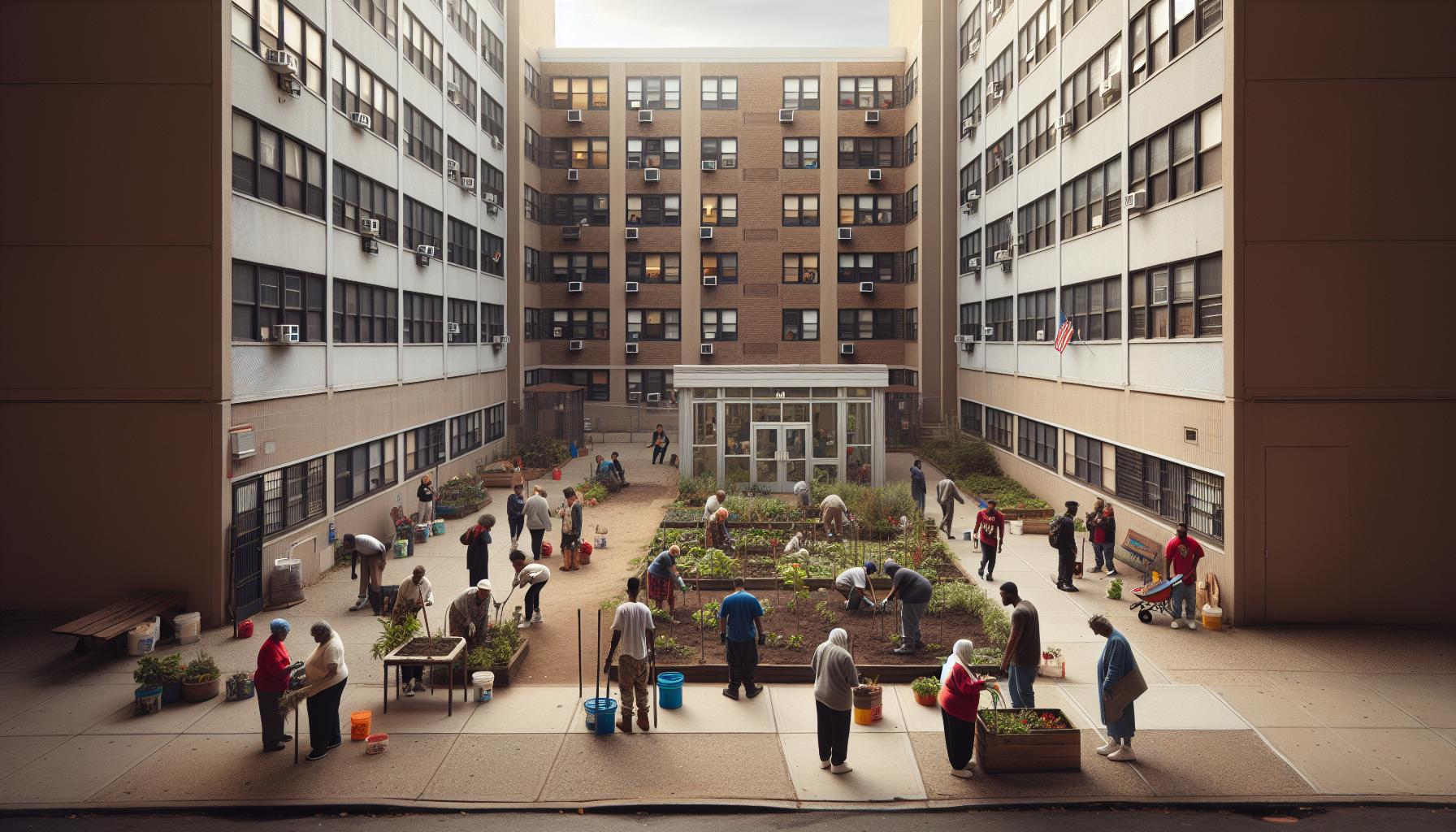
Overview of Housing Programs in NYC
In a city as vibrant and diverse as New York, the search for affordable housing can often feel overwhelming. Fortunately, NYC offers a variety of housing programs designed to assist residents in navigating the challenges of securing affordable living arrangements. These programs cater to different income levels and living situations, providing essential support for individuals and families alike. From rental assistance to public housing developments, understanding these resources is the first step toward finding a suitable home.
Many New Yorkers consider programs like Section 8, officially known as the Housing Choice Voucher Program, which allows low-income individuals and families to afford safe and decent housing in the private market. Participants pay a portion of their income towards rent, while the program covers the remainder, enabling them to access a wider range of housing options. Additionally, the city’s Mitchell-Lama program, which was active from the mid-1950s to the mid-1970s, provided affordable rental and cooperative apartments, and while it is no longer running, its legacy continues to influence current initiatives.
Another key component of New York City’s housing strategy is the New York City Housing Authority (NYCHA), which manages public housing developments across the city. NYCHA offers affordable housing for low and moderate-income families, utilizing federal, state, and local funding to ensure residents have access to quality living conditions. To access these programs, individuals often must meet specific eligibility criteria, which can include income limits and household size, making it crucial to gather the necessary documentation before applying.
Moreover, various rental assistance programs, such as the LINC and CITYFEPS, specifically target families and individuals facing homelessness, helping them secure permanent housing. Understanding the application processes for these programs can significantly reduce barriers to entry, providing a pathway to stability for those in need. By familiarizing themselves with available resources and their requirements, residents can move closer to finding affordable housing solutions tailored to their unique situations.
Types of Affordable Housing Options Available
In a city where the cost of living continues to soar, a variety of affordable housing options exists to help residents find stable and secure homes. The landscape of housing options in New York City is diverse, catering to a wide range of needs and incomes. Understanding these choices is essential for those navigating the complexities of the housing market.
Public Housing
One of the most significant resources is public housing, managed by the New York City Housing Authority (NYCHA). This program provides affordable housing to low- and moderate-income families. NYCHA operates hundreds of developments throughout the city, offering apartments at a reduced rent based on the household’s income. To qualify, applicants must meet specific income thresholds, usually not exceeding 80% of the Area Median Income (AMI). NYCHA emphasizes accessibility, ensuring that many units are tailored for individuals with disabilities.
Subsidized Housing
Subsidized housing programs, including the Federal Housing Choice Voucher Program, commonly known as Section 8, enable eligible families to secure housing in the private market. Participants pay around 30% of their income towards rent, while the voucher covers the difference between this amount and the actual rent. This facet of the program allows participants greater flexibility in selecting their homes while ensuring they can afford their monthly housing costs.
Tax Credit Programs
Tax credit programs also play a crucial role in the housing landscape. The Low-Income Housing Tax Credit (LIHTC) incentivizes developers to create affordable rental housing. This program allows developers to receive tax credits in exchange for committing to rent a certain percentage of units at affordable rates. As a result, it has significantly increased the availability of affordable apartments throughout the city.
Supportive Housing
Supportive housing options are designed for individuals with special needs, including those who are homeless or facing mental health challenges. These programs provide not only housing but also essential services aimed at helping residents maintain stability while thriving in their communities.
Each of these housing options serves a unique segment of the population, addressing varying challenges faced by New Yorkers. Whether through public housing, vouchers, tax credits, or specialized programs, the city’s commitment to affordable housing underscores its efforts to create inclusive communities where all residents can thrive. Understanding these options can empower individuals and families to make informed decisions about their housing needs.
Understanding Section 8: Benefits and Eligibility
For many New Yorkers struggling to find affordable housing, Section 8 can be a lifeline. Officially known as the Housing Choice Voucher Program, Section 8 is designed to assist low-income households in accessing safe and stable rentals in the private market. By providing financial support to tenants, this program helps alleviate the burden of rent, allowing households to focus on other essential needs, such as food, health care, and education.
To qualify for Section 8, applicants must meet specific income guidelines, which typically should not exceed 50% of the Area Median Income (AMI) for their household size. This means that eligibility can vary significantly based on where you live within NYC, making it crucial to check the latest income limits. For instance, a family of four in most parts of the city needs to earn less than approximately $58,000 per year to qualify. Once eligible applicants are determined, they can apply through the New York City Housing Authority (NYCHA) or the local public housing agency (PHA). Applicants should be prepared for a waiting period, as demand for vouchers often exceeds the available supply.
Participating in the program means that you will generally pay about 30% of your adjusted monthly income towards rent. The Section 8 voucher then covers the difference between your contribution and the rent the landlord charges, ensuring that you can afford a safer living environment. This flexibility allows participants to choose from a range of housing options, not limited to public housing developments. It also benefits landlords, who receive guaranteed rent payments, making it a win-win situation in the housing market.
Overall, Section 8 is not just about financial assistance; it’s a pathway towards greater stability for families and individuals struggling with housing insecurity. If you think you might be eligible, it’s vital to act quickly and reach out to local housing authorities for guidance on the application process and to learn more about your options.
Exploring NYC’s Public Housing Developments
Exploring the various public housing developments in New York City reveals a fundamental aspect of the city’s commitment to providing affordable housing options for low-income families. Public housing is not just about shelter; it’s a community-oriented approach that aims to foster stability and enhance living conditions for its residents.
NYC’s public housing developments are overseen by the New York City Housing Authority (NYCHA), which manages thousands of units across the five boroughs. These developments are designed to provide safe, affordable housing for those who qualify based on income limits, family size, and other eligibility criteria. Public housing residents typically contribute a percentage of their income (generally about 30%) toward their rent, with the remaining cost subsidized by NYCHA. This system allows families to afford decent housing while freeing up financial resources for other essential needs, such as food and healthcare.
In addition to traditional public housing units, NYCHA also offers various programs and initiatives aimed at improving the quality of life for residents. These include community centers, job training programs, and supportive services tailored to young people and seniors. For instance, many developments feature playgrounds and recreational areas, promoting community engagement among families and helping to create a supportive neighborhood atmosphere.
To explore housing options within NYC’s public housing developments, interested applicants should start by completing an application through NYCHA. Potential residents will need to meet specific eligibility criteria, which typically include income limits that correspond to the area median income (AMI) levels. For this year, a family of four generally must earn less than approximately $58,000 to qualify for these programs. It’s essential to stay updated on application deadlines and availability, as demand for these units often exceeds supply.
Applying for public housing can be a crucial step in achieving housing stability. For those interested, be prepared to provide documentation of income, family size, and residency, as this information helps to expedite the application process and increase chances of acceptance. While navigating public housing can be complex, the support it provides can change lives, highlighting NYC’s ongoing efforts to address housing insecurity and promote equity in urban living.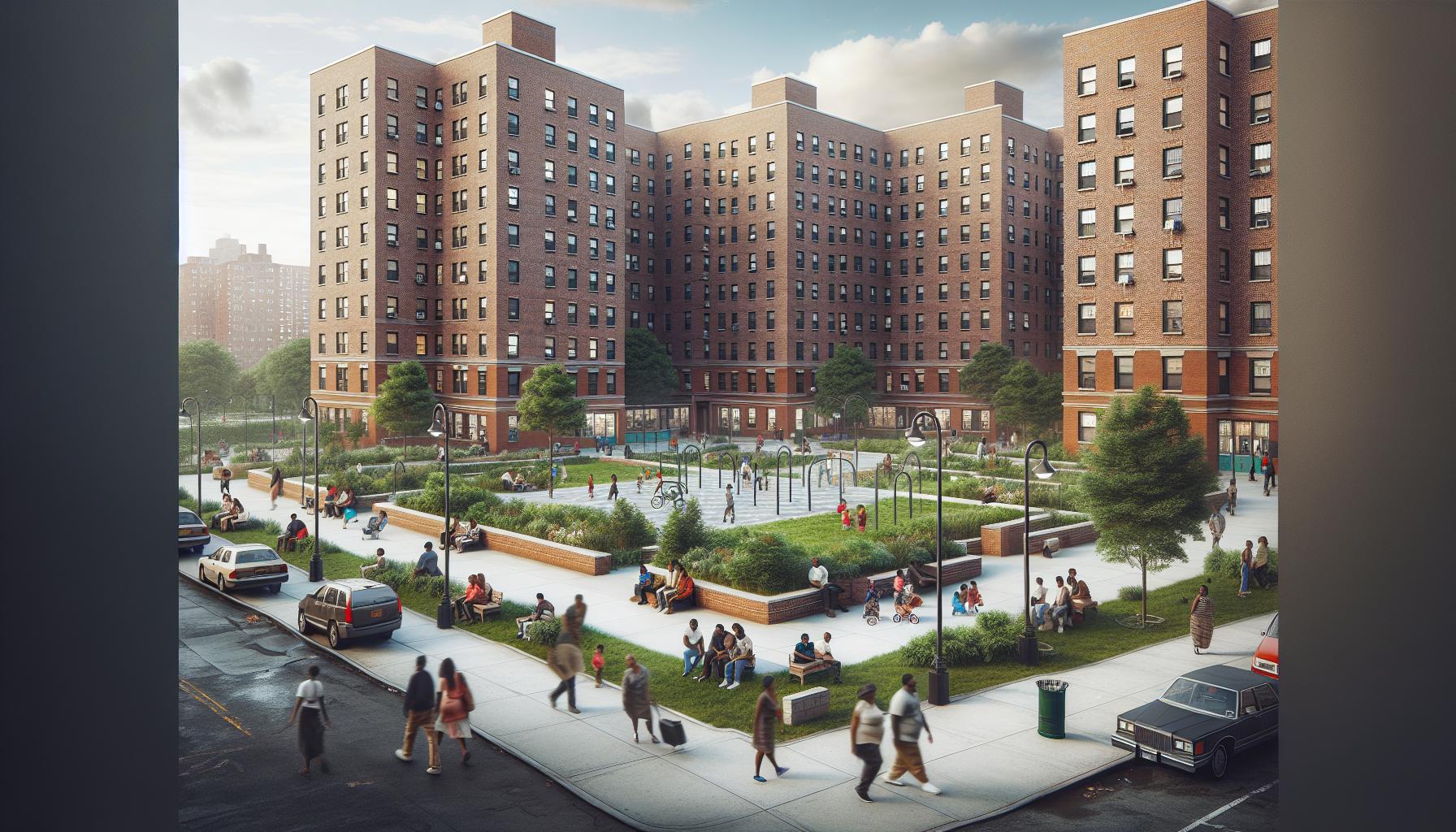
How to Access Rental Assistance Programs
Accessing rental assistance programs can be a lifeline for individuals and families struggling to afford housing in New York City. With various options available, understanding how to navigate these resources can empower you to secure stable living conditions. Programs like the LINC Rental Assistance Program and CITYFEPS are designed to help families transition from shelters to permanent housing, while the Special Exit and Prevention Supplement (SEPS) assists single adults and families at risk of shelter entry. Each program has specific eligibility criteria, but they collectively aim to mitigate the challenges of housing insecurity.
To begin the process of accessing rental assistance, start by gathering essential documentation such as proof of income, identification, and any relevant housing situation details. Here’s a straightforward guideline to help you through these steps:
Steps to Access Rental Assistance Programs
- Research Available Programs: Check the New York City Human Resources Administration (HRA) website and other local resources to identify which rental assistance programs you may qualify for.
- Check Eligibility: Review the eligibility requirements for each program. For instance, LINC is aimed at individuals and families currently in shelters or at risk of homelessness. Other programs may have income thresholds based on the area median income (AMI).
- Gather Documentation: Collect necessary documents, which usually include verification of income, identity, and current housing status, for your application. This can include pay stubs, tax returns, and eviction notices if applicable.
- Submit an Application: Applications can often be submitted online or in person. Ensure you follow the specific instructions provided for the program you are applying to, and keep copies of everything you submit.
- Follow Up: After submission, follow up to confirm receipt of your application and inquire about the timeline for a decision.
Feel free to engage with local organizations that provide housing counseling services, as they can offer guidance tailored to your unique situation. Remember, while the journey to securing rental assistance may seem daunting, you are not alone. Seeking help is a crucial step toward achieving housing stability, and there are many dedicated resources in NYC ready to support you through this process.
Key Tax Credit Programs for Homebuyers
Navigating the world of homeownership can be daunting, especially in a city as dynamic as New York. Fortunately, key tax credit programs can provide significant financial relief for homebuyers, making the dream of owning a home more accessible. Programs such as the Federal Housing Tax Credit (often called the Low-Income Housing Tax Credit or LIHTC) and the New York State Enacted Tax Credit Incentives are designed to support first-time buyers and those looking for affordable housing options.
The LIHTC is a federal program that encourages the production of rental housing for low-income families by providing tax credits to developers. This reduces construction costs, enabling affordable rents for tenants. However, it’s not just for renters. Homebuyers can benefit indirectly, as increased affordable rental options help stabilize the housing market, eventually making homeownership more achievable for lower- and middle-income families.
In New York State, the State Earned Income Tax Credit and the NYC Enhanced Real Estate Tax Credit are additional programs that can assist homebuyers. The State Earned Income Tax Credit often boosts take-home pay for working families, freeing up funds that can be used towards a down payment or mortgage. Similarly, the Enhanced Real Estate Tax Credit allows eligible homeowners to receive credits based on their property taxes for improvements or renovations on their homes, aiding financial stability in ownership.
To take advantage of these tax credits, it’s essential to assess eligibility criteria. Generally, these programs assess factors such as income level, home location, and sometimes family size. Utilizing an income calculator can help determine whether you meet the necessary thresholds to qualify for these credits. Additionally, resources are available through the New York City Department of Housing Preservation and Development (HPD) and local housing organizations to help navigate the application process.
In summary, tax credit programs represent a vital resource for homebuyers in NYC, providing the financial support needed to achieve homeownership. By understanding these options and how they apply to your circumstances, you can pave the way to a stable and fulfilling living situation. Remember to consult with a housing counselor or financial advisor to explore all available opportunities tailored to your unique needs.
Supportive Housing for Individuals with Special Needs
Supportive housing in New York City offers vital resources for individuals with special needs, creating pathways to stable and safe living environments. This housing is designed not only to provide shelter but also to offer supportive services that help individuals achieve greater independence and improve their quality of life. With a focus on the unique challenges faced by this population, programs aim to ensure that housing is accessible, affordable, and accommodating to varying needs.
One prominent program is the HUD-Veterans Administration Supportive Housing (VASH) initiative, which provides eligible low-income veterans with housing vouchers paired with comprehensive case management and supportive services through the Department of Veterans Affairs (VA). This dual approach helps veterans find and maintain permanent housing while receiving the care and assistance they need to thrive. Additionally, the New York State Supportive Housing Program focuses on providing affordable housing to those affected by mental health challenges and substance use disorders, helping residents transition from homelessness to stable living.
The application process for supportive housing typically involves a few key steps:
- Check Eligibility: Most programs require applicants to meet specific criteria, such as income limits and a demonstrated need for additional support services.
- Gather Documentation: Prepare documents that may include proof of income, identification, and any relevant medical or psychological evaluations if applicable.
- Apply Through Local Agencies: Many supportive housing programs are administered by local nonprofits or government agencies. It’s crucial to connect with these organizations to obtain an application and get guidance through the process.
- Participate in an Assessment: Applicants may be required to undergo an assessment to determine their specific needs and how best to address them through the supportive housing framework.
For those seeking further guidance, numerous resources are available, including local housing counselors and organizations specializing in supportive housing. These experts can assist with navigating the various programs, understanding eligibility requirements, and completing the necessary paperwork.
Ultimately, supportive housing is a significant part of New York City’s efforts to assist individuals with special needs, ensuring they not only have a place to live but also the support they need to thrive in their community.
Navigating Emergency Housing Resources in NYC
In a city as dynamic as New York, the reality of housing insecurity can feel overwhelming, especially for those in immediate need of shelter. Fortunately, NYC offers a variety of emergency housing resources designed to provide urgent support and stability for individuals and families facing crises. Understanding how to navigate these resources can make a significant difference during challenging times.
Emergency housing options include shelters, transitional housing programs, and single-room occupancy (SRO) settings. Shelters, which can be accessed through the NYC Department of Homeless Services (DHS), provide temporary accommodation and are often the first stop for individuals experiencing homelessness. Many shelters have eligibility requirements, such as residency or income limitations, but they aim to offer immediate relief and connect individuals to supportive services.
Steps to Access Emergency Housing
To find and access emergency housing resources effectively, consider the following steps:
- Contact the Homeless Services Hotline: This 24/7 hotline (1-800-621-2122) can provide immediate assistance and direct you to available shelters.
- Visit a Community-Based Organization: Many local organizations provide support and can help with emergency housing applications. Examples include the Coalition for the Homeless and the Bowery Mission.
- Prepare Necessary Documentation: While not always required for immediate intake, having identification, proof of income, and any relevant documentation can expedite the process once you’re in a shelter.
Once in a shelter, there are programs available to help transition individuals and families into more stable living situations. Case managers often work with residents to address underlying issues that may have contributed to homelessness, such as access to healthcare, employment assistance, and longer-term housing solutions.
Understanding Eligibility
Eligibility for emergency housing varies by program, but generally, applicants must demonstrate a need for shelter due to homelessness or risk of losing their current housing. Knowing specific criteria and connecting with the right local resources can help streamline the path to finding a safe place to stay.
Emergency housing resources in NYC are crucial lifelines for those facing immediate challenges. By taking proactive steps and utilizing available programs, individuals can start to regain stability and work towards a more secure housing situation. Whether through dedicated shelters or community organizations, there’s support available to help navigate housing crises with compassion and urgency.
First-Time Homebuyer Programs and Resources
Navigating the journey to homeownership in New York City can seem daunting, yet there are numerous programs specifically designed to assist first-time homebuyers. With the cost of living in NYC being notoriously high, understanding what resources are available can empower potential homeowners to take significant steps toward achieving their dream of owning a home.
For first-time buyers, several programs offer financial assistance, incentives, and guidance throughout the purchasing process. One prominent option is the HomeFirst Down Payment Assistance Program, which provides up to $40,000 in forgivable loans for down payments and closing costs. This program is designed for individuals or families earning less than 80% of the area median income (AMI). In 2023, for instance, this income threshold for a family of four is approximately $86,000.
Another valuable resource is the NYC Housing Development Corporation’s (HDC) Homebuyer Programs, which include various low-interest mortgage products, helping to make homebuying more accessible. Additionally, utilizing Federal Housing Administration (FHA) loans can benefit buyers with lower down payments (as little as 3.5%) and more lenient credit requirements.
Steps for First-Time Homebuyers
To make the most of these programs, consider following these steps:
- Assess Your Financial Situation: Review your credit score and determine your budget. Tools like mortgage calculators can help estimate monthly payments.
- Research Programs: Look into the specific requirements of the HomeFirst and HDC programs, along with other local offers.
- Get Pre-Approved: Securing a pre-approval from a lender can provide a clear picture of your borrowing capacity and strengthen your position when making an offer.
- Engage Local Nonprofit Organizations: Organizations such as the Neighborhood Housing Services of NYC offer counseling services that guide you through the complexities of buying a home, including budgeting and navigating the purchase process.
Understanding various programs and resources can significantly ease the transition into homeownership. It’s essential to stay informed about eligibility requirements, deadlines, and how to apply for assistance. With the right preparation and support, first-time homebuyers in New York City can turn their homeownership dreams into reality, thereby enhancing their financial stability and community ties.
Housing Stability and Legal Assistance Services
The journey toward housing stability in New York City can be challenging, especially for those facing eviction or financial hardship. Fortunately, various legal assistance services are available to help individuals and families navigate these issues, ensuring that their rights are protected and that they have access to crucial resources. For instance, the Legal Aid Society and the New York County Defender Services offer free or low-cost legal representation to those eligible, focusing on preventing eviction and securing safe housing. These organizations tackle tenant harassment, uninhabitable living conditions, and wrongful evictions, aiming to keep families in their homes while advocating for their rights.
Another vital resource is the NYC Housing Court, where tenants can seek assistance in resolving disputes with landlords. The court offers an array of support services, including free legal advice and mediation options to facilitate communication between tenants and landlords. Moreover, reaching out to local community organizations, such as the Coalition for the Homeless or Mobilization for Justice, can provide additional support mechanisms. These organizations not only offer legal help but also assist with applying for programs like the Emergency Rental Assistance Program (ERAP), which aids tenants facing financial struggles.
Understanding how to access these services involves several key steps. First, individuals should gather relevant documents, including lease agreements and notices from landlords. Next, contacting a local legal aid organization can provide immediate guidance tailored to specific situations. Additionally, attending community workshops or forums about tenant rights can empower tenants with knowledge about their legal standing and available resources. By utilizing these services, New Yorkers can approach their housing challenges with confidence, knowing they have support to help them secure and maintain stable homes.
Overall, legal assistance services play a crucial role in ensuring that residents can navigate the complexities of housing issues, ultimately fostering a more equitable housing system in the city.
Local Organizations Offering Housing Counseling
Navigating the complicated landscape of housing can be overwhelming, but local organizations dedicated to housing counseling provide essential support to New Yorkers seeking safe and affordable homes. These organizations offer invaluable resources such as financial guidance, assistance with applications for housing programs, and personalized advice to help individuals and families understand their rights and options.
Key Local Organizations
Several local agencies throughout NYC specialize in housing counseling and assistance. Here are some notable ones:
- The NYC Department of Housing Preservation and Development (HPD): Offers free resources and programs, including the HomeFirst Down Payment Assistance Program for first-time homebuyers to receive financial assistance up to $100,000 for down payments or closing costs [[1]].
- Community Development Corporation (CDC): Provides a range of services to low- and moderate-income families, including budgeting workshops and homebuyer education.
- Urban Homesteading Assistance Board (UHAB): Specializes in helping tenants transition to cooperative ownership, offering guidance in the home-buying process.
- Neighborhood Housing Services (NHS): Offers counseling on foreclosure prevention, financial literacy, and assistance in securing affordable housing.
- Coalition for the Homeless: While primarily focused on homelessness prevention, they also provide critical resources for securing stable housing.
These organizations can assist in a variety of ways, such as providing counseling on the application process for programs like Section 8, understanding eligibility criteria for tax credit programs, and ensuring individuals are aware of their tenant rights.
How to Access Services
To effectively utilize the resources these organizations offer, individuals should follow these steps:
- Research Programs: Begin by identifying which programs you might be eligible for, such as the HomeFirst program or Section 8, which provides rental assistance to low-income families.
- Gather Required Documents: Collect necessary paperwork, including proof of income, identification, and housing history.
- Contact Local Organizations: Reach out to a local housing counseling organization via phone or their website to schedule a consultation.
- Attend Workshops or Meetings: Engaging in community events or workshops can provide additional information and networking opportunities.
- Follow Up: Stay in contact with your counselor or organization to ensure you are on track with applications and deadlines.
By seeking help from knowledgeable housing counselors, individuals can gain clarity and confidence in navigating New York City’s housing programs, leading to informed decisions that support their journey toward stable housing.
Detailed Steps to Apply for Housing Assistance
Navigating the application process for housing assistance can feel daunting, yet knowing the right steps can empower you to secure the support you need. Whether you’re seeking rental assistance through the Section 8 program or exploring various housing options in NYC, understanding how to apply effectively is crucial. The first step is to familiarize yourself with the programs available, such as CityFHEPS or LINC, each designed to assist different groups based on specific needs and circumstances.
Start by determining which program suits your situation best. Research Programs relevant to your needs by reviewing online resources or consulting local housing organizations. Each program has distinct qualifications; for instance, the Section 8 program provides rental vouchers to low-income families, while the CityFHEPS program focuses on helping individuals and families transition from shelters to permanent housing. Knowing the specifics of each program will help streamline your application process.
Once you’ve identified the appropriate program, Gather Required Documents. These typically include proof of identity, income statements, and any documentation related to your housing history. Some programs may also require details about your family composition or any special needs that apply. Ensuring all documents are prepared will save time and reduce the likelihood of delays.
Next, Contact Local Organizations to get personalized guidance. Reach out to housing counseling agencies, which can help clarify application procedures and provide additional resources. Many of these organizations host workshops or one-on-one sessions where you can ask questions and receive assistance specific to your situation. Don’t hesitate to utilize these resources for support.
In addition, attending Workshops or Meetings offered by local housing services can be invaluable. These events often provide insights into successful application strategies, common pitfalls to avoid, and updates on program changes that may affect your eligibility. Engaging with a community of individuals who share similar challenges may also offer encouragement and hope.
Lastly, remember to Follow Up with your counselor or the housing office to ensure your application is progressing. Keep track of any deadlines and requirements, and don’t hesitate to ask for clarification if needed. By being proactive and organized, you can enhance your chances of successfully accessing housing assistance and finding a stable place to call home.
With diligent preparation and the right resources, navigating housing assistance in NYC can become a more manageable and hopeful process, providing you with a step towards securing a stable living situation.
Frequently asked questions
Q: What types of affordable housing programs are available in NYC?
A: New York City offers various affordable housing programs, including Mitchell-Lama, rent stabilization, and Section 8. These programs aim to provide affordable rent and homeownership opportunities for low to middle-income residents. For a full list, visit NYC Housing Connect or local housing resources.
Q: How do I apply for affordable housing in NYC?
A: To apply for affordable housing in NYC, use NYC Housing Connect to browse open lotteries and submit applications. Make sure to check eligibility requirements and prepare necessary documentation. Detailed steps can also be found on NYC’s official housing websites.
Q: What is Section 8 housing and how do I qualify?
A: Section 8 housing is a federal program that provides rental assistance to low-income households. To qualify, applicants must meet income eligibility criteria and go through an application process with the local Public Housing Authority. Check specific guidelines in your borough.
Q: Are there programs for first-time homebuyers in NYC?
A: Yes, NYC offers several programs for first-time homebuyers, including HomeFirst Down Payment Assistance and Affordable Homeownership Opportunities. These programs can provide financial aid and resources to help with purchasing a home. Details can be found through NYC housing services.
Q: What support is available for individuals with special needs in NYC housing?
A: There are supportive housing programs designed specifically for individuals with special needs in NYC. These options include low-income housing and specialized services to ensure accessibility and ongoing support, often coordinated through non-profit organizations.
Q: How can I find emergency housing resources in NYC?
A: Emergency housing resources in NYC can be accessed through the city’s Department of Homeless Services and local shelters. It’s crucial to contact them directly or visit their websites for immediate assistance and information on available services.
Q: What tax credit programs are available for NYC homebuyers?
A: NYC offers various tax credit programs for homebuyers, including the 485-a tax exemption and the Energy Efficient Homes Program. These initiatives can reduce property taxes and encourage energy-efficient renovations. Check NYC’s housing resources for eligibility requirements and application processes.
Q: Where can I find housing counseling services in NYC?
A: Housing counseling services in NYC are available through many local organizations, such as the Metropolitan Council on Housing and NYC Housing Connect. These services offer guidance on navigating housing options, applying for programs, and understanding tenant rights.
The Way Forward
As you explore the varied housing programs available in NYC, remember that resources like Section 8 vouchers and tax credit programs can be vital in securing stable housing. Don’t hesitate to take the next step-check your eligibility for these programs and apply today. If you’re unsure where to begin, our guides on affordable housing resources and eviction prevention strategies can provide further clarity.
Your journey towards stable housing is important, and there are community partners ready to assist you throughout this process. For assistance tailored to your needs, consider reaching out to local organizations focused on tenant support in NYC. Join our newsletter for the latest updates on housing opportunities and expert insights to empower your decisions. Share your thoughts in the comments below-every voice matters in our community! Together, we can navigate these challenges and find hope in the housing landscape.