Navigating the world of housing assistance can feel overwhelming, especially when terms like “Section 8” and “low-income housing” are often used interchangeably. While both aim to provide affordable living options, they represent different facets of support for those in need. Understanding these distinctions is crucial for families and individuals seeking stable, safe housing solutions. By demystifying Section 8 and low-income housing, we can empower you to make informed decisions that align with your unique situation. Dive deeper with us as we explore the key differences, eligibility requirements, and benefits of each, ultimately helping you find the best path forward for your housing journey.
Understanding Section 8 Housing Assistance
can be vital for those navigating their housing options. This federal program, officially known as the Housing Choice Voucher Program, is designed to help low-income households afford decent and safe housing in the private market. Participants in the program receive subsidies that significantly reduce their monthly rent obligations, allowing them to allocate more of their limited income towards other essential expenses.
One of the key differences between Section 8 and other low-income housing options is that Section 8 allows recipients to choose where they live, provided the housing meets program standards. This flexibility contrasts with traditional low-income housing, which often involves living in designated complexes or units. However, both avenues aim to alleviate housing instability and promote affordable living arrangements. Eligibility for Section 8 typically hinges on household income, which must not exceed certain limits, generally set at 30% to 50% of the area’s median income, and additional criteria such as family size and citizenship status.
Applying for Section 8 assistance involves several steps, starting with contacting local housing authorities to find out about openings and waiting lists. Potential applicants must fill out an application form, provide necessary documentation, and, upon acceptance, find suitable housing that meets program requirements. Many housing authorities also provide workshops or resources to assist applicants through this process, ensuring individuals and families are well-informed and supported as they navigate the complexities of affordable housing options.
In conclusion, Section 8 Housing Assistance serves as a crucial resource for achieving housing stability among low-income populations. Understanding its framework and how it differs from other low-income housing options empowers individuals and families to make informed decisions that can enhance their quality of life.
What is Low Income Housing?
Low income housing plays a pivotal role in providing safe and affordable living options for families and individuals facing financial hardships. This type of housing encompasses various programs and units designed to assist those whose income is significantly below the median income in their community. By making housing more accessible, these initiatives aim to reduce economic disparities and prevent homelessness.
One of the most recognizable forms of low income housing is public housing, which is government-owned and managed. Families can qualify for these units based on their income, household size, and specific eligibility requirements, such as citizenship status. Another key aspect of low income housing is affordable housing projects, often funded through programs that provide tax credits to developers in exchange for creating lower-cost rental units. These programs can vary significantly by region, but their goal remains the same: to ensure that everyone has a place to live that does not consume a disproportionate amount of their income.
Overall, accessing low income housing can dramatically alter lives. Many programs facilitate not only affordable rents but also supportive services that aid families in stabilizing their living situations. This can include job training, educational opportunities, and connections to community resources-all designed to foster self-sufficiency and empower individuals. The essence of low income housing is not just about affordability; it encompasses a holistic approach to ensuring that individuals and families can thrive, contributing to their communities while reducing the risk of housing insecurity.
Understanding these types of housing options is crucial for individuals facing challenges in their housing search. By knowing what low income housing entails and the available resources, potential applicants can make informed decisions about their living situations and navigate the often complicated processes involved.
Key Differences Between Section 8 and Low Income Housing
While many people use the terms “Section 8” and “low income housing” interchangeably, these two concepts refer to distinct forms of housing assistance. Understanding the differences can be crucial for those navigating housing options.
Section 8, officially known as the Housing Choice Voucher Program, is a federal initiative designed to help low-income families afford housing in the private market. Participants receive vouchers that subsidize their rent, allowing them to choose their own housing-typically apartments or houses-within specified limits. The program assesses eligibility based on income, household size, and a few other criteria, often requiring that applicants earn no more than 50% of the area median income. This flexibility allows families to reside in neighborhoods that suit their needs, not just in designated low-income housing.
In contrast, low income housing encompasses a broader category, including both public housing and various affordable housing projects. Public housing refers to government-funded developments specifically reserved for those meeting certain low income thresholds, while affordable housing can also include privately-managed buildings that accept low-income tenants, often incentivized through tax credits. The income limits for these programs can vary widely by location and type but generally aim to serve households earning below 80% of the area median income.
Comparison of Key Features
| Feature | Section 8 | Low Income Housing |
|---|---|---|
| Type | Housing Choice Voucher | Includes public housing and affordable housing projects |
| Flexibility | High-tenants choose housing | Varies-specific buildings or units |
| Income Limits | Usually 50% of area median income | Can vary; typically up to 80% of area median income |
| Management | Private landlords with government funding | Publicly or privately managed projects |
By understanding these differences, individuals and families can better identify which program may provide the support they need based on their specific circumstances. Whether opting for Section 8 vouchers or pursuing units in public or affordable housing, the goal remains the same: to secure safe and stable living arrangements that foster long-term well-being and community connection.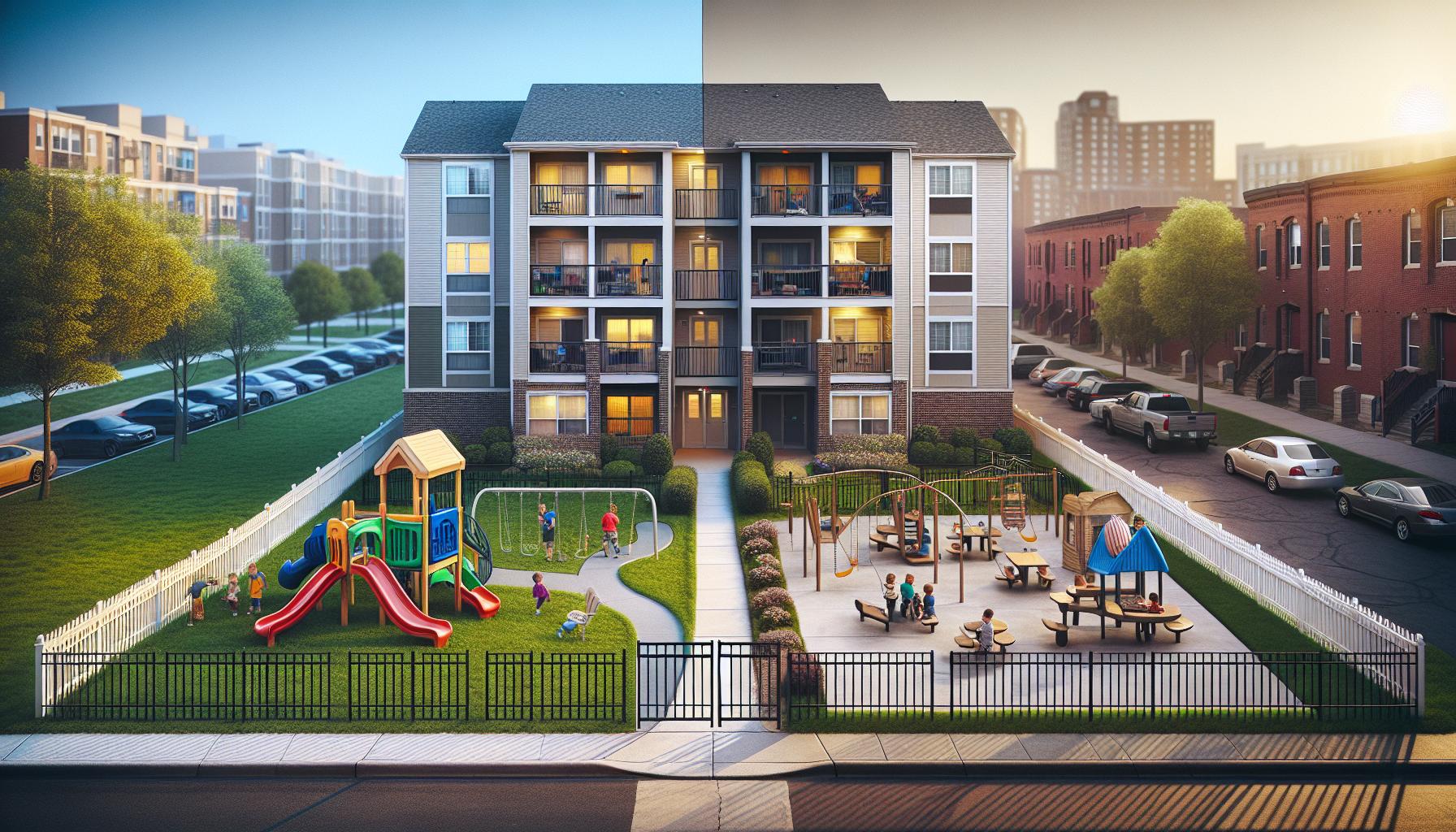
Eligibility Requirements for Section 8 Housing
To qualify for Section 8 housing assistance, applicants must meet specific eligibility criteria designed to ensure that support goes to those most in need. Accessing this vital program can make a significant difference in affording housing, and understanding the requirements is the first step in the process.
The primary eligibility requirements for the Housing Choice Voucher Program include income limits, household size, and citizenship status. Typically, to qualify, households must earn no more than 50% of the area median income (AMI). These income limits vary based on location and are often updated annually to reflect changes in the local economy. Families can find local income categories through government websites or their local public housing authority.
In addition to income guidelines, factors such as household composition play a crucial role in determining eligibility. For instance, larger families may have higher income limits reflecting their needs. Furthermore, applicants must generally be U.S. citizens or have eligible immigration status. It’s also important to consider other factors like criminal history, as some criminal convictions may disqualify applicants from receiving assistance.
Applying for Section 8 housing can be accomplished through a straightforward process. Interested individuals should contact their local public housing authority, either through an online application system or in person. It’s advisable to gather necessary documentation-such as proof of income, family size, and identification-to present during the application process.
Understanding the requirements and preparing accordingly can streamline the experience, enhancing the likelihood of securing a housing voucher. For many, receiving assistance through the Section 8 program not only alleviates financial burdens but also opens doors to better living conditions and stability within their community.
Eligibility Criteria for Low Income Housing
To qualify for low income housing, applicants must navigate a web of criteria designed to ensure that assistance reaches those who need it most. This can be a source of confusion and frustration, particularly for those already facing the challenges of housing insecurity. Understanding the essential eligibility criteria is critical in making an informed application.
Typically, low income housing programs are determined by income limits that reflect the area’s median income, which can vary significantly by location. For example, many programs require that a household’s income does not exceed 80% of the Area Median Income (AMI) to qualify as low income. Households that fall below 50% of the AMI may be classified as Very Low Income, which can broaden eligibility for specific programs, including public assistance benefits. Moreover, some housing options may prioritize funds for families or individuals in categories such as extremely low income, which is often defined as income below 30% of the AMI.
In addition to income, applicants need to consider factors such as household composition, citizenship status, and sometimes even rental history. For instance, larger families might qualify for higher income thresholds to accommodate their size, while applicants must generally prove they are U.S. citizens or have eligible immigration status. Documentation is key during the application process. Prospective residents should prepare detailed records, including pay stubs, tax documents, and identification, which demonstrate both their financial situation and family size.
Accessing low income housing can feel daunting, but many resources are available. Local housing authorities often provide detailed checklists and calculators to help navigate income limits and eligibility requirements. By seeking out this information and being proactive, applicants can better position themselves for acceptance into low income housing programs, ultimately paving the way for greater housing stability.
Benefits of Section 8 Housing Assistance
Section 8 housing assistance offers a lifeline to many families, providing critical support in the pursuit of affordable and stable housing. This federal program, officially known as the Housing Choice Voucher program, allows low-income individuals and families to find housing in the private market while subsidizing their rent. The financial relief offered through Section 8 can significantly reduce the burden of housing costs, making it possible for families to allocate more funds towards necessities such as food, healthcare, and education.
One of the primary benefits of Section 8 assistance is its flexibility. Unlike traditional public housing, where residents are restricted to government-owned units, Section 8 vouchers can be used to rent privately owned homes or apartments. This increased choice empowers families to select housing that best meets their needs, whether it’s a specific neighborhood, the size of the dwelling, or access to schools and jobs. It enables families to thrive in communities that may have otherwise been inaccessible due to high rental prices.
Moreover, Section 8 vouchers can significantly enhance housing stability. Participants often report improved mental and physical health due to reduced stress associated with financial strain. Stability in housing can also foster better educational outcomes for children, as consistent living arrangements are linked to better school attendance and performance. The program provides not only immediate financial aid but also long-term societal benefits by promoting consistent living situations that enable families to build community ties.
Applying for Section 8 assistance involves several steps, including an income assessment and a waitlist process that varies by location. It is crucial for applicants to prepare necessary documentation, such as income statements and proof of residency, to streamline their application. Local housing authorities provide resources and support to guide individuals through this process, ensuring that eligible families can access the benefits designed to aid them in achieving housing security.
In summary, Section 8 housing assistance is not just a financial tool; it is a comprehensive support system that fosters autonomy, stability, and community engagement for low-income families. By enabling individuals to secure affordable housing in the private market, the program plays a pivotal role in combating housing insecurity and promoting economic independence.
Advantages of Low Income Housing Programs
Many families facing economic challenges discover that low-income housing programs offer vital support in achieving housing stability and overall well-being. These programs, including Section 8, provide avenues not just for shelter but for a better quality of life through access to essential resources and communities. Low-income housing initiatives can lead to healthier living environments, improved educational outcomes, and enhanced economic opportunities for residents.
One of the main advantages of low-income housing programs is the emphasis on community building. Programs like Section 8 enable families to rent homes in diverse neighborhoods, allowing them to be part of thriving communities rather than isolated developments. This integration encourages social connections and networking, which can lead to job opportunities and shared resources. Moreover, living in stable situations fosters a sense of belonging and security, contributing to better mental health and well-being.
Another key benefit is the focus on affordability. Many low-income housing programs include provisions to ensure that rent does not exceed a certain percentage of the tenant’s income. This structure alleviates the burden of housing costs, allowing families to allocate more funds toward essentials such as food, healthcare, and education. For instance, through the Housing Choice Voucher program, families typically pay only 30% of their income toward rent, which provides breathing room in their monthly budgets.
Additionally, low-income housing initiatives often connect residents with supportive services. Many housing authorities collaborate with community organizations to offer resources such as job training, financial literacy programs, and access to childcare. These services empower residents to improve their economic situation, ultimately leading to greater self-sufficiency and independence.
Overall, low-income housing programs like Section 8 stand out as essential tools in combating housing insecurity. They not only address immediate shelter needs but also lay the groundwork for long-term stability and growth. By participating in these programs, families can transform their circumstances and engage with their communities in meaningful ways.
Application Process for Section 8 Assistance
The journey to securing Section 8 housing assistance can feel overwhelming, but understanding the application process can empower families facing housing insecurity. Section 8, formally known as the Housing Choice Voucher Program, allows eligible low-income families to afford safe housing by subsidizing their rent. The first step in this process requires potential applicants to determine their eligibility based on income and family size compared to local area median income limits set by the U.S. Department of Housing and Urban Development (HUD).
Once eligibility is established, the application process typically involves the following steps:
Steps to Apply for Section 8 Assistance
- Locate Your Local Housing Authority: Begin by finding the housing authority in your area. This local agency administers the Section 8 program, and its website will provide specific details about application periods and requirements.
- Gather Required Documentation: Prepare to submit various documents that prove your eligibility. Commonly required materials include proof of income (like pay stubs or tax returns), identification for all family members, and any other requested documentation that validates your current living situation.
- Complete the Application: Fill out the application accurately. Many housing authorities now provide online applications, but some may require paper submissions. Pay careful attention to deadlines, as applications are often accepted during specific windows.
- Attend an Interview: After your application is received, you may be contacted for an interview with housing authority officials. This is an opportunity to discuss your application and provide any additional information requested.
- Wait for Approval: Once your application is submitted and the interview conducted, you will enter a waiting list if approved. Wait times can vary significantly based on demand and local availability of vouchers.
During this waiting period, it’s crucial to remain proactive. Contact your housing authority periodically to check on your status and ensure your application is still active. Understanding these steps not only demystifies the process but also creates a clearer path to obtaining much-needed rental assistance. With persistence and the right information, families can navigate the program and secure stable housing, providing a foundation for greater security and opportunity.
How to Apply for Low Income Housing
Navigating the world of low-income housing can feel daunting, but taking it step-by-step can make the process much more manageable. When you’re looking to secure a place that fits your budget, understanding how to apply for low-income housing programs can empower you and your family. Here’s a straightforward guide to help you through the application process.
The first step in applying for low-income housing is finding your local housing authority. Each city or county administers its own programs, and the requirements can vary. Start by visiting the website of your local housing authority, which will provide essential details about the types of housing assistance available, including the application procedures, required documentation, and the current status of open applications.
Once you’ve located your local agency, you need to gather the necessary documentation to prove your eligibility. This typically includes proof of income (like recent pay stubs or bank statements), identification for all household members, and any additional paperwork that verifies your current living situation. Be organized and thorough; having all documents ready will streamline the process.
After preparing your documents, it’s time to complete the application. Many housing authorities offer online submissions, which can be more convenient, but it’s also possible that you’ll need to fill out a paper application. Be meticulous in filling out your information and double-check for accuracy to avoid delays. Pay attention to deadlines, as applications may only be accepted during specific periods.
Upon submission, you might be called in for an interview. This is a chance to discuss your application and answer any questions the housing authority may have. Following the interview, your application will be reviewed, and if approved, you may be placed on a waiting list. Wait times can vary greatly based on local demand, so it’s important to stay proactive-checking in periodically can help ensure your application remains active and keep you informed of your status.
By understanding these steps and mindfully preparing, you empower yourself in the search for stable housing. With patience and perseverance, you can navigate the application process of low-income housing successfully, ultimately leading your family towards a more secure living situation.
Common Misconceptions About Section 8
Many people harbor misunderstandings about Section 8 housing assistance, primarily due to the stigma associated with low-income programs. One common myth is that Section 8 creates dependency on government aid. In reality, this program aims to provide a stepping stone toward economic stability. By subsidizing rent costs, Section 8 enables families to allocate their limited resources more effectively, thereby allowing them to save for the future or invest in education and job opportunities.
Another prevalent misconception is that all Section 8 recipients are unemployed or underemployed. In fact, many individuals who benefit from the program are working but still struggle to afford rent in high-cost areas. Section 8 housing assistance is designed to adapt to these realities, helping households at various income levels find stable housing without losing their dignity or sense of independence.
People often also believe that living in Section 8 housing means residing in substandard or undesirable locations. However, participants in the program have the flexibility to choose their housing within designated areas, which can include well-maintained neighborhoods. This not only promotes diversity in communities but also fosters a sense of belonging and security for families.
Lastly, a misunderstanding exists regarding eligibility; some believe that government assistance through programs like Section 8 is a lifelong entitlement. However, eligibility is tied to income limits set by the U.S. Department of Housing and Urban Development (HUD), which regularly reviews and updates these thresholds. This ensures that the assistance reaches those who need it most without creating a permanent reliance on state support.
In summary, dispelling these myths is crucial to fostering a more informed understanding of Section 8 housing assistance. By recognizing how the program operates, its intended benefits, and who it serves, communities can work towards dismantling the stigma surrounding low-income housing initiatives, creating a more compassionate approach to housing security.
Navigating Housing Insecurity: Resources and Support
Navigating housing insecurity can feel overwhelming, but various resources are available to provide support and guidance for those seeking assistance. Understanding the distinction between Section 8 and low-income housing programs is crucial for making informed decisions about your housing options. Section 8, a federal assistance program administered by local housing authorities, helps eligible families afford safe and decent housing by subsidizing their rent in the private market. In contrast, low-income housing programs often focus on providing housing in affordable apartment complexes built specifically for low-income tenants.
For individuals grappling with housing challenges, here are some practical steps and resources that can help:
Explore Local Housing Authorities
Research your local housing authority to learn about available programs. Each authority manages its own application processes and eligibility requirements. For example, the Glendale Housing Authority provides rental assistance subsidies through the Section 8 program, funded by the Department of Housing and Urban Development (HUD) [[1]](https://www.glendaleca.gov/government/departments/community-development/housing/housing-section-8-program). The Los Angeles County Development Authority (LACDA) also administers Section 8, offering vital resources for low-income families [[2]](https://www.lacda.org/section-8).
Utilize Community Resources
Many non-profit organizations and community groups offer assistance to low-income families. These organizations can provide food, financial counseling, and educational resources critical for navigating housing insecurity. Consider reaching out for help; resources such as the Los Angeles Homeless Services Authority (LAHSA) can guide you toward available services tailored to your needs [[2]](https://www.lacda.org/section-8).
Assess Eligibility and Apply
To apply for either Section 8 or low-income housing, you typically need to provide proof of income, family composition, and residency. Begin your application by checking the eligibility requirements of your local programs, which often have varying income limits based on family size. For instance, HUD sets income thresholds that determine eligibility for subsidized housing, and these limits are adjusted annually [[1]](https://www.glendaleca.gov/government/departments/community-development/housing/housing-section-8-program).
Stay Informed and Connected
Keeping informed about local housing events, such as workshops and information sessions, can also be beneficial. Many housing authorities host webinars or local meetings to explain housing resources, assist in application processes, and answer common inquiries about service availability. Additionally, joining local community groups on social media can help connect you with others facing similar challenges and provide shared resources and encouragement.
Through understanding your options and leveraging available support systems, you can effectively address housing insecurity and find a path toward stable housing. Remember, you are not alone, and numerous resources can assist you in navigating this complex landscape.
Comparing Rent Subsidies: Section 8 vs. Low Income Housing Programs
Understanding the distinctions between Section 8 and low-income housing programs is essential for families seeking financial relief while navigating housing insecurity. Section 8 Housing, a federal program overseen by local housing authorities, provides rental assistance to eligible families, allowing them to rent from private landlords. This program directly subsidizes a portion of their rent, enabling participants to afford housing in a wider selection of neighborhoods. In contrast, low-income housing programs typically refer to specific developments or units designed for low-income tenants, often through public funding or tax incentives, thereby providing affordable apartment complexes dedicated solely to housing those in need.
When examining the features of these two types of housing assistance, the following key differences emerge:
Direct Subsidies vs. Affordable Units
- Section 8: Offers rental vouchers that can be used in the private market, allowing recipients more flexibility in choosing where to live. The program covers the difference between 30-40% of the household’s income and the rental price.
- Low-Income Housing Programs: Focus on housing that is pre-determined and often arranged within specific rental units or developments. These properties often have fixed rents that are below market rates but may come with less choice regarding location and amenities.
Eligibility Criteria
- Section 8 Eligibility: Households must fall within specific income limits set annually by the U.S. Department of Housing and Urban Development (HUD). The thresholds typically categorize families as Extremely Low Income (up to 30% of median income) and Very Low Income (up to 50% of median income) [3].
- Low-Income Housing Eligibility: Generally targets families whose incomes fall below 80% of the area median income; however, some programs may have additional requirements, such as disability status or homelessness.
Application Processes
The application process for Section 8 can vary by locality but often includes submitting income documentation, family composition, and residency verification. Waiting lists can be extensive due to high demand. Conversely, applications for low-income housing often involve different procedures, such as applying directly to property management companies or housing agencies that offer these units, potentially allowing immediate or faster assistance compared to the often lengthy wait times for Section 8 vouchers.
| Feature | Section 8 | Low-Income Housing Programs |
|---|---|---|
| Type of Assistance | Rental vouchers for private market | Fixed rent apartments |
| Income Limits | 30-50% of area median income | Up to 80% of area median income |
| Choice of Housing | Wide choice of housing locations | Limited to specific developments |
| Application Process | Different per locality; often long waits | Direct applications to property managers |
Each program has its unique advantages and limitations, making it crucial for families to assess their individual needs and circumstances carefully. Understanding these differences empowers applicants to make informed decisions and navigate their housing challenges more effectively.
Q&A
Q: What is the main difference between Section 8 and low-income housing?
A: The main difference is that Section 8 refers to a specific federal program that provides rental assistance vouchers to eligible tenants, allowing them to rent in the private market, while low-income housing encompasses various types of housing developments that are often directly subsidized or regulated to ensure affordability.
Q: How do Section 8 vouchers work compared to low-income housing?
A: Section 8 vouchers allow tenants to choose their housing within approved limits, paying a portion of their income towards rent, with the rest covered by the government. In contrast, low-income housing typically involves community housing where rents are pre-determined and often include additional support services.
Q: Who can apply for Section 8 versus low-income housing?
A: Individuals applying for Section 8 must meet federal income eligibility requirements, generally 30-50% of the area median income, while low-income housing programs can vary, with some focused on specific demographics like seniors or individuals with disabilities needing to adhere to different criteria.
Q: Are there waiting lists for Section 8 and low-income housing?
A: Yes, both Section 8 and low-income housing may have waiting lists due to limited availability. Section 8 often has longer waiting periods and specific application processes, whereas low-income housing may have varying lengths and criteria based on local demand.
Q: Can Section 8 recipients live in any state or city?
A: Section 8 recipients can use their vouchers across the U.S., given the state or city accepts the voucher program. However, low-income housing availability may be restricted to specific regions or municipalities depending on local programs.
Q: What happens if I exceed the income limit while on Section 8?
A: If a recipient’s income exceeds the limits, they must report it to their local housing authority. Section 8 participants can face a reduction in benefits or have to transition out of the program, while low-income housing options may offer additional support during such transitions.
Q: Are the benefits of Section 8 and low-income housing the same?
A: While both aim to provide affordable housing, Section 8 offers flexibility in choosing private rental units, potentially leading to better living environments, while low-income housing often includes other supportive services and direct community involvement.
Q: How can I find Section 8 and low-income housing opportunities?
A: To find Section 8 opportunities, visit your local housing authority’s website to check availability and application details. For low-income housing, searching local nonprofit organizations or community development agencies can yield options tailored to specific needs.
In Conclusion
Understanding the differences between Section 8 and low-income housing is crucial for making informed decisions about your housing options. While both aim to assist those in need, their structures and benefits can vary significantly. If you find yourself unsure about your eligibility for these programs or how to navigate them, don’t hesitate to explore our resources on Section 8 Housing Applications and Tax Credit Programs that can provide additional support.
Remember, the path to securing stable housing doesn’t have to be daunting. Take action today: check out our comprehensive eligibility checklists or reach out to our expert consultants for personalized advice. Your journey toward affordable housing is just beginning, and we’re here to support you every step of the way. If you have questions or experiences to share, feel free to comment below. Together, we can build a community of hope and practical assistance.