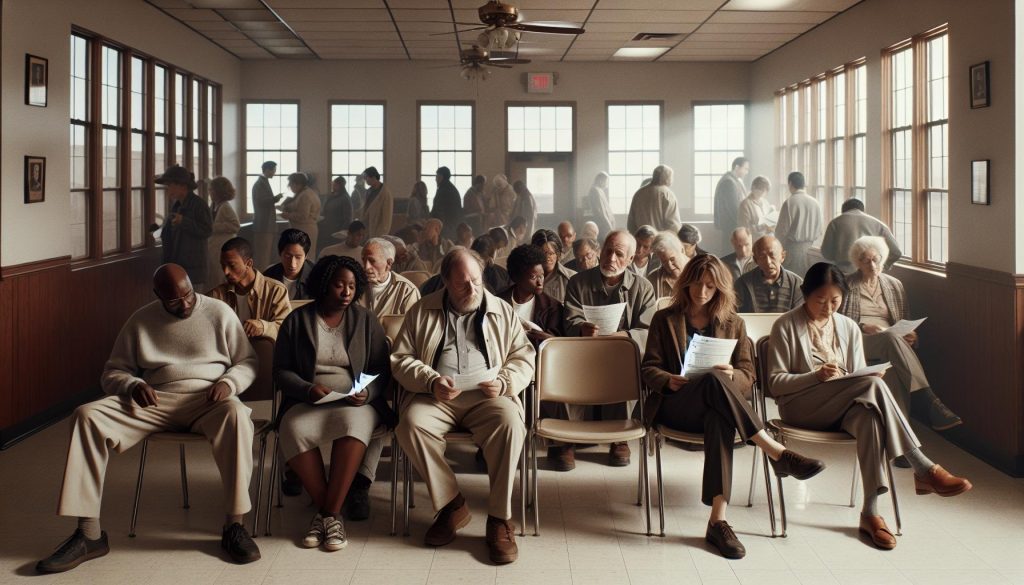
Navigating the waiting list for Section 8 housing assistance can be overwhelming, especially when many families face urgent needs for affordable housing. Section 8, a federal program that helps low-income individuals secure safe and affordable homes, often comes with lengthy waiting times that can vary significantly by location. Understanding how long you might need to wait is crucial for planning your next steps and managing your expectations. In this article, we’ll explore the current waiting times across different regions, highlight factors that influence these timelines, and provide practical tips for improving your chances of obtaining assistance. Whether you’re applying for the first time or checking in on an existing application, having the latest information will empower you to make informed decisions about your housing journey.
The Current Waiting List Times for Section 8 Housing
While many people may think that assistance programs like Section 8 operate quickly, the reality is often quite different. The waiting lists for Section 8 housing can stretch across years, affecting thousands of families in need of affordable housing. In some regions, applicants may wait from several months to over ten years before receiving a voucher due to limited funding and high demand. In fact, in urban areas, waiting lists can be closed for years, only to reopen sporadically, making it critical for potential applicants to stay informed about their local situation.
A multitude of factors contribute to how long someone might wait on a Section 8 list. These include the demand for assistance in a specific area, the number of available housing units, and funding levels from the Department of Housing and Urban Development (HUD). Additionally, local agencies often have varied processes in handling their waiting lists, which can influence these times. For example, some regions prioritize families with children, veterans, or the elderly, which can further extend waits for other applicants.
Staying proactive is essential. Applicants should regularly check updates from their local housing authority to understand the status of their waiting list. Consider also asking about local programs that may offer temporary assistance while awaiting a voucher, as these can provide crucial support. In the meantime, ensuring that all necessary paperwork is in order and continually assessing other housing options can help families navigate this challenging and often lengthy process.
Ultimately, while waiting for Section 8 assistance can feel daunting, knowledge and preparation can empower applicants to be ready when their number is called.
Factors Influencing Section 8 Waiting List Length
Each year, hundreds of thousands of families apply for Section 8 housing assistance, but many are left waiting for an extended period. It’s essential to understand the several factors that influence the length of these waiting lists, as they can significantly impact how quickly families receive the help they need.
One of the primary influencers of waiting list times is demand. In regions where housing costs are exceptionally high, more families often seek assistance. This increased demand can lead to much longer wait times as the available funding is spread thin. Likewise, the availability of housing units plays a crucial role. If the local housing market has a shortage of affordable units, the waiting list is likely to grow, as fewer families are able to find suitable housing that meets the program’s requirements.
Funding levels from the Department of Housing and Urban Development (HUD) also have a significant effect. If a local housing authority has limited resources, it may not be able to issue as many vouchers, thus prolonging wait times across the board. Additionally, many housing authorities prioritize certain populations-like families with children, veterans, or the elderly-which can sometimes mean that other applicants, such as single individuals, may face even longer waits.
To navigate these challenges, staying informed about local trends and updates can empower applicants. Consider reaching out to your area’s housing authority to understand their specific processes and any additional support options available while you wait. This proactive approach can help families manage their housing situation more effectively, even in the face of long wait lists.
How to Check Your Local Section 8 Waiting List Status
Finding out where you stand on the waiting list for Section 8 housing can feel daunting, especially when securing affordable housing is crucial for your family’s well-being. Fortunately, checking the status of your local Section 8 waiting list is a straightforward process that can bring peace of mind during your search for housing assistance.
To begin, contact your local Public Housing Authority (PHA) directly. Each PHA manages its own waiting list and has specific procedures in place for applicants. You can find contact information on the U.S. Department of Housing and Urban Development (HUD) website or through a simple internet search for your area’s housing authority. Most PHAs allow applicants to check their status either by phone or through their website. Here’s a quick guide on how to proceed:
- Gather Your Information: Before reaching out, make sure you have your application details handy, including your application number and personal information like your name and date of birth. This will help the housing authority locate your records quickly.
- Check Online: Visit your local PHA’s website. Many offer online portals where you can log in to your applicant account to check your status. If such a portal is available, you can typically find updates about wait times directly.
- Call the Office: If you prefer direct communication, call the PHA’s office. Be prepared for busy signals or longer wait times, as many applicants might be trying to reach them too.
In addition to these methods, patience and persistence are essential. Waiting lists can be lengthy depending on demand, but staying informed throughout the process can empower you to make informed decisions.
If you find that you are facing an extensive wait, consider keeping in touch with the PHA for any updates or changes in your application status. They can also provide resources and information on additional assistance programs available while you wait. Understanding your place on the waiting list not only helps manage expectations but also encourages proactive steps towards achieving your housing goals.
Regional Differences in Section 8 Waiting List Times
In the landscape of affordable housing, the waiting times for Section 8 assistance can vary significantly based on location. Understanding these regional differences is crucial for applicants navigating this complex system. For example, urban areas with higher population densities often experience longer waiting lists due to increased demand for affordable housing. In cities like New York and Los Angeles, applicants might face waiting times ranging from 2 to 10 years. This can be daunting for individuals and families seeking stability, as the need greatly surpasses the available units.
Contrastingly, rural areas might offer more manageable waiting times, sometimes as short as a few months. However, the availability of housing options in these areas can be limited, potentially requiring families to relocate to more urban centers, which may not be feasible or desirable for everyone. It’s essential for applicants to research their specific locality’s waiting lists, as some Public Housing Authorities (PHAs) might have fluctuating periods of closure due to high demand or limited funding.
To provide clarity, here’s a brief overview of regional waiting times:
| Region | Typical Waiting Time |
|---|---|
| Major Urban Areas (e.g., New York, Los Angeles) | 2 – 10 years |
| Mid-Sized Cities (e.g., Denver, Kansas City) | 1 – 3 years |
| Rural Areas | 3 months – 1 year |
Applicants should remain proactive while waiting. Connecting with community organizations can provide support and alternative resources, such as emergency housing assistance or local programs designed to bridge gaps before Section 8 funding becomes available. Participation in public hearings or community meetings can also help applicants understand changes in local policies and advocate for greater housing availability, which ultimately benefits everyone in the community.
Eligibility Requirements for Section 8 Assistance
To qualify for Section 8 assistance, which provides crucial rental support for low-income individuals and families, applicants must meet specific eligibility criteria. This federally funded program, officially known as the Housing Choice Voucher Program, is designed to ensure that those most in need can afford safe and decent housing in the private market. Understanding these requirements is key to navigating the application process effectively.
One of the primary considerations for eligibility is income. Generally, applicants must have a household income that does not exceed 50% of the area median income (AMI). However, some Public Housing Authorities (PHAs) prioritize families with extremely low incomes, defined as those earning less than 30% of the AMI. You can find detailed AMI figures for your region through local housing authorities or economic development offices.
In addition to income limits, applicants should also have lawful residency in the United States. Certain immigration statuses can affect eligibility, and it’s advantageous to consult local housing authorities for specific details related to your circumstances. Additionally, factors such as family composition will be considered; for instance, the number of dependents can impact potential voucher amounts.
Here’s a quick checklist for eligibility:
- Income: Must be within allowed limits based on local AMI.
- Residency: Must be a lawful resident of the U.S.
- Family Composition: Must provide information about the household members.
- No Disqualification: Must not have been disqualified from any previous program due to fraud or non-compliance.
It’s also important to note that individual PHAs may have additional criteria or applications that vary by region. Therefore, familiarizing yourself with local preferences and requirements is crucial, especially since waiting list times and processes differ widely depending on your location. Taking the time to prepare thoroughly can position you favorably when the opportunity arises to apply, ultimately making the path to stable housing that much clearer.
Understanding the Application Process for Section 8
Navigating the application process for Section 8 housing can feel daunting, particularly given the varying waiting list times experienced across different regions. The good news is that understanding the application steps and timelines can empower you to approach this challenge with confidence. Essentially, the application involves several vital steps that are manageable if you break them down and prepare ahead of time.
To start, you should reach out to your local Public Housing Authority (PHA), which administers the Section 8 program in your area. Each PHA has its own application procedures and waiting list management, so it’s important to visit their website or contact them directly for specific instructions. Many PHAs operate on a lottery or first-come, first-served basis, and waiting lists can vary significantly in length-sometimes ranging from a few months to several years depending on demand and funding availability.
In your application, you’ll typically need to provide a variety of documents that establish your eligibility. These often include proof of income, identification documents, and information about your family composition. It’s helpful to organize these documents before you apply, as this can expedite the process and increase your chances of being accepted. PHAs may also conduct background checks to ensure applicants haven’t previously been disqualified from housing assistance due to issues like fraud.
Once your application is submitted, checking the status of your waiting list position becomes crucial. Many PHAs offer online platforms where you can log in and view your status, while others may require a phone call or an in-person visit. Regularly checking your status will help you stay informed, especially since some PHAs might contact you for additional information or to update you when your name reaches the top of the list.
Staying proactive during the process can also make a difference. While you wait, consider researching other housing assistance programs that may be available in your area or exploring community resources that provide temporary support. Engaging in this broader search can not only alleviate some immediate housing pressure but can also give you peace of mind as you navigate the more extensive Section 8 application process.
Tips for Improving Your Chances on the Waiting List
Improving your chances on the Section 8 waiting list can seem challenging, but there are several proactive steps you can take to enhance your position. First and foremost, ensure that your application is complete and accurate. Double-check all documentation, including income verification, family size information, and identification. Inaccuracies or missing documents can lead to delays or even disqualification, so meticulousness is key.
It’s also beneficial to keep your contact information up to date. Many Public Housing Authorities (PHAs) use notifications via phone or email to communicate the status of your application. If your phone number or email address changes, notify your local PHA immediately to avoid missing any vital communications regarding your application or waiting list status.
Building relationships in your community can also aid your chances. Engage with community organizations that assist with housing. They often have insights into the local housing landscape and might provide additional resources or advocacy on your behalf. Attending community meetings or forums can increase your visibility and network, which may help propel your application forward.
Furthermore, when PHAs open their waiting lists, they can receive a high volume of applications. If you are eligible, apply as soon as the list opens. Some regions use lotteries or random selection, so timing can be a critical factor in improving your position. Additionally, inquiring about preference categories-such as being a veteran, elderly, or disabled-can provide advantages that expedite acceptance. Many PHAs grant priority status for specific demographics, so knowing your eligibility for those categories can be crucial.
By being proactive, staying organized, and leveraging community resources, you can not only improve your chances on the Section 8 waiting list but also navigate the waiting period with greater confidence and support.
What to Do While You Wait for Section 8 Assistance
While navigating the waiting period for Section 8 assistance, it’s essential to remain proactive and engaged in your housing search. A staggering number of households are affected by long waiting lists, with some areas experiencing waits upwards of several years. This uncertainty can be daunting, but there are constructive steps you can take to enhance your situation and prepare for your eventual move into housing.
First, consider exploring alternative housing resources that may be available in your community. Many local organizations offer rental assistance, emergency housing programs, or transitional housing options that can provide immediate support while you await Section 8. Establishing a relationship with these organizations can give you access to useful information and potential resources that fit your needs. Additionally, local churches and non-profits may have programs to assist families facing housing instability.
While waiting, it’s also vital to maintain your knowledge about your specific situation. Understanding your eligibility for different housing programs and services can be beneficial. For example, familiarize yourself with local preferences that might apply when you become eligible for Section 8-like preferences for veterans, those experiencing homelessness, or elderly individuals. Keeping this information at your fingertips ensures you’re ready to apply for any suitable programs once your name comes up on the waiting list.
Participating in community events or support groups can also be uplifting. These gatherings offer opportunities to meet others facing similar challenges and can cultivate a support network. Sharing resources and strategies with those in your community can provide emotional support and practical advice during what may feel like a lengthy and isolating process.
Lastly, keep your housing application and personal documents organized and up to date. As your circumstances change-whether it’s income updates or changes in family size-report those changes to your local Public Housing Authority (PHA) promptly. This not only keeps your application current but may also provide you with a better standing when your turn on the waiting list arrives. Remember, resilience and diligence during this waiting period can lead to positive outcomes, so stay informed, connected, and prepared for the opportunities ahead.
Alternatives to Section 8 Housing Programs
Navigating the challenges of securing affordable housing can be daunting, especially with long waiting lists for programs like Section 8. However, there are various alternative solutions that can provide immediate support while you wait. These alternatives can help bridge the gap between your current living situation and your goal of stable housing.
One viable option is to explore local rental assistance programs. Many communities offer short-term assistance designed to help individuals and families pay their rent during emergencies. This can include funds for back rent or future rent payments. Organizations such as the United Way or local non-profits often manage these funds. It’s crucial to reach out to these organizations to understand their requirements and application processes.
Another alternative is transitional housing programs, which provide temporary accommodation while you work toward permanent housing solutions. These programs often come with supportive services that can help you develop skills needed for independent living, such as budgeting and job readiness. Many shelters and housing organizations offer transitional housing specifically for families, veterans, or those exiting homelessness.
Rental income tax credits are also available in some areas, assisting low-income households in reducing their housing costs. Programs like the Low-Income Housing Tax Credit (LIHTC) allow property owners to offer below-market rates to eligible tenants. If you find a property participating in such a program, it could provide the affordability you need while you remain on the Section 8 waiting list.
Additionally, private landlords may offer flexible leasing arrangements or incentives to attract tenants with limited means. Always be upfront about your situation-many landlords are willing to work with tenants who are actively seeking more permanent housing solutions.
In summary, while the waiting list for Section 8 can be long, numerous resources can provide immediate support. Being proactive in seeking these alternatives not only helps cover your housing needs but also sets the stage for long-term stability. By leveraging local resources, transitional housing, tax credits, and even engaging with private landlords, you can create a path toward more secure and affordable housing.
Insights into Recent Changes in Section 8 Policies
Recent modifications to Section 8 policies have significantly impacted how this crucial housing assistance program operates, reflecting the ongoing need to address affordability and accessibility in housing across the nation. One notable change is the introduction of measures to streamline the application process, which aims to reduce the backlog and lengthy waiting times that many face. For instance, some housing authorities are now adopting online application systems, making it easier for potential applicants to submit their forms and track their status.
Additionally, there has been an increased focus on supporting vulnerable populations, such as the elderly, disabled individuals, and homeless families. Legislative enhancements allow more flexibility in providing housing vouchers to these groups, acknowledging the unique challenges they encounter. This shift not only prioritizes assistance for those in dire need but also encourages local housing authorities to adjust their policies in ways that better reflect community needs.
Housing Choice Voucher Program Adjustments
A key aspect of recent changes is the emphasis on the Housing Choice Voucher (HCV) program, which enables participants to select their housing rather than being restricted to specific units. Changes include offering more portability options, allowing families to relocate with their vouchers to different jurisdictions without losing their assistance. This flexibility is vital for individuals who may need to move for employment, education, or family reasons, as it helps maintain stability in their housing situation.
Furthermore, funding has seen a boost, thanks to bipartisan efforts to secure additional resources for housing assistance programs. This increase is particularly crucial as inflation and rising housing costs have strained the affordability landscape. By providing more financial support, the government is not only attempting to reduce waiting list times but also improve the overall conditions for those relying on Section 8 benefits.
In conclusion, while challenges remain, these recent policy adjustments present hopeful changes for those navigating the complexities of Section 8 housing assistance. By staying informed and engaged with local housing authorities, individuals can better understand their options and advocate for their needs in this evolving landscape.
Resources and Support for Housing Assistance
Navigating the complexities of housing assistance can often feel overwhelming, especially when dealing with long waiting lists for programs like Section 8, which provides critical support for low-income households. Fortunately, a variety of resources and support systems are available to help individuals and families through this process, ensuring they are not alone during this challenging time.
One essential first step is accessing local Public Housing Authority (PHA) websites, where residents can find specific information about Section 8 waiting lists, eligibility criteria, and upcoming openings. Many PHAs are now offering online tools to help applicants check their status and receive updates, which can alleviate some anxiety associated with waiting. For example, the Section 8 Search allows users to search for local waiting lists and provides insights into their current status, making it easier to stay informed.
Community organizations and non-profits also play a crucial role in offering support. These groups often provide resources such as workshops on the application process, assistance with paperwork, and advocacy services. They can help demystify the eligibility requirements and arm applicants with tools to present their case more effectively. Utilizing local resources can enhance an applicant’s ability to secure a spot on the waiting list and subsequently obtain housing assistance.
Additionally, it’s important to stay informed about any funding developments and policy changes affecting the program. Recent adjustments have focused on increasing funding for housing assistance, potentially reducing waiting times. Engaging with activist groups advocating for affordable housing can also provide insights and create a supportive community for those experiencing housing insecurity.
In summary, while the journey through the Section 8 waiting list can be daunting, numerous resources exist to help individuals navigate the process. By leveraging local PHAs, community organizations, and advocacy groups, applicants can enhance their chances of obtaining assistance and find support tailored to their unique situations.
Common Myths About Section 8 Housing Aid
Dispelling misconceptions around Section 8 can significantly empower those seeking housing assistance. Despite its crucial role in aiding low-income families, myths often lead to misunderstandings about the program and the experience of applying for aid. One common myth is that all Section 8 recipients are lazy or do not want to work. In reality, many individuals facing economic hardship are actively seeking employment but may struggle due to unforeseen circumstances like health issues or the rising cost of living.
Another prevalent myth is that Section 8 provides free housing. Instead, the program helps pay a portion of the rent directly to landlords based on a tenant’s income, which requires recipients to contribute a percentage of their earnings toward housing expenses. This shared cost model fosters personal responsibility and instills a sense of investment in their living situation.
It’s also a misconception that waiting lists for Section 8 are uniformly long everywhere. While many areas do experience extensive waiting times, others may have shorter lists or even open enrollment periods. Researching local Public Housing Authorities (PHAs) can provide critical insights into specific waiting times and the status of applications, offering hope where it might seem inaccessible.
For those considering application, understanding that eligibility criteria can differ by region eliminates the fear of being automatically disqualified. Factors such as income limits, family size, and even local policies can influence eligibility. Being informed about your local regulations and requirements opens the door for many potential applicants who may assume they do not qualify.
Finally, another myth is the belief that once you apply, you are left waiting without any resources or communication. In reality, many PHAs provide updates on application status and may offer workshops or support groups to assist applicants while they wait. Keeping an active line of communication with your local PHA can help navigate the process more effectively.
By educating oneself about the realities of Section 8 housing assistance, applicants can approach the process with a clearer understanding, transforming what can be an overwhelming experience into a manageable journey toward securing stable housing.
Frequently asked questions
Q: How long can I expect to wait for Section 8 assistance?
A: The waiting time for Section 8 assistance varies significantly by location and demand but can range from several months to several years. Check with your local housing authority for specific estimates as they can provide more accurate data based on current applications and funding.
Q: Why do Section 8 waiting lists differ by region?
A: Section 8 waiting lists differ by region due to factors such as population density, local economic conditions, and available funding. Urban areas typically face longer waiting lists due to higher demand, while rural areas may have shorter lists but less competition overall.
Q: What factors can increase my chances of moving up the Section 8 waiting list?
A: Factors that may increase your chances include maintaining updated contact information with the housing authority, responding quickly to requests for information, and demonstrating stability in income and housing situations. Additionally, applying during open enrollment periods can help.
Q: When should I check my Section 8 application status?
A: You should check your Section 8 application status every few months or whenever you receive a notification from your local housing authority. Consistent follow-ups can help ensure your application is processed smoothly and keep you informed about your position on the waiting list.
Q: What can I do while I wait for Section 8 assistance?
A: While waiting for Section 8 assistance, consider looking into local community resources, such as food banks and emergency financial assistance programs. You can also pursue job training programs or other housing subsidies that might be available in your area.
Q: Can I apply for multiple Section 8 programs at once?
A: Yes, you can apply for multiple Section 8 programs, but you must meet the eligibility criteria for each program. Be mindful of application deadlines and ensure you provide accurate information to all housing authorities to avoid complications.
Q: What should I do if I am denied Section 8 assistance?
A: If you are denied Section 8 assistance, you have the right to request an informal hearing with the housing authority. Review the denial letter carefully for reasons and gather any necessary documentation to support your case before the hearing.
Q: Are there any recent changes to Section 8 policies I should know about?
A: Yes, changes to Section 8 policies frequently occur. These may include updates to income thresholds, eligibility criteria, and funding allocations. It is essential to stay informed by regularly checking updates from your local housing authority or the U.S. Department of Housing and Urban Development (HUD).
In Retrospect
Understanding the realities of waiting lists for Section 8 can be a challenging journey, but gaining clarity on current times is key to planning your next steps toward housing stability. If you’re feeling uncertain or anxious about the waiting process, remember that you’re not alone; many are navigating similar challenges. We encourage you to explore our comprehensive guide on Section 8 eligibility requirements and our informative article on local housing assistance programs, which offer more insights and support.
Don’t wait too long to take action-consider signing up for our newsletter for the latest updates and tips on housing options available to you, including tax credit opportunities that might alleviate some financial burdens. Your next steps could pave the way toward a secure living situation.
Engage with us! Your thoughts matter, so share your experiences or questions in the comments below. Together, let’s build a community of support and knowledge as we work toward a brighter future in housing.