Did you know that over half a million people in the U.S. experience homelessness on any given night? Starting a transitional housing program can be a crucial step in addressing this pressing issue, even if you have limited financial resources. This guide will walk you through how to establish a transitional housing program without any initial funding. You’ll learn practical strategies that empower you to create a safe haven for those in need, equipping vulnerable individuals and families with the stability and support necessary to rebuild their lives. If you’re motivated to make a difference but feel limited by financial constraints, continue reading to discover actionable steps, community resources, and innovative approaches that can turn your vision into reality. Together, we can foster hope and transformation for those who need it most.
Understanding Transitional Housing: A Compassionate Overview
Transitional housing serves as a crucial lifeline for individuals and families navigating the difficult pathways of life after homelessness, addiction recovery, or other severe life transitions. These temporary living arrangements are designed to offer more than just shelter; they provide a supportive environment where residents can focus on rebuilding their lives with access to essential resources, guidance, and community support. This type of housing often bridges the gap between emergency shelters and permanent housing, allowing residents the stability they need to work towards greater self-sufficiency.
For those looking to start a transitional housing program with little to no money, understanding the fundamental aspects of transitional housing is vital. These programs typically target low-income individuals or families who require assistance in gaining stability. While funding can be a significant barrier, community engagement and resourcefulness can lead to successful initiatives. By fostering strong partnerships with local businesses, non-profits, and government agencies, aspiring program directors can create a network of support. Engaging volunteers from the community can also enhance program sustainability while lessening financial strain.
To create a compassionate and effective transitional housing program, it is essential to establish clear guidelines and define the mission. Programs must outline eligibility criteria, determine the length of stay, and specify the support services available, such as counseling, job training, and financial literacy classes. Additionally, developing a robust outreach strategy will help ensure that those in need are aware of the program and can access it easily. Resources like local food banks, health services, and vocational training centers can be invaluable in creating a holistic support system that empowers residents to thrive.
In essence, successful transitional housing programs are grounded in empathy, community collaboration, and dedication to fostering independence. With careful planning and a compassionate approach, it is indeed possible to establish a meaningful program that provides a vital support network for those seeking to turn their lives around.
Identifying Community Needs for Transitional Housing
Identifying the specific needs of your community is the cornerstone for launching a successful transitional housing program. Before establishing a program, it’s essential to understand the demographics, challenges, and existing resources in your area. Engaging with community members, local leaders, and social service providers can provide invaluable insights into the gaps in housing and support that your program could address. Research shows that more than 580,000 people in the U.S. experience homelessness on any given night, indicating a significant need for supportive transitional housing options.
Start by gathering data on local housing trends, socioeconomic status, and the number of individuals and families experiencing homelessness or facing imminent eviction. You can utilize sources like local government reports, census data, and community surveys to assess how many people might benefit from transitional housing. Hosting community forums can also be an effective way to gather qualitative data. Use these discussions to learn about residents’ experiences, barriers to secure housing, and the support services they believe could aid their recovery.
Alongside understanding the quantitative needs, it is crucial to identify the qualitative aspects of transitional housing. For instance, consider what type of support services are most desired by your potential residents. This could include access to mental health resources, job training programs, childcare options, or substance abuse counseling. By prioritizing these needs, your program can offer a more tailored approach that addresses the unique challenges faced by individuals in your community.
Also, consider forming advisory committees that include individuals who have experienced homelessness or those currently engaged in transitional housing. Their insights can guide your program’s offerings and ensure that services are aligned with real-world needs. It’s about building a program that genuinely reflects and responds to your community’s requirements-fostering a sense of trust and collaboration that encourages residents to engage in the recovery and stability process.
In summary, understanding community needs is not just about statistics; it’s about connecting with the human stories behind those numbers. By proactively listening and engaging with your community, you can create a transitional housing program that not only provides shelter but also offers a solid foundation for residents to rebuild their lives.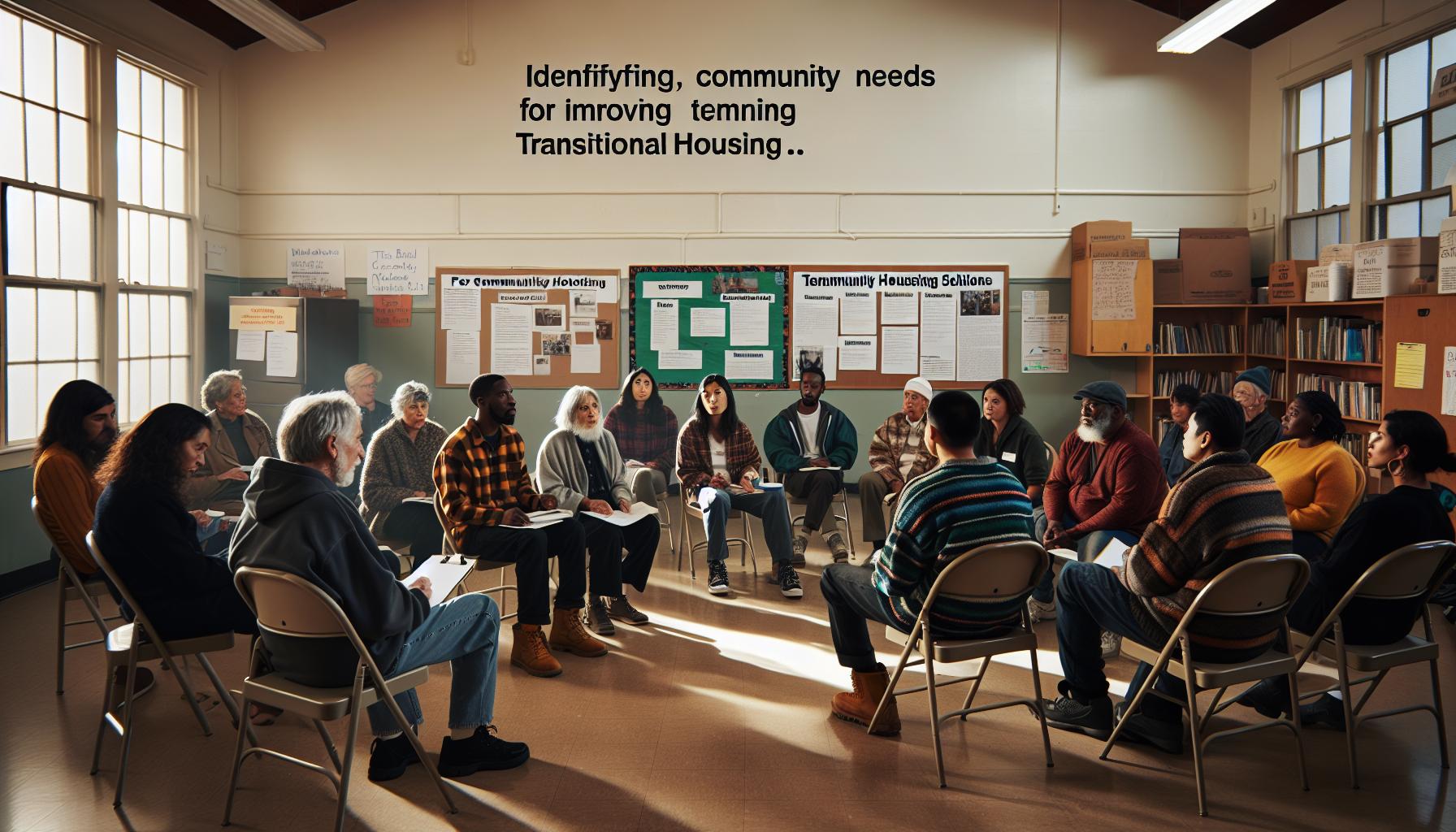
Exploring Funding Avenues for Zero-Cost Programs
Unlocking the potential for transitional housing can often feel daunting, especially when funding seems out of reach. Yet, many communities have successfully launched impressive programs using zero-cost or low-cost funding strategies. By leveraging available resources and creative partnerships, you can transform your vision into reality without a sizable initial investment.
One of the most promising avenues is seeking partnerships with local businesses and nonprofit organizations. Many companies are looking to give back to the community through corporate social responsibility (CSR) initiatives. Approach these businesses with a solid proposal that outlines how they can contribute, whether through monetary donations, in-kind services, or facility space for operations. For example, a local construction company might offer materials or manpower for building renovations, while a grocery store could donate food for residents.
State and Federal Grants
Applying for grants is another vital strategy. Numerous state and federal programs specifically designed to support housing initiatives can provide funding with no repayment required. Some notable programs include:
- Emergency Solutions Grant (ESG): A federal program that provides funding to either prevent homelessness or help those who are already homeless.
- Continuum of Care (CoC): This program supports various projects aimed at ending homelessness.
- Community Development Block Grant (CDBG): Funded by HUD, these grants can be used for housing development and public service projects that help low-income residents.
Be sure to check the eligibility requirements for each grant and keep a calendar of deadlines to ensure timely applications.
Utilizing Tax Credits
Aside from grants, leveraging tax credit programs can be an effective way to utilize existing funds for operational costs. For example, the Low-Income Housing Tax Credit (LIHTC) provides tax incentives to encourage the development of affordable housing for low-income households. Understanding how these credits work can help you plan realistically and manage cash flow better.
Consider getting creative with community fundraising efforts as well. Hosting events, utilizing online crowdfunding platforms, and launching social media campaigns can generate funds while also raising awareness of your cause. Engaging the community not only aids financial efforts but also builds a support network.
By exploring diverse funding avenues, you can establish a robust transitional housing program that meets your community’s needs, even with zero upfront budget.
Building Partnerships: Collaborating for Success
Building a successful transitional housing program without initial funding hinges on strong partnerships within the community. Collaborating with local organizations, businesses, and government entities not only expands your resource pool but fosters a sense of shared responsibility towards addressing housing insecurity. It’s crucial to approach potential partners with a clear, compelling vision of your program. Articulating how their involvement can create positive change-whether through financial contributions, services, or volunteer efforts-can significantly strengthen your proposal.
When identifying partners, consider local businesses that have a history of community engagement. For instance, grocery stores might support your efforts by donating food supplies, while libraries and community centers can provide meeting spaces for program activities. Create an “ask” list outlining what you need from various partners, whether it’s financial support, in-kind donations, or volunteer hours. As you reach out, provide specific examples of successful partnerships to illustrate the impact they can make. Highlight local initiatives that thrived with cooperative efforts-this real-world evidence will bolster your case and inspire confidence in potential collaborators.
Networking through local chambers of commerce or social service coalitions can also be an effective strategy. Attend community events and workshops to establish connections and share your mission. Remember, the goal of these partnerships is mutual benefit; therefore, explore ways to give back to your partners, such as public acknowledgment or shared marketing opportunities, which can enhance their community image.
Taking a collaborative approach not only builds a support network but also cultivates goodwill and shared investment in the transitional housing mission. These relationships can dramatically increase your program’s sustainability, making it easier to navigate challenges while amplifying your community’s collective impact.
Navigating Legal and Regulatory Requirements
Navigating the legal and regulatory landscape of transitional housing can feel overwhelming, yet understanding these requirements is crucial for establishing a successful program that serves those in need effectively. Various laws and regulations not only govern how housing programs operate but also protect the rights of residents and ensure safety standards. Engaging with these legal frameworks can foster trust within the community and among potential partners, which is vital for any initiative aimed at tackling housing insecurity.
Firstly, familiarize yourself with local zoning laws. Such regulations determine where transitional housing can be located and what types of structures are permissible. Each city or county may have different regulations that could affect your program’s setup. Work closely with local planning departments to understand these limitations. In some cases, you may need to apply for special permits or variances to operate your program in your desired location, enabling you to address community needs effectively while remaining compliant.
Additionally, keep in mind federal and state regulations that may impact your operation, such as fair housing laws and regulations specific to housing assistance programs. For example, the Fair Housing Act prohibits discrimination based on race, color, national origin, religion, sex, familial status, or disability. Understanding these laws will ensure your program promotes inclusivity and equality, making it accessible to all individuals in need. Regular training for staff and volunteers on these regulations can instill a culture of compliance and foster an environment of respect and support within the housing community.
When dealing with residents, implementing clear policies regarding eligibility criteria, intake procedures, and grievance processes is essential. This approach not only meets legal requirements but also helps establish trust with potential residents. Having transparent strategies in place can aid in addressing any disputes or issues that arise, ultimately promoting a stable living environment.
Lastly, consider collaborating with legal aid organizations that specialize in housing issues. These partnerships can provide invaluable resources, from legal consultation during the formation of your program to assistance during any disputes that may arise with residents or other stakeholders. By equipping yourself with the right knowledge and support, you can confidently launch and manage a transitional housing program that genuinely makes a difference in your community.
Creating a Sustainable Program Framework
Creating a sustainable framework for a transitional housing program without upfront funding is an ambitious yet achievable goal. Establishing a clear structure allows you to leverage community resources, ensure program longevity, and effectively meet the needs of those you serve. Starting with a solid framework lays the foundation for attracting support, whether through collaboration, donations, or volunteer involvement.
To begin, it’s essential to identify the core mission and objectives of your program. What specific needs are you addressing in your community? Define your target population-whether it’s families, individuals recovering from substance abuse, or the homeless-and tailor your services accordingly. Once your mission is articulated, you can construct a framework that includes operational guidelines, service offerings, and support structures. Regularly revisiting and refining your objectives ensures that your program can adapt to changing community needs.
Building Community Partnerships is critical for sustainability. Collaborate with local businesses, non-profits, faith-based organizations, and government entities. These partnerships can provide resources, referrals, and financial support. For example, a local business could sponsor events, while a local nonprofit might offer in-kind donations of materials or services. Hosting a community meeting can facilitate connections and raise awareness about your program’s mission, potentially attracting volunteers who resonate with your cause.
Developing a Volunteer Network
is another cornerstone of your sustainable program. Volunteers bring valuable skills, energy, and community ties that can help your organization thrive. Create a structured volunteer program that includes orientation, training, and clear roles and responsibilities. Engaging volunteers not only reduces operational costs but can also bolster program services such as mentoring, counseling, or administrative support. Consider implementing a volunteer recognition system to maintain morale and commitment.
Lastly, ensure you have a solid evaluation system to measure your program’s impact. Track residents’ progress using surveys and feedback forms to assess the effectiveness of your services. Sharing these outcomes with stakeholders not only enhances your credibility but also opens doors for future funding opportunities. Detailed documentation of your program’s success stories can attract attention and resources needed to grow your efforts, creating a cycle of sustainability that supports ongoing community assistance.
By combining clear mission-driven goals with strong community partnerships, an engaged volunteer base, and a robust evaluation plan, you can create a transition housing program that not only survives but thrives, all without needing significant startup funding.
Developing Effective Outreach Strategies
Effective outreach strategies are the lifeblood of a transitional housing program, especially when resources are limited. To make a real difference, it’s essential to connect with your local community and raise awareness about your services. Start by identifying your target audience, which may include individuals facing homelessness, those in recovery from substance abuse, and local organizations that may refer clients to your program. Understanding your audience lays the foundation for a tailored outreach plan.
Begin your outreach by leveraging social media platforms such as Facebook, Instagram, and Twitter. These tools are free to use and allow you to disseminate information widely. Share stories of success from former residents, useful resources, and upcoming events. Creating a dedicated page for your program can foster community engagement and allow supporters to share your posts, reaching potential beneficiaries. Additionally, crafting informative blog posts or newsletters can keep your audience updated and involved.
Community events present a dynamic way to connect with both potential residents and supporters. Attend and host events such as job fairs, local health screenings, or community fairs to establish visibility. Set up a booth with informative brochures, flyers, and sign-up sheets to get contact information from interested individuals. Use these events to network with other nonprofits and local businesses to build essential partnerships that can enhance your outreach efforts.
Moreover, forming alliances with local churches, schools, or community centers enables you to tap into existing networks that can help promote your services. These organizations often have established trust within the community and can assist in providing referrals. Prepare an outreach toolkit that includes educational materials explaining your program’s mission, the application process, and how individuals can seek help. Offering informational sessions at these venues can further demystify your program and encourage community members to engage actively.
In addition, consider employing word-of-mouth marketing. Encourage current residents and alumni to share their positive experiences with friends and family. Their testimonials can serve as powerful motivators for those in similar circumstances. You can also create a referral incentive program, offering small rewards for individuals who successfully refer others to your program, thereby harnessing the power of personal networks to increase outreach effectively.
Overall, a multi-faceted approach incorporating social media, community events, strategic partnerships, and grassroots networking will significantly enhance your outreach efforts. By making informed and innovative connections, you can ensure that your transitional housing program is a visible and accessible resource for those in need.
Engaging Volunteers and Community Support
Building a successful transitional housing program often hinges on the support of dedicated volunteers and community members. Engaging individuals who are passionate about addressing housing insecurity can significantly amplify your program’s impact, especially when financial resources are tight. Volunteers bring not only their time and skills but also help raise awareness and foster community connections that are essential for sustaining your efforts.
A strategic approach to volunteer engagement begins with identifying potential volunteers’ interests and skills. Organize community meetings or focus groups to discuss the program’s mission and needs. This engagement allows the community to feel invested in your cause. Next, create specific roles for volunteers that match their skills, whether it be administrative support, mentorship, or leading workshops for residents. This clarity ensures that both volunteers and residents benefit from their involvement, creating a mutually reinforcing relationship.
Collaborating with local organizations, schools, and businesses can also bolster community support. These entities often seek community service opportunities for their members and employees, providing a steady stream of volunteers. Establish partnerships to host joint events, such as fundraising drives or awareness campaigns. This not only raises funds but also strengthens community ties and can lead to more individuals joining your cause.
Don’t overlook the power of recognition in maintaining volunteer enthusiasm. Regularly highlight volunteer contributions through social media shout-outs, newsletters, or recognition events. This acknowledgment fosters a sense of belonging and motivation for volunteers, encouraging them to continue supporting your mission. Additionally, forming a volunteer advisory board can give them a voice in decision-making processes, making them feel even more valued and committed to the program’s success.
Ultimately, engaging volunteers and the community requires creativity, clear communication, and consistent efforts. By taking the time to cultivate genuine relationships, you can create a robust support system that not only helps your transitional housing program thrive but also fosters a sense of community and shared purpose.
Implementing Guidelines for Resident Success
Establishing a successful transitional housing program requires not just a roof over an individual’s head but also a set of guidelines that empower residents to rebuild their lives. These guidelines help cultivate a supportive environment that fosters personal growth and accountability. Meaningful success can often hinge on clear expectations and frameworks to guide residents as they transition toward independent living.
First and foremost, it’s essential to outline what is expected from residents. Key elements may include participation in house meetings, adherence to a code of conduct that respects communal living, and engagement in any available support services, such as counseling or job placement programs. For instance, consider implementing a flexibility policy for those facing additional challenges. Perhaps allowing participation in job search workshops or life skills training can be a part of this structured support, accelerating their journey back to stability.
Another critical component is establishing a clear process for addressing conflicts or violations of guidelines. Maintaining an open-door policy can encourage residents to express concerns without fear of repercussions, creating a culture of transparency and support. Regular meetings could serve as a platform for discussing challenges, sharing successes, and collaboratively solving problems. These gatherings not only foster a sense of community but also empower residents to take an active role in their living environment.
Encouraging with achievable milestones can significantly motivate residents. This could involve setting personal goals, like obtaining employment or completing educational courses. To facilitate progress tracking, you might implement a simple checklist or a progress board visible to all residents, celebrating milestones to foster motivation and a sense of achievement. Additionally, forming peer support groups can enhance this goal-oriented environment, where residents encourage one another, share resources, and create lasting relationships.
By integrating these implementing guidelines, you not only offer a structured path toward success but also empower residents with the tools they need to navigate their journey effectively. Establishing clear, supportive frameworks enables individuals to take ownership of their progress, fosters community culture, and ultimately leads to a more successful transition to independent living.
Measuring Impact: Tracking Outcomes and Success
To effectively assess the success of a transitional housing program, it is crucial to establish clear metrics that provide insight into residents’ progress and overall program efficacy. This assessment not only helps in understanding the impact of the program but also plays a pivotal role in securing future funding and support. Key performance indicators (KPIs) may include the rate of successful transitions to permanent housing, employment rates among residents, and participant satisfaction scores.
Monitoring resident outcomes can be accomplished through a variety of methods. Regular check-ins can be scheduled, where case managers or volunteers discuss individual goals and challenges faced by residents. Additionally, surveys can be distributed periodically to collect feedback on the living experience, support services, and overall satisfaction. These surveys should focus on aspects like communal living experiences, access to resources, and perceived effectiveness of job training programs.
Implementing Tracking Tools
To streamline the tracking of these outcomes, consider using digital tools or simple spreadsheets that allow for easy input and analysis of data. A progress-tracking system could highlight essential metrics, such as the following:
- Housing Stability: Percentage of residents who secure permanent housing within a specified timeframe after leaving transitional housing.
- Employment Rates: Proportion of residents who find stable employment during their time in the program.
- Engagement in Services: Numbers indicating participation in counseling, job training, and life skills workshops.
- Resident Satisfaction: Feedback from residents regarding their experience and perceived benefits of the program.
Collecting and analyzing this data not only provides a clearer picture of program success but can also guide areas for improvement. For instance, if low employment rates persist, it may indicate a need to enhance job placement services or offer additional training opportunities.
Ultimately, by measuring impact through structured outcomes and resident feedback, transitional housing programs can not only demonstrate their effectiveness but also evolve and adapt to better serve those in need. The information gathered can be invaluable in building a case for continued funding and support, thereby ensuring that the program remains a vital resource for individuals seeking stability and independence.
Overcoming Challenges: Real Stories and Solutions
Starting a transitional housing program with limited or no funds might seem daunting, but many organizations have transformed their ambitions into reality through creativity, community engagement, and resourcefulness. A standout example is a grassroots initiative in a small urban area that began with a handful of volunteers and a spare building offered by a sympathetic local business owner. By leveraging this donation, the initiative turned a dilapidated space into a supportive community hub within months. This story illustrates not just what is possible, but emphasizes a powerful truth: sometimes, the most significant changes begin with just one person or one idea.
To replicate such success, it is crucial to foster relationships in your own community. Forming partnerships with local businesses can be the bedrock of your program. For example, local restaurants might be willing to provide meals for residents, while nearby service organizations could offer job training or counseling services. Building a network of support not only increases the resources available to your program but also helps create a sense of community ownership. Engaging community members as advocates and volunteers can amplify your reach and solidify a support system that is essential for sustainability.
Reducing costs doesn’t solely rely on donations; it also involves innovative thinking. One effective approach utilized by several programs is sharing resources, such as utilizing common spaces for meetings and events to minimize operational expenses. For instance, a transitional housing program collaborated with a local church to use their facilities for free, aligning the program’s outreach with the church’s mission of community support. This mutually beneficial arrangement not only saved money but also attracted additional community members to both the church and the housing program.
Moreover, residents themselves can play a transformative role in overcoming challenges. A transitional house in Detroit empowered its residents by involving them in program decisions and operations, which helped shape a deeper sense of accountability and ownership. As residents contributed their unique perspectives on needs and services, the program adapted to be more effective and tailored, increasing satisfaction and, ultimately, success.
In summary, overcoming financial hurdles in starting a transitional housing program is not merely about funding; it’s about harnessing community spirit, collaborative partnerships, and the strength of the individuals you serve. Each challenge can be met with innovative solutions and stories of local resilience, proving that a lack of money can indeed foster creativity and connection in the quest to provide safe, supportive environments for those in need.
Frequently Asked Questions
Q: What are the first steps to start a transitional housing program without funding?
A: Begin by conducting a community needs assessment to identify the demand for transitional housing. Engaging with local stakeholders can help you understand existing resources and gaps, which is crucial for laying the groundwork for your program.
Q: How can I find volunteers to help start a transitional housing program?
A: Leverage local community centers, schools, and universities to recruit volunteers. Social media platforms and community events can also be effective in spreading the word about your need for support. Highlight the impact their involvement makes in helping individuals achieve stability.
Q: Are there organizations that provide resources for starting transitional housing programs?
A: Yes, organizations like HUD (U.S. Department of Housing and Urban Development) often provide guidelines and resources for establishing housing programs. Additionally, local nonprofits focused on homelessness can offer valuable insights and potential partnerships.
Q: What legal steps are necessary to start a transitional housing program?
A: Research local zoning laws and regulations related to housing facilities in your area. It’s also essential to register your organization as a non-profit, which can provide tax benefits and boost credibility. Consult a legal expert for compliance advice.
Q: How can partnerships help with starting a transitional housing program?
A: Collaborating with local businesses, nonprofits, and government agencies can provide essential resources such as funding, property, and expertise. Partnerships enhance your program’s credibility and increase the network of support available for residents.
Q: What should be included in a sustainable program framework for transitional housing?
A: A sustainable framework should include clear goals, a structured operational plan, and defined metrics for measuring success. Incorporate resident support services, such as job training and counseling, to foster long-term stability for participants.
Q: How can community support be engaged for a transitional housing program?
A: Organize outreach events and informational sessions to educate the community about the benefits of transitional housing. Encouraging involvement from local residents and businesses can create a sense of ownership and support for the initiative.
Q: What challenges might arise when starting a transitional housing program?
A: Common challenges include securing funding, navigating legal regulations, and building community support. Anticipate these hurdles and incorporate strategic planning and flexibility into your program to effectively adapt and find solutions.
In Retrospect
Starting a transitional housing program with no money is not just possible, it can also be deeply impactful. Remember, securing partnerships and leveraging community resources are key steps that can help you gain traction. If you feel uncertain about the next steps, consider exploring funding options, such as grants and donations, or look into local organizations that may assist you.
To further your journey, visit our detailed guides on finding grants for housing programs and building community partnerships, which can provide you with valuable insights and actionable paths forward. Don’t hesitate to stay connected-subscribe to our newsletter for ongoing support and resources tailored to your needs. Together, let’s create safe, supportive spaces for those seeking stability. Your efforts can spark real change, so take action today and turn your vision into reality!