Every night, approximately 40,000 veterans experience homelessness, a statistic that underscores the urgent need for effective transitional housing programs. These programs provide crucial support for veterans, helping them find stability and reintegrate into civilian life. If you’re looking to make a difference, starting a transitional housing program for veterans can be a transformative path. This guide will lead you through the steps to create a supportive environment that addresses their unique challenges while promoting self-sufficiency. By understanding the needs of veterans and implementing essential programs, you can play a vital role in changing lives and fostering hope. Join us as we explore the practical steps to equip you with the knowledge and tools to launch a successful program that serves those who have served us.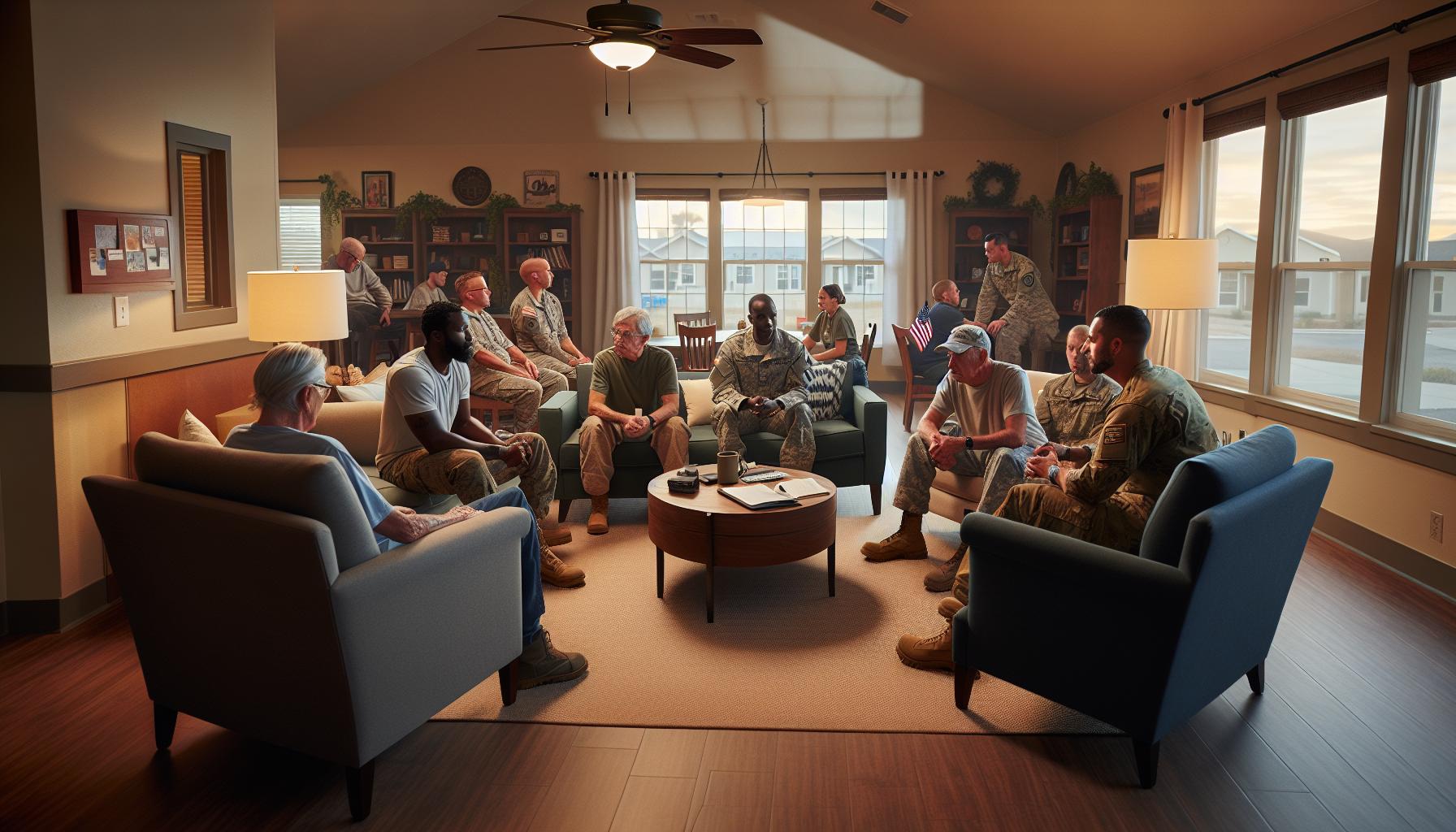
Understanding the Need for Transitional Housing for Veterans
Transitional housing is a critical step for many veterans reintegrating into civilian life, with numerous studies showing that this population often faces unique challenges, including mental health issues, economic instability, and social isolation. For veterans who have experienced homelessness or have been at risk of losing their housing, transitional housing serves as a bridge to independence, providing the necessary support and resources to secure permanent housing. Programs that offer safe, structured environments where veterans can access counseling, job training, and community support not only help stabilize their living situations but also address underlying issues such as PTSD and substance abuse.
The need for transitional housing for veterans has become even more pronounced as the veterans’ population continues to grow and the challenges they face become more complex. Many veterans struggle to navigate the various systems of support available, including healthcare, job placement, and housing assistance. Programs like those offered by U.S.VETS focus on providing tailored transitional housing solutions that recognize the specific needs of veterans, helping them move toward sustainable living situations. Additionally, organizations such as The Baltimore Station provide innovative therapeutic environments that help veterans turn their lives around by offering comprehensive support alongside housing solutions [2].
An essential aspect of establishing transitional housing programs is understanding not only the needs of veterans but also the resources available for support. Programs must incorporate housing literacy to empower veterans with knowledge about benefits such as the VA Supportive Housing Program and local resources available in their communities. Moreover, building a supportive community around transitional housing can promote resilience, providing veterans with vital connections that encourage long-term stability and success. By fostering environments where veterans can share experiences and support one another, these programs not only enhance individual well-being but also facilitate a collective path toward healing and reintegration into civilian society.
Key Steps to Launch a Transitional Housing Program
Starting a transitional housing program for veterans can be a game-changing endeavor for those who have served our country and are now facing housing instability. Given the complexity of challenges veterans encounter, such as mental health issues and economic uncertainties, it is crucial to approach the establishment of such programs thoughtfully and strategically. Here’s how to embark on this empowering journey.
Firstly, conduct a needs assessment to understand the specific requirements of your target population. Engage with local veterans’ organizations, shelters, and veteran service officers to gather insights regarding common obstacles faced by homeless or at-risk veterans in your community. This data will help shape the services and resources your program will offer, ensuring they are not only relevant but also effective.
Next, it’s essential to create a detailed plan that outlines your program’s mission, objectives, and the services you intend to provide. This includes identifying the type of housing model-whether emergency, transitional, or permanent supportive housing. Also, clarify how your program will integrate mental health services, job training, and community support to address the diverse needs of veterans. Collaborating with existing organizations such as U.S.VETS can provide valuable guidance and frameworks that have proven successful in other communities.
Funding is a crucial aspect of launching a transitional housing program. Identify potential funding sources, including federal grants like the Supportive Services for Veteran Families (SSVF) or local housing assistance programs. Develop partnerships with businesses, philanthropic organizations, and government agencies to secure donations and in-kind support. Preparing a comprehensive budget that includes operational costs, staff training, and facility maintenance is vital. Don’t forget to plan for long-term sustainability, considering how your program will continue to meet veterans’ needs over time.
Finally, establish a timeline with clear milestones to track progress as your program develops. Implementing ongoing evaluation measures will help assess the impact of your efforts and adapt your strategies as needed. Engaging the veterans you serve in this process not only gives them a voice but also builds a supportive community that fosters trust and resilience.
In sum, launching a transitional housing program for veterans requires a compassionate understanding of their needs, strategic planning, and collaborative resource development. Each step taken in this process not only supports individual veterans but also contributes to the broader goal of ensuring that no veteran has to face homelessness alone.
Finding Funding and Resources for Your Program
Finding the financial resources to launch a transitional housing program for veterans can be a challenging yet rewarding endeavor. With a significant portion of veterans facing homelessness or housing instability, every dollar raised can make a meaningful impact on their lives. Developing a strategy to acquire funding involves exploring multiple channels, building partnerships, and creating a sustainable financial model.
Start by identifying available federal and state funding opportunities. Programs like the Supportive Services for Veteran Families (SSVF) provide essential grants aimed at helping veterans access affordable housing. Additionally, local housing assistance programs may offer financial support. Research state and federal government websites, where you can find grant announcements and eligibility criteria.
It’s also beneficial to cultivate relationships with local businesses, philanthropic organizations, and community foundations. Engaging your local community not only opens doors to financial contributions but might also yield in-kind donations such as furniture or services. Building a coalition of support can enhance your outreach efforts and increase funding opportunities. Consider setting up a fundraising campaign that highlights the impact of your program, which can resonate with potential donors.
To provide a clearer overview of funding sources, consider categorizing them:
| Funding Source | Type | Potential Amount | Application Steps |
|---|---|---|---|
| Supportive Services for Veteran Families (SSVF) | Federal Grant | $500K-$3M | Submit application via VA. |
| Homeless Emergency Assistance and Rapid Transition to Housing (HEARTH) | Federal Grant | $100K-$500K | Contact HUD for local allocations. |
| Local Community Foundations | Philanthropic Support | Varies | Submit a proposal highlighting community impact. |
| Private Donations | Individual/Corporate | Varies | Engage with local businesses to propose sponsorship. |
Moreover, ensure your program has a clear budget that outlines operational costs, anticipated revenues, and sustainability plans. Many foundations and grantors are interested in how you plan to maintain the program long-term and ensure that funds are used effectively.
Finally, while you pursue these funding avenues, keep communication open with the veteran community to verify their needs and gather testimonials that can help bolster your funding applications. By focusing on these elements, you can build a strong financial foundation for your transitional housing program, enabling you to create a supportive environment for veterans who have dedicated their lives to serving our country.
Eligibility Criteria for Veterans Seeking Housing
Many veterans face significant barriers when seeking housing, often due to the unique challenges they encounter after service. Understanding eligibility criteria is crucial for both veterans and organizations aiming to provide transitional housing. Each program may have different requirements, but several common factors help determine eligibility for veterans seeking housing assistance.
To qualify for transitional housing, veterans typically need to meet the following criteria:
- Military Service: Applicants usually must have served in the U.S. Armed Forces, with certain programs requiring specific service lengths or discharge statuses (e.g., honorable or general under honorable conditions).
- Homeless Status: Many programs target homeless veterans or those at risk of homelessness. This can include those living in emergency shelters, on the streets, or in temporary housing situations.
- Income Limits: Financial eligibility often includes meeting specific income thresholds set by housing assistance programs. For example, programs funded by the Department of Housing and Urban Development (HUD) may follow income guidelines that reflect local median income levels.
- Commitment to Program Participation: Some programs require veterans to engage in supportive services while living in transitional housing, which may include counseling, job training, or life skills workshops.
- Residency Requirements: Certain programs may prioritize local veterans or those who have resided in the area for a specific duration.
Steps to Determine Eligibility
To ensure they meet eligibility requirements, veterans interested in transitional housing should take the following steps:
- Gather Documentation: Collect military discharge papers, proof of income, and any documentation of homelessness or housing instability.
- Research Programs: Look into local and national programs, such as those offered by U.S.VETS or St. Vincent de Paul, which focus on different aspects of veteran housing and support services. Each organization may have specific eligibility rules based on funding sources or target populations.
- Contact Housing Providers: Reach out to local housing authorities or veteran service organizations to inquire about available programs and their specific criteria.
- Complete Application Processes: Follow application procedures for the programs that align with personal circumstances; many will involve filling out forms that provide details about military service, financial status, and housing history.
Being aware of these criteria not only helps veterans navigate their options more effectively but also empowers those assisting them to create well-informed, impactful transitional housing programs. By facilitating access to stable living environments, we can contribute to improving the overall well-being of veterans and easing their transition back into civilian life.
Building a Supportive Community for Veterans
Creating a supportive community for veterans in transitional housing is crucial for fostering a sense of belonging and empowering individuals as they navigate life after service. Veterans often experience unique challenges that can make reintegration into civilian life daunting, including isolation and mental health struggles. Building a community that emphasizes connection, understanding, and shared experiences can help mitigate these issues and promote healing.
One effective way to cultivate this supportive environment is through organized peer mentorship programs. These initiatives pair newer residents with veterans who have successfully transitioned and can offer guidance and camaraderie. This not only provides practical tips but also helps build confidence in vulnerable veterans facing similar paths. Additionally, regular community events such as coffee mornings, game nights, or shared meals can encourage social interaction and create enduring friendships among residents.
To further enhance this community, consider establishing partnerships with local businesses and organizations. Many companies are eager to support veterans and may offer resources such as job training or skill development workshops. Engaging local nonprofits or veteran service organizations, like U.S.VETS, can also provide access to critical services ranging from mental health support to employment resources[2]. These collaborations not only enrich the community but also instill a sense of purpose and involvement among residents.
Creating a welcoming and inclusive atmosphere involves understanding the diverse needs of veterans. For instance, organizing workshops focused on topics like financial literacy, healthcare navigation, and emotional resilience can empower residents and equip them with essential life skills. By fostering open dialogue and ensuring that all voices are heard, you can create a truly supportive community that encourages veterans to thrive and succeed in their new environments.
Designing Effective Programs and Services
for veterans in transitional housing requires a tailored approach that addresses their multifaceted needs. It’s important to understand that transitioning from military to civilian life can be incredibly challenging, which is why creating structured support is crucial. Programs must not only provide housing but also comprehensive resources that assist with employment, mental health care, and life skills.
One key aspect of these services is offering financial education programs. Many veterans may not have had the opportunity to learn about budgeting, credit, and homeownership prior to their service. By implementing workshops covering topics such as managing debt, understanding loan applications, and navigating benefits like VA housing assistance, you can empower veterans with the knowledge they need to build stable financial futures. This approach can increase their self-sufficiency and confidence as they move toward permanent housing.
Additionally, integrating mental health support is essential. Veterans often face issues such as PTSD, depression, and anxiety, which can be exacerbated by the stress of transitioning. Providing access to counseling services, peer support groups, or on-site mental health professionals can foster a healing environment. Regularly scheduled activities, like mindfulness sessions or group therapy, can create safe spaces for emotional expression and recovery.
To enhance these services, organizations should consider technology-driven solutions. Creating an online resource hub where veterans can access educational materials, job listings, and community forums can foster engagement and information sharing. Utilizing mobile apps or dedicated websites ensures that resources are easily accessible, breaking down barriers for those who may feel isolated or overwhelmed by the transition process.
Overall, designing programs for veterans in transitional housing necessitates a holistic and empathetic approach. By prioritizing financial literacy, mental health, and accessibility, these initiatives can greatly enhance the quality of life for veterans, ultimately helping them reintegrate into society and thrive in their new environments.
Legal Considerations for Transitional Housing Programs
Navigating the legal landscape of transitional housing for veterans is a crucial step for any organization seeking to provide this support. Legal considerations can determine the success and sustainability of a program, impacting everything from funding opportunities to the ability to operate smoothly while meeting the needs of veterans. Awareness of zoning laws, health and safety regulations, and compliance with both state and federal housing laws is essential to establish a robust program.
One key aspect to consider is zoning and land use regulations. Each community has specific zoning laws that dictate where transitional housing can be established. It’s important to engage with local planning departments early in the process to determine what areas are designated for residential or support housing and whether special permits are necessary. Missteps in this area can lead to fines or legal challenges that could derail your mission.
Equally important are health and safety regulations. Transitional housing must comply with building codes and safety standards to ensure a safe living environment for residents. Familiarizing yourself with local codes as well as the standards set forth by the U.S. Department of Housing and Urban Development (HUD) can guide you in creating a compliant and welcoming space. This includes adequate fire safety measures, sanitation, and accessibility for veterans with disabilities, which aligns with the Americans with Disabilities Act (ADA).
Another significant area is understanding the variety of funding and housing assistance programs available for veterans. Programs such as Section 8 housing vouchers and tax credit incentives can greatly enhance your funding strategy, making your services more accessible. To benefit from these resources, thorough documentation and compliance with eligibility requirements are necessary. For instance, ensuring that your facility is certified to accept housing vouchers enables veterans to utilize these benefits effectively.
Finally, implementing tenant rights and fair housing practices is essential. Transitional housing programs must adhere to the Fair Housing Act, which prohibits discrimination based on race, color, religion, sex, disability, familial status, or national origin. As you develop your program, consider drafting policies that promote inclusivity and fairness in all tenant interactions. Providing training to staff on legal rights and responsibilities helps in creating a respectful and trustworthy environment for veterans seeking assistance.
By addressing these legal considerations head-on, organizations can establish a strong foundation for transitional housing programs. Ensuring compliance, fostering inclusivity, and understanding the regulatory landscape not only aids in securing funding but also builds a reputation of reliability and support within the veteran community.
Collaborating with Local Organizations and Agencies
Working together with local organizations and agencies is vital for anyone looking to launch a successful transitional housing program for veterans. Building strategic partnerships expands your resources and enhances the support you can provide to veterans in need. Collaborating with community stakeholders not only brings in diverse expertise but also helps create a holistic approach to addressing the multifaceted challenges faced by veterans experiencing homelessness.
To start, identify key local organizations that align closely with your mission. These could include veteran service organizations, local non-profits that specialize in housing, health services, or job training, and government agencies that support veteran affairs. Engaging with these groups early on can facilitate resource sharing, such as access to funding opportunities, volunteers, and additional services that help address the comprehensive needs of veterans. For example, working with healthcare organizations can ensure that veterans receive necessary medical services, while job training programs can help them gain employment.
Establish open lines of communication with partner agencies to foster trust and collaboration. Regular meetings and updates are essential for ensuring that everyone is on the same page and that services are coordinated effectively. Consider forming a coalition, which can work on joint initiatives, share best practices, and advocate for policies that benefit veterans’ housing solutions. Additionally, leveraging community events can help bring awareness to your program and mobilize resources from local businesses and residents who want to support veterans.
Furthermore, be proactive in seeking out grants and community funding. Many local and state governments offer funding specifically for collaborative efforts addressing homelessness and veteran services. Research potential funding sources and create joint proposals with your partners that outline the goals of your transitional housing program and demonstrate how your collaboration will make a measurable impact. A well-thought-out coalition proposal not only highlights the commitment of all partners involved but also strengthens the case for funding by showing a united front in the community’s approach to veteran homelessness.
By building a strong network of local collaborators, your transitional housing program can flourish, providing not just shelter, but a comprehensive support system that empowers veterans to rebuild their lives.
Marketing Your Transitional Housing Program
Marketing a transitional housing program for veterans is not just about attracting attention; it’s about building trust, creating awareness, and fostering community support for a cause that deeply impacts lives. Many veterans facing homelessness are unaware of the resources available to them, making effective marketing crucial in bridging the gap between service and need. By sharing powerful stories and showcasing the positive impact your program has, you can motivate potential participants and supporters to engage with your initiative.
One effective strategy is to use various media platforms to reach your audience where they are. Leverage social media channels like Facebook, Instagram, and Twitter to share success stories and updates. For instance, consider creating video testimonials from veterans who have benefited from your program, highlighting their journeys and achievements. This type of content not only informs potential residents but also humanizes the issue of veteran homelessness, fostering empathy and engagement within the community.
Community Engagement
Engaging with the local community is essential for your marketing efforts. Host events such as open houses, workshops, or community service days that allow residents to learn about your program first-hand and meet the team behind it. These events can create connections and encourage participation from local businesses and volunteers. Additionally, consider collaborating with local veteran organizations to gain credibility and access their networks, which can help amplify your outreach efforts.
Integrating traditional marketing methods, such as flyers, posters, and brochures, in places frequented by veterans-like VA centers, libraries, and community centers-can also be effective. Make sure these materials are clear and accessible, using straightforward language that explains your program and how veterans can apply. Include direct contact information so that interested individuals can easily reach out for more details.
Building Online Presence
A robust online presence is vital. Ensure your program has an informative and user-friendly website where veterans can learn about services, eligibility criteria, and application processes. Use search engine optimization (SEO) techniques to help potential participants find your program when searching for assistance online. Regularly update your blog with articles on housing resources, tips for veterans, and information on upcoming events to keep your audience engaged and informed.
Measuring the impact of your marketing efforts is crucial. Track the engagement of your social media posts, analyze website traffic, and collect feedback from participants about how they learned about your program. This data can help refine your marketing strategies and ensure you are effectively reaching those in need. By approaching marketing with a community-oriented mindset, your transitional housing program can not only attract participants but also cultivate a supportive network that enhances the overall success of your initiative.
Measuring Success and Impact of Your Program
To genuinely understand the impact of your transitional housing program for veterans, it is essential to establish clear and measurable success metrics. Veterans transitioning from military to civilian life often face numerous challenges, making effective evaluation critical not only for accountability but also for guiding improvements. By carefully tracking the progress and outcomes of your residents, you can adapt your services to better meet their needs.
One important metric to consider is the percentage of residents who achieve stable housing within a designated time frame, such as six months or one year. A high success rate in securing permanent housing indicates that your program is effectively supporting veterans in their transition. Additionally, tracking employment rates-how many participants find stable employment during their stay-can provide insight into the effectiveness of your vocational support services. Regular assessments through surveys or interviews can help capture the participants’ experiences and challenges they faced while in your program.
Collecting data on residents’ mental health and overall well-being is another crucial aspect of measuring impact. Utilizing standardized assessment tools to gauge factors such as anxiety, depression, and overall life satisfaction can illustrate the program’s effectiveness in facilitating a holistic recovery process. These metrics not only highlight areas of success but also identify where additional supports may be needed, such as mental health services or connections to local community resources.
To interpret this data meaningfully, it’s essential to have a systematic evaluation plan in place. Regularly review the collected data and compare it against both local and national benchmarks for transitional housing programs. This analysis can guide program adjustments and help build a case for continued funding or support. Sharing success stories and tangible data with stakeholders can also bolster community interest and investment in your program, further enhancing your capacity to support veterans.
In summary, by focusing on comprehensive metrics related to housing stability, employment, and well-being, and by maintaining a structured approach to data collection and evaluation, your transitional housing program can create a profound and positive impact on the lives of veterans seeking to reintegrate into civilian life.
Sustaining Your Transitional Housing Initiative Over Time
Providing stable and supportive transitional housing for veterans is a vital initiative that requires ongoing commitment and resources. To ensure the longevity of your program, it is essential to foster strong relationships, continuously seek funding, and remain adaptable to the changing needs of residents.
First, cultivating partnerships with local businesses, community organizations, and government agencies can significantly enhance the sustainability of your program. These collaborations can lead to resource sharing, referrals, and volunteer support. For instance, engaging with local healthcare providers can facilitate accessible medical services for veterans, while connections with job training programs can help residents find employment-an essential step towards independence. Utilize community networks to spread awareness about your program and gather support.
Second, stay diligent in finding funding sources. Government grants and nonprofit organizations often provide funding for housing initiatives, but these opportunities can be competitive. Ensure your proposals clearly articulate your program’s impact, success stories, and how funds will be used effectively. Additionally, consider diversifying funding streams by exploring options like crowdfunding, establishing a donor program, or hosting community fundraising events. Regularly reviewing your financial health and adapting your budget according to the available resources ensures you remain resilient in challenging times.
Lastly, adopt a mindset of continuous improvement. Regular assessments of your program’s impact, feedback from residents, and adjustments to services based on evolving needs are vital. For example, if a significant number of residents report challenges finding jobs, you might consider enhancing vocational support services or partnerships with local employers. Additionally, keeping abreast of trends and best practices in transitional housing will allow you to innovate and better serve your veteran community.
By fostering partnerships, actively securing funding, and committing to ongoing evaluation and improvement, you can create a robust framework that sustains your transitional housing initiative, ultimately ensuring that veterans have the stable support they need for a successful transition to civilian life.
Frequently asked questions
Q: What are the initial steps to start a transitional housing program for veterans?
A: To start a transitional housing program for veterans, first identify community needs by assessing local veteran populations and their specific challenges. Next, outline a mission and goals for your program, followed by assembling a team of stakeholders, including veterans, service providers, and local businesses to ensure a comprehensive approach.
Q: How do I determine the eligibility criteria for veterans in my transitional housing program?
A: Eligibility criteria for your program should consider factors such as veteran status, homelessness status, and any specific needs related to mental health or substance abuse. Collaborate with local veteran organizations to align with programs like those offered by the VA, ensuring that the criteria are inclusive yet effective.
Q: What funding options are available for veterans’ transitional housing programs?
A: Funding options include government grants, private donations, and partnerships with organizations like the VA. Look into specific programs such as the Grants and Per Diem (GPD) program and explore federal grants dedicated to veterans’ services. Forming alliances with local businesses can also enhance funding opportunities.
Q: How can I build a supportive community for veterans in my housing program?
A: Building a supportive community involves establishing networks with local organizations, creating peer mentorship programs, and facilitating community engagement activities. Encourage veterans to share their experiences and support each other’s recovery, which fosters a sense of belonging and empowerment.
Q: What legal considerations should I be aware of when starting a transitional housing program for veterans?
A: Legal considerations include understanding zoning laws, health and safety regulations, and fair housing requirements. Consult with legal experts familiar with housing laws and veterans’ rights to ensure compliance and create a safe, legal operating environment for your program.
Q: How can I effectively market my transitional housing program to attract veterans?
A: To market your program, utilize social media, local veteran organizations, and community events to raise awareness. Create informational materials highlighting your program’s benefits and partnership with VA services to build trust and credibility among potential residents.
Q: How do I measure the success of my transitional housing program for veterans?
A: Measure success through outcomes like housing stability, employment rates, and participant satisfaction. Track data on veterans’ progress after leaving your program and gather feedback through surveys to continually improve your services and support.
Q: What resources are essential to ensure the sustainability of a transitional housing program for veterans?
A: Essential resources include stable funding sources, ongoing partnerships with community organizations, and a dedicated, trained staff. Regularly assess and adapt your programs based on feedback and changing needs to maintain relevance and effectiveness over time.
Concluding Remarks
Starting a transitional housing program for veterans can be a game-changer, not just for those who served but for entire communities. By providing vital support and resources, you can be part of the solution to help veterans achieve stability and independence. Don’t wait-take the first step towards making a meaningful difference today. Explore further insights on funding options through HUD VASH vouchers and learn how programs like Operation Homefront can support your efforts in creating impactful housing solutions for veterans.
Join our newsletter for the latest updates on best practices and resources! Consider checking out our articles on financial education and local support services that can enhance your program’s impact. Together, we can ensure that our veterans receive the care and opportunities they deserve. Remember, every action contributes to a brighter future-let’s work together to make it happen!