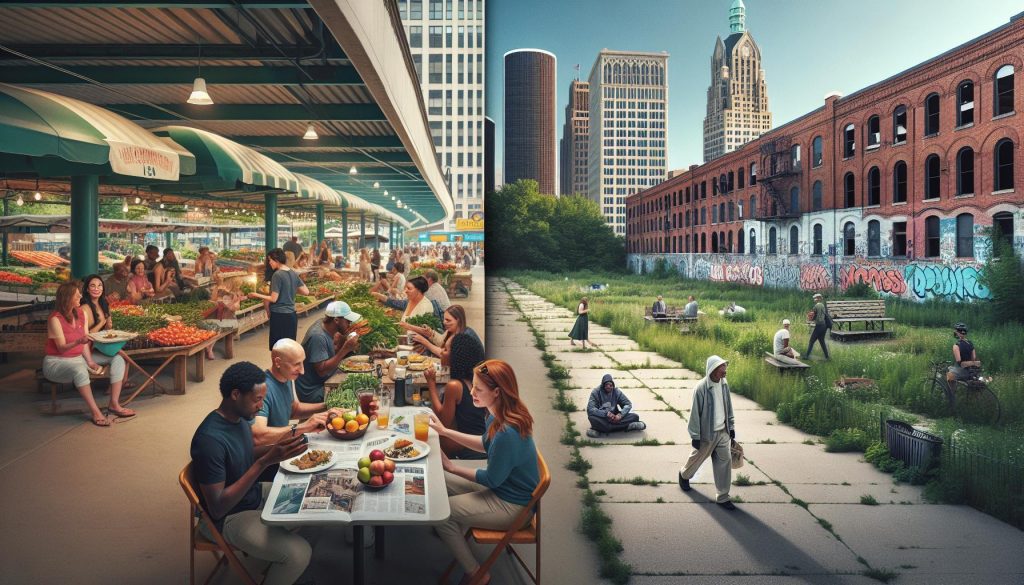
Detroit, once a symbol of American innovation and industry, has transformed significantly, offering both exciting opportunities and daunting challenges for its residents. Whether you’re considering a move or already calling the Motor City home, understanding the pros and cons of living in Detroit is crucial. With a unique blend of cultural richness and historical complexities, this city calls for careful reflection on what it offers- vibrant arts, lower living costs, and a passionate community juxtaposed with economic hurdles and urban challenges. By delving into this exploration, you’ll gain valuable insights that not only empower your decision but also guide your expectations and aspirations in navigating life in Detroit. So, let’s uncover the realities of this dynamic city together!
Living in Detroit: An Overview of the City’s Appeal

Living in Detroit presents a unique blend of opportunities and challenges, making it a city that continually evolves while retaining its rich historical and cultural identity. As the largest city in Michigan, Detroit is renowned for its pivotal role in the automotive industry and its diverse neighborhoods, each offering distinct characteristics that appeal to various lifestyles. Whether you are drawn by the vibrant art scene, the burgeoning food culture, or the deep-rooted music history, there’s a compelling reason to consider what this city has to offer.
One of the most appealing aspects of Detroit is its affordability compared to other major U.S. cities. Housing prices are significantly lower, making it easier for new residents to find homes that suit their budget without sacrificing quality of life. In addition to affordability, Detroit is undergoing a transformation, with revitalization efforts bringing new businesses, restaurants, and entertainment venues to the forefront. This resurgence is supported by local initiatives aimed at fostering community engagement and economic growth, providing not only job opportunities but also avenues for residents to get involved and invest in their own neighborhoods.
However, alongside these appealing factors, prospective residents should be mindful of the challenges that can accompany life in Detroit. Although there have been improvements in safety and crime rates, some areas still grapple with these issues, necessitating careful research into neighborhoods. It is also important to recognize that while public services and amenities are expanding, disparities in access and quality still exist, particularly in education and public transport. Understanding these dynamics can empower residents to make informed decisions that align with their needs and aspirations.
Ultimately, Detroit’s charm lies in its resilience and the spirit of its communities. Engaging with local organizations and participating in community events can provide a deeper understanding of the city’s evolution and help newcomers feel more integrated into their new environment. For those willing to navigate its complexities, living in Detroit can offer not only a place to call home but also an opportunity to be part of a city with a rich narrative and a promising future.
The Positive Aspects of Living in Detroit
Detroit, often perceived through the lens of its industrial past, is evolving into a vibrant hub that offers a unique lifestyle for its residents. One of the standout features of living in Detroit is the affordability of housing. Unlike many major U.S. cities where soaring rents can feel insurmountable, Detroit presents a refreshing contrast. The average home price is significantly lower, allowing newcomers and families to purchase homes that fit their budgets without sacrificing space or comfort. This affordability not only makes homeownership a feasible goal but also empowers residents to invest in their properties and communities.
In addition to economic benefits, Detroit’s culture and community spirit offer rich rewards. The city is renowned for its artistic contributions, from the Motown sound to a thriving contemporary art scene. Residents can immerse themselves in various cultural activities, including music festivals, art exhibits, and theatrical performances. Events like the Detroit Jazz Festival and the annual Detroit Auto Show showcase the city’s diverse interests, fostering a sense of pride among its inhabitants. Engaging with local art and cultural initiatives not only enriches the lives of residents but also strengthens community bonds, making it easier for newcomers to integrate and feel welcomed.
Moreover, Detroit is undergoing a resurgence, driven by revitalization efforts that are attracting businesses and new residents alike. The downtown area, once characterized by vacant buildings, is now bustling with new restaurants, shops, and startups. Local initiatives have focused on fostering community engagement, promoting entrepreneurship, and enhancing local amenities. This focus on growth creates numerous job opportunities, especially in sectors like technology, healthcare, and manufacturing, which are essential for building a stable economic foundation.
To navigate these benefits effectively, potential residents can take advantage of various resources available for newcomers. From local community organizations to workshops aimed at fostering business development, Detroit is rich with opportunities for involvement. Engaging with these resources not only helps residents acclimate but also allows them to contribute to the ongoing narrative of the city. With its combination of affordability, cultural richness, and community resilience, Detroit holds a wealth of possibilities for those willing to make it their home.
Exploring the Challenges of Life in Detroit

Living in Detroit comes with its own set of challenges that potential residents should consider before making a decision to move. While the city is undergoing significant revitalization, issues such as economic inequality, crime rates, and infrastructure problems persist, adding layers of complexity to the experience of living here.
One of the primary concerns is the economic disparity that exists across different neighborhoods. Although there are areas of growth and opportunity, many residents still face high unemployment rates and limited access to quality jobs. Potential newcomers should research the job market specific to their desired area, understanding that while sectors like technology and healthcare are growing, not all neighborhoods enjoy the same level of economic progress. For example, while downtown Detroit is bustling with new businesses, outskirts of the city still grapple with economic stagnation.
Crime is another factor that contributes to the challenges of life in Detroit. While the city has seen a reduction in overall crime rates in recent years, certain areas still experience higher crime levels than the national average. It is crucial for residents to evaluate local crime statistics and seek neighborhoods known for safety. Resources like neighborhood watch programs and community police initiatives can also be beneficial for creating safer living environments.
Infrastructure is an additional hurdle that residents may face. Public transportation options can be limited, making it challenging for those without a personal vehicle to commute to work or access essential services. Investing in reliable transportation, whether it be a car or utilizing rideshare services, may be necessary. Additionally, the city’s aging roadways and public facilities can impact daily life, which some residents find frustrating.
Lastly, it’s important for newcomers to consider the emotional impact of living in a city with a complex history such as Detroit’s. Connecting with community groups and engaging in local events can foster a sense of belonging, helping to build supportive networks. Organizations like the Detroit Urban League focus on community development and can provide valuable resources for those navigating these challenges.
In summary, while Detroit offers unique opportunities and a vibrant cultural scene, potential residents should approach the city with an awareness of the obstacles that may influence their experience. By preparing and engaging with community resources, those who choose to call Detroit home can better navigate its challenges and contribute to the city’s ongoing revival.
Cost of Living: Is Detroit Affordable?
Living in Detroit can represent an affordable choice for many people, especially compared to other major U.S. cities. The cost of living is one of the factors that attract new residents, as housing prices are significantly lower than the national average. As of 2025, the median home price in Detroit hovers around $60,000, a fraction of what you would pay in cities like Chicago or New York. Renting is also budget-friendly, with average rents for one-bedroom apartments ranging from $800 to $1,200 depending on the neighborhood, making it a viable option for individuals or young families looking to stretch their dollars.
However, affordability must be weighed against local income levels. While housing is cheaper, the median household income in Detroit is lower than the national average, which can pose challenges for residents in terms of savings and discretionary spending. Many families may find it essential to create detailed budgets to manage costs effectively. Utilizing local resources like financial planning workshops can also help residents navigate their finances more comfortably.
Utilities and Living Expenses
Another essential aspect to consider is the cost of utilities, which varies by area. Expect monthly utility bills (electricity, heating, cooling, water, and garbage) to average around $200, depending on the size of your home and your usage. Additionally, transportation can be a critical cost; while some areas may have limited public transportation, others may necessitate owning a vehicle, impacting overall affordability.
When evaluating total living expenses, newcomers can benefit from considering programs that provide assistance. For instance, the Detroit Housing Commission administers several programs that help low-income families, such as Section 8, which offers housing vouchers allowing recipients to pay only a portion of rent based on their income. Checking eligibility for such programs could provide significant financial relief when settling into the city.
Understanding Taxes and Assistance Programs
It’s essential for residents to understand the local tax structure, which can affect overall affordability. Detroit has a city income tax of 2.4% for residents, lower than some nearby municipalities. On the flip side, sales taxes and property taxes in Michigan may be higher than in other states, so budgeting for these taxes is crucial.
To make an informed decision about living in Detroit, potential residents should take advantage of tools for evaluating costs. There are numerous online calculators that estimate total living expenses based on income, housing, and lifestyle choices, assisting individuals in determining whether the city aligns with their financial goals.
Being mindful of these factors can empower prospective residents to embrace the affordability of Detroit while making well-informed decisions that align with their lifestyle and financial stability. By leveraging available resources and remaining proactive in their planning, newcomers can thrive in their new environment.
Neighborhoods to Consider: The Best Areas in Detroit
Discovering the right neighborhood in Detroit can feel like finding a hidden treasure in a sprawling city full of vibrant communities, each with its own character and charm. From the bustling energy of downtown to the serene tree-lined streets of suburbia, every corner of Detroit presents unique living experiences. Understanding the best areas to consider is crucial for anyone looking to make an informed decision about calling this city home.
Among the standout neighborhoods is Midtown, a cultural hub that houses the Detroit Institute of Arts and a variety of trendy eateries. This area has seen significant revitalization and offers a mix of historic architecture and modern living spaces, appealing to young professionals and families alike. With a focus on community and accessibility, Midtown also favors public transportation, making commuting easier for residents.
Another notable option is Corktown, one of Detroit’s oldest neighborhoods, known for its rich history and unique local businesses. Residents here enjoy a tight-knit community atmosphere, with many homes reflecting the area’s Victorian and Irish heritage. The revival of Corktown includes new restaurants and shops, creating a welcoming space for newcomers looking for a blend of tradition and modern convenience.
Brooklyn, nestled on the outskirts of the city, presents an affordable alternative for families seeking more green space and quieter surroundings. Known for good schools and a strong community spirit, this neighborhood offers resources for families, including parks and recreational programs, making it a desired location for those valuing both affordability and community engagement.
For those interested in a more urban lifestyle, Downtown Detroit has undergone a renaissance, with a growing number of high-rise apartments and condos catering to young professionals and city lovers. This area provides easy access to entertainment, dining, and employment opportunities, making it an ideal place for individuals who thrive in an active urban environment.
When choosing a neighborhood, consider factors such as affordability, commuting options, local amenities, and the community vibe. Researching online resources, using local maps, and visiting neighborhoods can significantly enhance your decision-making process. Additionally, engaging with current residents through social media groups or local forums can offer authentic insights into living experiences.
Ultimately, evaluating these neighborhoods’ unique qualities will empower you to make a decision that aligns with your lifestyle, budget, and long-term goals in the Motor City.
Employment Opportunities: Job Market Insights
Detroit’s job market is experiencing a transformation, showcasing a diverse array of opportunities for both established professionals and newcomers. The city’s robust resurgence in sectors like technology, healthcare, and manufacturing is driving employment growth, making it an increasingly attractive place for those seeking jobs. Notably, industries such as automotive innovation, which have long defined the city’s economy, continue to evolve, incorporating advancements in electric vehicles and automation, further enhancing job prospects.
Key Sectors and Employment Growth
Detroit’s economy is gradually diversifying, leading to the creation of new jobs across a variety of sectors. Here are some of the key areas to consider:
- Technology: As tech companies invest in Detroit, opportunities in software development, cybersecurity, and data analysis are on the rise. Startups and larger firms are both choosing the city for their headquarters, fostering a vibrant tech community.
- Healthcare: Home to some of the nation’s top hospitals and medical research facilities, Detroit offers numerous roles in healthcare ranging from nursing to administrative positions in health services.
- Manufacturing: Advanced manufacturing, particularly in automotive, remains a cornerstone of Detroit’s economy. There’s a growing focus on sustainable practices and smart manufacturing technology, which is reshaping job roles within the industry.
- Education and Research: With several universities and research institutions, opportunities in education, research, and administration continue to expand, supporting a knowledgeable workforce.
Job Search Tips and Resources
Finding a job in Detroit can be approached strategically. Consider utilizing the following resources:
- Local Job Boards: Websites like LinkedIn Jobs, Indeed, and Glassdoor allow users to explore listings tailored to their skills and industries of interest.
- Networking Events: Engaging with local professional networks and attending events can significantly enhance job prospects. Groups such as the Detroit Regional Chamber host events that bring job seekers and employers together.
- Career Fairs: Regular career fairs hosted in the city are excellent opportunities to meet various employers and learn more about available positions directly.
By leveraging these resources and focusing on growing industries, job seekers can navigate Detroit’s evolving employment landscape with confidence. This city is not just about its history; the opportunities that are blossoming within its reclaimed neighborhoods provide newcomers with a promising outlook for their professional futures.
Education in Detroit: School Performance and Options
Education in Detroit boasts a mix of traditional public schools, charter schools, and private institutions, creating a landscape where families have diverse options tailored to their children’s needs. Understanding the educational system in Detroit can be pivotal for those considering a move to the city or evaluating its appeal for prospective residents. While there are challenges, such as disparities in school funding and performance, the dedicated efforts of educators and communities striving for improvement provide hope for positive change.
Parents have access to numerous resources for evaluating schools, including the Michigan Department of Education’s School Index, which rates schools based on performance metrics such as standardized test scores and student growth. This data can prove invaluable in making informed choices, particularly when considering neighborhoods with top-rated schools or specialized programs. In addition to this, various community organizations offer school review platforms and support for navigating the educational options available, helping families feel empowered in their decision-making process.
The charter school movement in Detroit has also brought about an increase in school choices, with many charter schools focusing on specific learning philosophies or curriculums, such as STEM (Science, Technology, Engineering, and Math) education. Some notable charter schools include the Detroit Achievement Academy and the Cornerstone Schools. Private institutions, including well-regarded options like the University of Detroit Jesuit High School, often have the resources to provide smaller class sizes and advanced programs, though tuition costs can be a consideration for families.
For families with young children, early childhood education is an essential aspect to explore, with options ranging from public pre-K programs to private preschool settings. Detroit has made strides in expanding access to quality early education, as studies continue to show its critical role in setting the foundation for future academic success.
Ultimately, when evaluating the educational landscape in Detroit, it’s advantageous for families to assess not only the performance metrics of schools but also the community involvement and support systems surrounding these institutions. Engaging with local parent groups and attending school open houses can provide deeper insights into the best environments for children to thrive academically and socially.
Transportation in Detroit: Getting Around the City
Navigating transportation in Detroit can significantly influence one’s experience of the city, especially for those unfamiliar with it. With its vast landscape and historical infrastructure, getting from point A to point B may seem challenging, yet there are various options tailored to meet different needs and preferences. Understanding the transportation landscape can empower potential residents to make informed decisions about their daily commutes and overall mobility around the city.
Public Transit Options
Detroit’s public transportation system is primarily managed by the Detroit Department of Transportation (DDOT) and the Suburban Mobility Authority for Regional Transportation (SMART). The DDOT operates several bus routes throughout the city, providing reliable service to key areas, including downtown, neighborhoods, and commercial districts. For those commuting from suburbs, SMART offers additional routes that connect with DDOT services, allowing for easier access to the city center.
Ride-Sharing and Alternative Transportation
In addition to public transit, ride-sharing services like Uber and Lyft have gained popularity in Detroit, offering flexibility and convenience, particularly during late hours when public transit options may be limited. Biking has also become an increasingly viable option, thanks to the development of bike lanes and rental programs such as MoGo, which allows residents to rent bikes at various stations throughout the city.
For more adventurous transportation, the QLine streetcar runs along Woodward Avenue, linking key locations such as the Detroit Riverwalk to the North End, and offers an enjoyable way to see the city while traveling between popular attractions. This mode of transport encourages both tourists and residents to explore local restaurants, shops, and cultural sites.
Driving in Detroit
For those who prefer the independence of driving, it is essential to consider the availability of parking and the general traffic conditions. Detroit has many parking facilities, both public and private, available for use, although costs may vary widely. Keep in mind that construction and major events can impact traffic flow, necessitating the use of navigation apps to avoid congestion.
The accessibility of major highways, such as I-75 and I-94, provides residents with important routes for commuting both within the city and to neighboring areas. However, a driver’s experience may also depend on their familiarity with Detroit’s roads, which can be less intuitive due to the city’s unique layout and historical road planning.
Conclusion
Ultimately, Detroit’s transportation options offer a range of choices suited to various lifestyles and preferences. Whether utilizing public transit, opting for ride-sharing, biking, or driving, understanding these avenues can significantly enhance daily living in this vibrant city. By exploring these transportation methods, residents can engage more fully with their surroundings, exploring everything that Detroit has to offer while navigating its complexities with confidence.
Safety and Crime Rates: What to Expect
When considering life in Detroit, understanding safety and crime rates is crucial, as these aspects significantly impact residents’ daily experiences. Detroit has faced numerous challenges regarding crime, leading to perceptions that may deter potential residents. However, it’s important to look beyond headlines and explore the realities of safety in various neighborhoods.
Statistics reveal that while Detroit does have a higher overall crime rate compared to national averages, recent trends indicate improvements in several areas. Many communities are seeing a decline in violent crime, and local efforts aimed at revitalization and community policing have fostered safer environments. For instance, neighborhoods like Midtown and Corktown have become vibrant hubs with engaged residents and local businesses, enhancing their safety and appeal.
To better assess safety, prospective residents should consider the following practical steps:
- Research specific neighborhoods: Utilize online crime mapping tools and local databases to understand crime patterns and statistics in particular areas. Resources like NeighborhoodScout and the Detroit Police Department’s crime statistics can provide valuable insights.
- Visit neighborhoods: Spending time in the areas you’re considering can help gauge the community vibe and sense of safety. Engage with local residents, visit shops, and explore parks to get a feel for daily life.
- Connect with local groups: Online forums and community organizations can offer firsthand accounts of neighborhood safety and community dynamics. Websites like Reddit’s r/Detroit provide platforms for current residents to share their experiences and tips.
- Stay informed: Keep up with local news and community resources focused on public safety initiatives. Understanding ongoing efforts to improve safety can empower residents to become actively involved.
While concerns about safety are valid, many areas in Detroit are actively transforming into safe, thriving communities. By approaching this aspect with an informed and proactive mindset, future residents can navigate the complexities of life in Detroit while finding neighborhoods that align with their safety needs and lifestyle preferences.
Cultural and Recreational Activities: What Detroit Offers
Detroit is a city rich in history and culture, making it a vibrant place for residents to explore diverse recreational activities. From the historic Motown sound that shaped American music to a thriving arts scene, there’s always something to engage with. The Detroit Institute of Arts boasts an impressive collection, including Diego Rivera’s murals, which reflects the city’s cultural significance. Furthermore, the annual Detroit Jazz Festival draws music lovers from across the country, showcasing both established and emerging talent.
The city’s neighborhoods offer unique experiences, providing venues for various cultural events that celebrate its diversity. Local festivals, such as the Detroit Electronic Music Festival (DEMF) and the Detroit Free Press Film Festival, highlight the city’s creativity and innovation while bringing communities together. Parks and public spaces, like Belle Isle and the Detroit Riverwalk, serve as hubs for outdoor activities and social gatherings, enriching community life.
For families and new residents, Detroit also hosts numerous community centers and organizations that provide recreational activities for all ages. Check out venues like the TCF Center for conventions or the Fox Theatre for a riveting Broadway show. Engaging with community boards and local social media groups can also unveil hidden gems, such as art walks, food festivals, and sporting events, ensuring there’s never a dull moment in this evolving city.
Ultimately, whether you’re an art enthusiast, a music lover, or someone who enjoys outdoor activities, Detroit’s cultural and recreational offerings promise an enriching lifestyle. Embracing city life goes beyond enjoying its attractions; it’s about becoming a part of a community that values culture, creativity, and connection.
Community and Lifestyle: The Social Fabric of Detroit
Living in Detroit offers residents a rich tapestry of community and lifestyle that reflects both the resilience and the vibrant spirit of its people. The city, once known as the motor capital of the world, has evolved into a hub of creativity and inclusiveness. With its diverse neighborhoods, each with distinct characteristics, residents find themselves in various cultural ecosystems that foster community engagement and belonging.
Local organizations and community initiatives play a significant role in weaving the social fabric of Detroit. Volunteering opportunities abound, from working with food banks to participating in neighborhood clean-up days. Many residents are invested in revitalizing their communities and building connections that bridge generational and cultural gaps. The city’s annual events, such as the Detroit Festival of the Arts and various cultural parades, celebrate local heritage and invite participation, drawing residents together to share their stories and traditions.
In addition to fostering local pride, Detroit’s community spirit is palpable in the city’s growing movement towards sustainable living and cooperative business models. Initiatives like urban gardens and local farmer’s markets not only enhance food security but also provide spaces for neighbors to collaborate and socialize. This grassroots approach ensures that every resident can contribute to and benefit from the local economy, reinforcing the notion that community is not just about where you live, but how you interact and grow with those around you.
Detroit’s unique blend of history and modernity creates a landscape where residents can engage deeply with art, music, and culinary diversity-each element contributing to a fuller understanding of the city as a whole. Engaging with local artists, attending performances, and supporting local eateries allow residents to experience and shape the cultural narrative of their city, making it a living, breathing community rich with opportunity and hope.
Future Growth and Development: Detroit’s Evolution
Living in Detroit offers an ever-evolving chance to be part of a transformative journey. The city’s recent revitalization has captured the attention of both residents and potential newcomers, igniting interest in its growth prospects. With significant investments in infrastructure, technology, and community programs, Detroit is working towards becoming a vibrant, resilient city that meets the needs of its residents while attracting new opportunities.
Amidst ongoing developments, several key areas are sparking growth. Neighborhoods that once faced decline are now hubs for innovation, thanks to community-led initiatives and partnerships with private developers. For example, areas like Corktown and Midtown have seen a surge in new businesses and amenities, including cafes, art galleries, and tech startups. These investments not only create jobs but also enhance the overall quality of life, making these neighborhoods particularly attractive for young professionals and families looking for a supportive community.
Investment in Education and Training
Recognizing the importance of education in fostering long-term growth, Detroit is investing in educational initiatives that equip residents with the skills needed for emerging job sectors. Institutions like the Detroit Promise program offer free community college tuition for eligible high school graduates, aiming to boost higher education levels and enhance the local workforce. This focus on education not only benefits individuals but also strengthens the community by creating a more skilled and employable population.
Community and Public Space Revitalization
The city’s commitment to enhancing public spaces is another pivotal aspect of its evolution. Projects such as the Detroit Riverwalk and improvements in local parks are designed to promote community engagement and enhance recreational offerings. These spaces not only beautify the city but also serve as venues for festivals, markets, and community gatherings, fostering a sense of belonging among residents.
Detroit’s future shines brightly as grassroots movements and large-scale developments coalesce to create a dynamic urban landscape that honors its past while looking forward. The city’s evolution is driven by its residents’ resilience and creativity, providing ample opportunities for involvement and investment. Whether you are considering relocating or simply want to engage with a community in transformation, Detroit presents a unique blend of challenges and rewards that can help shape a promising future for all involved.
Q&A
Q: What are the housing options like in Detroit for new residents?
A: Housing options in Detroit vary widely, from affordable single-family homes to luxurious apartments in vibrant neighborhoods. Popular areas include Midtown and Corktown. It’s essential to consider factors like proximity to work and amenities when choosing where to live. For detailed insights, check the article section on Neighborhoods to Consider.
Q: How does Detroit’s nightlife compare to other major cities?
A: Detroit’s nightlife is diverse, featuring everything from upscale bars and nightclubs to local music scenes and food festivals. Neighborhoods like Greektown and Downtown offer a vibrant atmosphere. Explore cultural events and live music for a unique experience that sets Detroit apart. Refer to the Cultural and Recreational Activities section for more details.
Q: Is public transportation in Detroit efficient for daily commuting?
A: Public transportation in Detroit has improved, with options like the QLINE streetcar and SMART bus system. While it may not be as extensive as in other cities, it can be convenient for commuting to key areas. Evaluate your route options before deciding to rely solely on public transport. For more on getting around, see the Transportation in Detroit section.
Q: What is the local culture like in Detroit?
A: Detroit is rich in cultural heritage, known for its music, art, and community events. The city’s history influences its vibrant arts scene, particularly in genres like Motown and techno. Engage with local festivals and museums to fully appreciate Detroit’s unique identity. Check out the Community and Lifestyle section for further engagement opportunities.
Q: Are there good healthcare facilities available in Detroit?
A: Yes, Detroit offers several reputable healthcare facilities, including the Henry Ford Health System and Detroit Medical Center. Access to quality healthcare services is essential for residents, ensuring comprehensive medical support. For more on essential services, visit the article’s section on Community and Lifestyle.
Q: What should newcomers know about Detroit’s weather?
A: Detroit experiences four distinct seasons, with cold winters often bringing snow and warm summers. Prepare for seasonal changes, and invest in appropriate clothing to enjoy outdoor activities year-round. This climate impacts lifestyle choices, so be sure to consider it when relocating.
Q: How does Detroit’s education system perform compared to other cities?
A: Detroit’s education system includes a mix of public, charter, and private schools, with varying performance levels. Research schools in your desired neighborhood to find quality education options. Resources like greatschools.org can provide detailed ratings and comparisons. Explore the Education in Detroit section for further insights.
Q: What are some tips for networking in Detroit?
A: To successfully network in Detroit, attend local events, workshops, or community gatherings. Leverage platforms like LinkedIn and join local business organizations to connect with professionals. Building relationships is crucial for career advancements and community integration. Check out the article on Employment Opportunities for more networking tips.
Insights and Conclusions
As you weigh the pros and cons of living in Detroit, remember that informed choices are empowering. Whether it’s the vibrant culture or the economic opportunities, understanding the landscape of this city can help you thrive. For those ready to make the leap, it’s crucial to explore housing options available, including programs like Section 8, which can assist with affordable living. Curious about the best neighborhoods or financial support resources? Check out our guides on affordable living in Detroit and local community resources to enhance your knowledge.
Don’t miss your chance to stay updated-subscribe to our newsletter for ongoing insights and tips tailored to navigating life in Detroit. Engage with us in the comments below; we’d love to hear your thoughts on what matters most in your decision-making process. Your journey begins now! Together, we can share valuable information, address any lingering questions you might have, and build a thriving community of informed residents ready to embrace all Detroit has to offer.
Get our latest guides, news, and insights highlighted in your Google Search & AI Overviews.