Did you know that Japan has approximately 9 million vacant homes, many of which are available for free through initiatives like Akiya Banks? This unique situation arises from factors such as rural depopulation and shifting demographic trends. For those seeking affordable housing options, the concept of “akiya” offers a remarkable solution. Imagine relocating to a tranquil countryside retreat or a charming traditional home without the burden of high costs. Whether you’re interested in investment opportunities or a new lifestyle, understanding Akiya Bank programs can unlock doors to these hidden gems. As you continue reading, you’ll discover how these initiatives not only address housing shortages but also promote community revitalization, making them a win-win for everyone involved. Get ready to explore the possibilities of finding your dream home in Japan’s vast landscape of vacant houses!
Understanding Akiya Banks: A New Housing Solution in Japan
In recent years, Akiya banks have emerged as a vital resource for addressing Japan’s growing problem of vacant homes. With over 8 million properties sitting empty, the government has created these databases to connect potential buyers with abandoned or unoccupied houses across the country, turning a troubling situation into a unique housing opportunity. Akiya banks help facilitate the sale or transfer of these properties, often at significantly lower prices than the market average, thanks to their neglected state and the desire of local governments to revitalize communities.
Akiya banks operate with the intention of not merely selling houses but revitalizing rural areas that have seen a decline in population. These platforms simplify the process for individuals, especially foreigners, looking to purchase property in Japan without having to navigate the language barrier. English-speaking websites, like Akiya-Mart and Akiya Japan, provide listings and information on available properties, making it easier for international buyers to explore these unique housing options. Such initiatives reflect a broader trend of encouraging new residents to settle in rural Japan, which can breathe new life into these communities and preserve their cultural heritage.
Buyers can benefit greatly from this housing solution, not only finding affordable places to live but also participating in community efforts to rejuvenate neighborhoods. Many Akiya properties require renovation, presenting an opportunity for creativity and personal expression while also contributing to the local economy through contracting and building services. Furthermore, local governments often offer financial incentives, such as subsidies and grants, to assist new homeowners in navigating the costs associated with repairs and renovations, making this a viable option for many looking to start anew in Japan.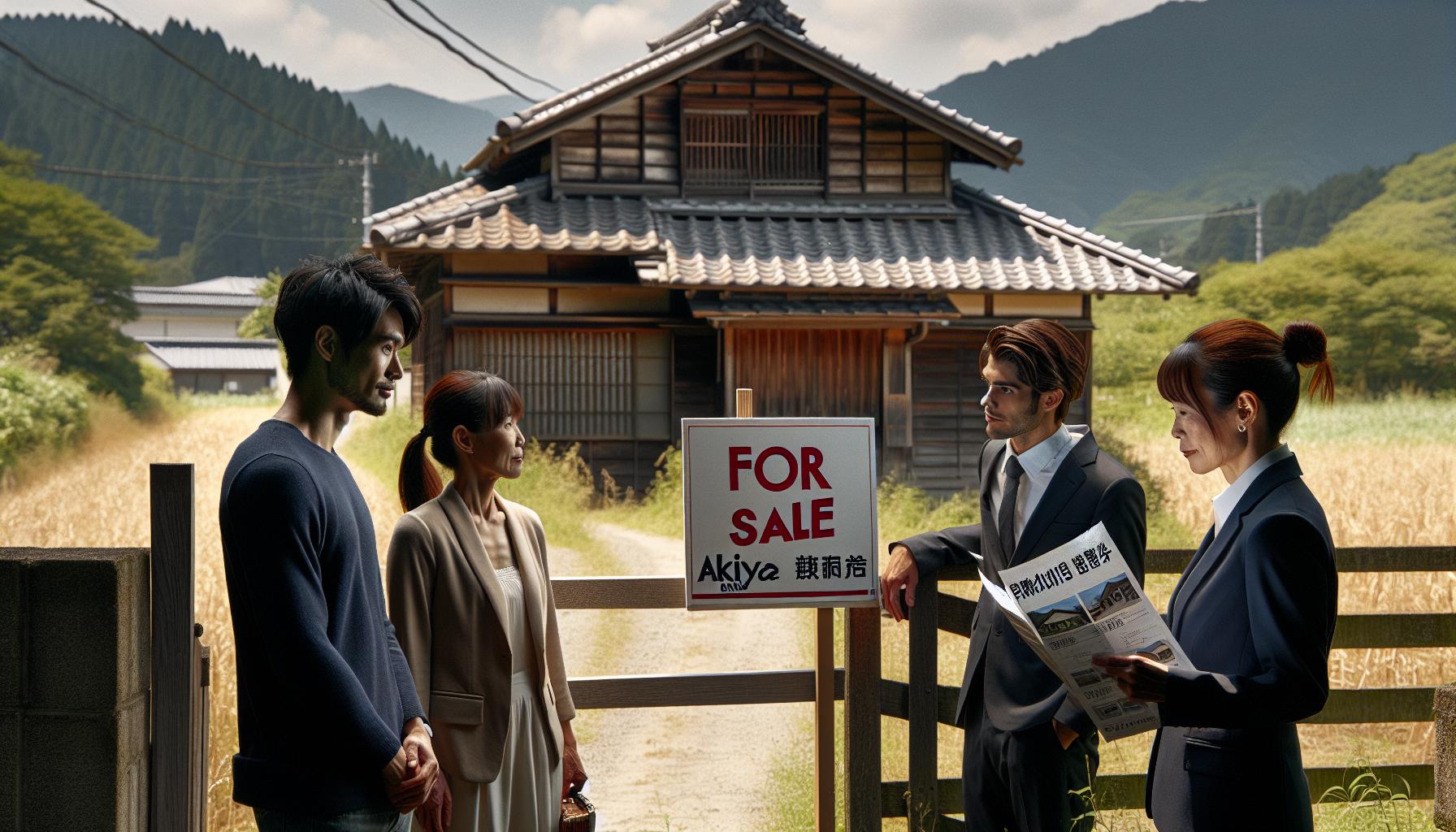
Why Japan Has Vacant Homes: Causes and Impacts
In Japan, the phenomenon of vacant homes-known as akiya-has reached staggering levels, with estimates suggesting that over 8 million properties are currently unoccupied. This situation stems from a combination of demographic shifts, economic factors, and cultural trends. As rural areas face declining populations due to urban migration and an aging citizenry, many homes are left behind, contributing to a growing inventory of properties that not only deteriorate but also pose challenges to local economies and communities.
Among the primary causes is Japan’s declining birthrate and increasing life expectancy. Many young people leave their hometowns for better job opportunities in cities, leading to ghost towns where homes once filled with families now stand empty. Additionally, the culturally ingrained practice of inheriting family homes can result in properties being passed down through generations, even when heirs do not wish to maintain them. This is particularly true in rural areas, where the lack of infrastructure and services can discourage new residents, creating a vicious cycle of abandonment.
The impacts of these vacant homes are multifaceted. Economically, they can depress property values and burden local governments with maintenance costs. Communities suffer as the character and cohesion dwindle, leading to increased crime rates and decreased safety. However, this situation also presents a unique opportunity for regeneration. Akiya banks act as a bridge, connecting potential buyers-especially foreigners seeking affordable living options-with these underutilized properties. By revitalizing these homes, new residents can contribute to community renewal, infusing life into areas that have struggled with depopulation.
Despite the challenges associated with vacant homes, understanding the underlying causes equips prospective buyers and investors with the insight needed to navigate this landscape. By participating in the revival of akiya properties, individuals not only secure affordable housing but also play a pivotal role in restoring the vibrancy of Japan’s rural communities.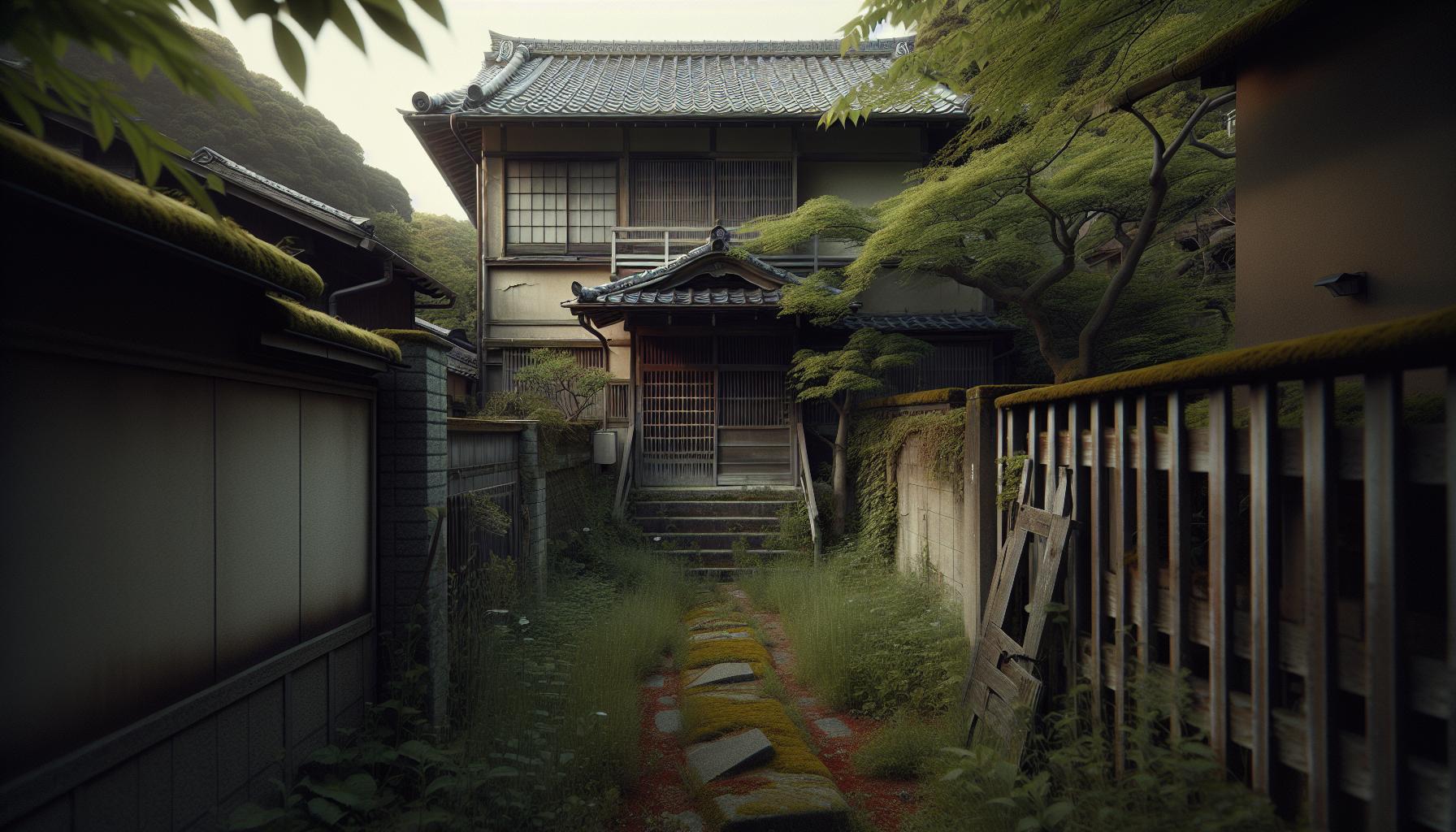
Exploring Akiya Bank Opportunities for Buyers
In Japan, the availability of akiya banks presents an unprecedented opportunity for buyers seeking unique and affordable homes. These banks are platforms that list vacant homes across the country, offering a multitude of properties often at very low prices or even for free. For individuals looking to make a fresh start in a different cultural landscape or those keen on investing in real estate, the options provided by akiya banks can be both enticing and accessible. Imagine purchasing a traditional Japanese home in a quaint rural setting, revitalizing it, and immersing yourself in a community that values both tradition and new beginnings.
Navigating the akiya bank landscape starts with understanding what these listings offer. Buyers can utilize various online databases, such as the comprehensive directories found on platforms like Old Houses Japan and Akiya Banks, which curate akiya listings by region and provide insights into the properties available [[2]] [[3]]. Many homes require renovation, but the relatively low acquisition costs and potential government incentives for restoration make these projects not only feasible but also rewarding. New homeowners can rejuvenate these once-abandoned spaces, breathing life into them while possibly benefiting from any local subsidies aimed at encouraging renovation in depopulating areas.
Before diving into the application process, it’s key to assess eligibility, which can vary by municipality. While some towns prioritize younger buyers or families looking for a primary residence, others might welcome anyone interested in revitalizing the property. It’s advisable to check local regulations and eligibility criteria, which are usually listed on the akiya bank websites or municipal portals [[1]]. By preparing a checklist of necessary qualifications and gathering essential documentation, potential buyers can streamline their application process and enhance their chances of finding the right property.
Engaging with the local community can significantly enrich the homebuying experience. Many akiya banks encourage buyers to not only purchase homes but also actively participate in community events and initiatives. This connection fosters a sense of belonging, which is essential in rural areas that might be facing challenges related to depopulation and economic shifts. Not only can new residents enjoy picturesque surroundings and a tranquil lifestyle, but they can also contribute to community revitalization efforts, making their journey as buyers a mutually beneficial partnership with long-standing residents.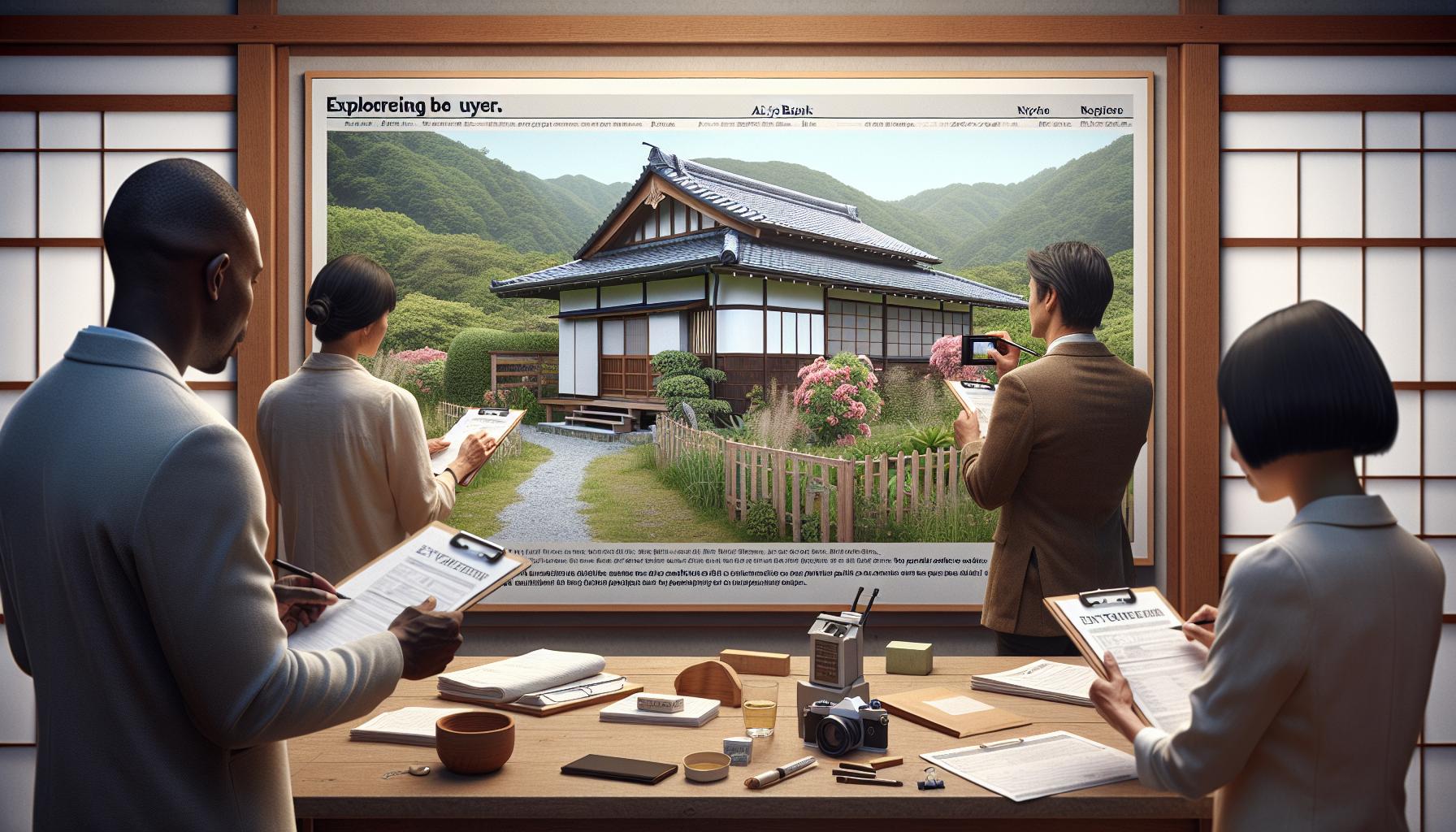
Eligibility Criteria: Who Can Apply for Free Houses?
In Japan, the prospect of acquiring vacant homes through akiya banks is both exciting and accessible, boasting various eligibility criteria that can empower a wide range of buyers. Generally, these criteria are established by local municipalities and can vary significantly based on the region. Most banks promote the revitalization of communities by offering houses at little to no cost to individuals or families committed to restoring these properties.
Many towns prioritize residents who are looking for a primary residence, particularly those who agree to live in the home full-time. Others may have age stipulations, focusing on younger buyers or families, which is aimed at combating the aging population in rural areas. Some municipalities might also seek candidates who demonstrate a genuine desire to engage with the community, further contributing to local life and economic sustainability. As such, prospective buyers should take the time to research the specific requirements of each akiya bank they are interested in.
To aid applicants in assessing their eligibility, it’s useful to compile a simple checklist of potential requirements:
- Residency Commitment: Willingness to occupy the house as a primary residence.
- Age Limits: Some areas prefer buyers who are younger (often under 40 or 50).
- Community Involvement: Interest in participating in local initiatives and events.
- Financial Capacity: Ability to fund renovations or repairs, although some government support may be available.
For those considering this opportunity, checking local akiya bank websites and municipal resources is advised. Many provide clear eligibility criteria and guidelines for potential applicants. Understanding what specific programs or benefits might be available can greatly enhance your chances of successful acquisition of a home in Japan. By aligning your expectations and preparations with these criteria, you can open the door to exciting new beginnings in Japan’s unique real estate landscape.
The Application Process: Step-by-Step Guide
Navigating the process of acquiring a vacant home through an akiya bank can be a transformative journey, promising new beginnings in a unique cultural landscape. With a clear framework in place, prospective homeowners can approach the application process with confidence and a well-prepared mindset.
First, conduct thorough research on the specific akiya banks in your desired area. Each municipality operates its own program, and that means application requirements can vary significantly based on location. Most akiya bank websites will provide essential information about available properties, criteria for eligibility, and any deadlines to be mindful of. It’s prudent to create a list of potential banks to contact and bookmark their websites.
Once you’ve identified the akiya banks of interest, it’s time to prepare your application. Gather all necessary documents, such as proof of residency, identification, and financial statements. Some banks might request information regarding your intentions for the property, including any renovation plans or community involvement you envision. This helps demonstrate your commitment to restoring the house and integrating into the local community, which many municipalities highly value.
Next, familiarize yourself with the specific application steps outlined by the akiya banks:
- Submit an Inquiry: Start by reaching out via email or phone to express your interest and ask specific questions about the application process.
- Complete the Application Form: Fill out the required form, ensuring all information is accurate. This form often gathers basic personal information, your intent for the property, and any relevant financial details.
- Submit Supporting Documents: Attach your supporting documents, such as proof of employment or other sources of income, to your application.
- Attend an Interview: Some municipalities may require an in-person or virtual interview to discuss your interest and plans for the house.
- Review and Approval: After submitting your application, brace yourself for a waiting period during which the city will evaluate your candidacy based on eligibility requirements and community needs.
- Finalize the Purchase: If approved, you’ll proceed to finalize the necessary paperwork. This could include signing contracts and discussing any terms regarding the property.
Keep in mind that patience is crucial during this process, as the review period can vary widely. Following these steps not only enhances your chances of successfully obtaining a vacant home through an akiya bank but also positions you as an engaged and responsible community member ready to contribute positively to your new neighborhood.
Success Stories: Real People Benefiting from Akiya Programs
While many people see vacant homes as a problem, others view them as incredible opportunities. Across Japan, numerous individuals and families have taken advantage of akiya bank programs, transforming abandoned houses into delightful homes while also revitalizing rural communities. One remarkable story is that of a young couple from Tokyo who decided to switch their bustling city life for a quieter existence in a rural town through an akiya program. After exploring various options, they found a charming but dilapidated property listed in a local akiya bank. With determination and a vision, they began restoring the home, turning it into a lively, warm space where they could raise their family.
In another inspiring example, a retired single mother moved to the countryside, excited by the prospect of affordable living. Through an akiya bank, she secured a spacious house at almost no cost. She poured her efforts into renovation, even transforming her garden into a flourishing vegetable patch. Not only did this experience provide her with a home, but it also helped her forge connections within the community, participating in local events and overcoming feelings of isolation.
These success stories often echo a common theme: individuals are not merely restoring homes; they are also reinvigorating the neighborhoods where they settle. By taking on renovations, new homeowners show a commitment to their surroundings and contribute to community sustainability. They help slow the decline of rural areas, effectively creating a ripple effect that enhances property values and fosters social bonds among residents.
While the journey can be challenging, numerous resources and support systems are available through local governments and community organizations. Those interested in following in the footsteps of these successful applicants should research local akiya banks, connect with previous beneficiaries, and consider how they can contribute positively to their new neighborhoods. Embracing the adventure of rural living can be fulfilling both personally and communally-turning a house into a home is just the beginning.
Challenges in Akiya Bank Housing: What to Expect
The allure of obtaining a home at little to no cost may draw many to Japan’s akiya bank system, but prospective buyers should brace themselves for various challenges that accompany these opportunities. Though the idea of transforming a vacant house into a cozy home is exciting, the reality often involves significant hurdles that require careful consideration and preparation.
One of the primary challenges is the physical condition of the properties. Many akiya homes have been abandoned for years, resulting in varying degrees of disrepair. Buyers must be prepared for possible issues, including structural damage, outdated plumbing and electrical systems, and pest infestations. Home inspections before purchase are critical; however, they may not always be accessible. Engaging with local contractors early in the process can provide insights into potential renovation costs and necessary repairs.
Another essential consideration is the location and availability of services. Akiya properties are often found in rural areas where access to public transportation, healthcare, and grocery stores may be limited. Moving to a less populated location can mean that your lifestyle will be markedly different, as daily conveniences may require longer travel times. Potential buyers should evaluate the local community’s resources and amenities before making a commitment.
Moreover, navigating the legal and bureaucratic landscape associated with transferring ownership, especially in areas where property laws may vary, can be daunting. Understanding the application process and any potential obligations or restrictions, such as commitments to renovate the home within a certain timeframe, is essential. It’s beneficial to consult with local government offices or legal experts familiar with real estate transactions in Japan.
The time and investment required to restore these homes can be daunting; thus, developing a realistic renovation plan-including budget estimates and a timeline-is crucial. Below is a breakdown of common renovation considerations:
Common Renovation Considerations
| Task | Estimated Cost | Timeframe |
|---|---|---|
| Structural Repairs | $5,000 – $20,000 | 2 – 4 months |
| Plumbing and Electrical Updates | $3,000 – $10,000 | 1 – 3 months |
| Interior Renovation (kitchen, bathrooms) | $10,000 – $30,000 | 4 – 6 months |
| Landscaping and Exterior | $2,000 – $10,000 | 1 – 2 months |
Understanding these challenges equips potential buyers with the foresight to approach akiya bank opportunities judiciously. While the dream of homeownership can become a reality through these programs, it is accompanied by responsibilities and tasks that require attention, patience, and resourcefulness.
Renovation Tips for Akiya Homes: Transforming Vacant Spaces
Transforming an akiya home into a welcoming space can be an incredibly rewarding venture, especially when you’re working with a property that may have seen better days. The key to a successful renovation lies in understanding both the potential and the challenges inherent in these older houses. With a thoughtful approach, you can restore these homes while maintaining their original charm and character.
Start by assessing the property’s current condition thoroughly. This means not only looking for visible signs of damage, such as leaks or cracks, but also considering less obvious issues like electrical wiring and plumbing that may need updates. Here are some essential tips for the renovation process:
Essential Renovation Strategies
- Plan for Professional Help: Depending on the extent of the renovations required, it may be wise to engage with contractors or skilled tradespeople. Early consultations can help you gain insights into what is necessary and feasible.
- Prioritize Updates: Focus initially on critical repairs that affect safety and livability, such as roofing, electrical, and plumbing. Once these are addressed, you can shift focus to aesthetic changes.
- Preserve Historical Elements: Many akiya homes feature unique architectural details. Keep elements like tatami floors, sliding doors (fusuma), and wooden beams where possible, as these can add significant character.
- Incorporate Modern Amenities: While preserving the home’s charm, also consider how to integrate modern conveniences that will enhance your day-to-day living experience, like updated kitchens and bathrooms.
Additionally, understanding local building codes and securing the necessary permits for renovations is crucial. Some areas may have specific regulations regarding historical preservation or modern construction that could impact your plans.
Finally, creating a realistic budget and timeline is essential. Renovations can often take longer and cost more than initially expected, so including a contingency fund of 10-20% in your budget can save stress and financial strain later on. Here’s a simplified look at common renovation tasks and their potential costs:
| Task | Estimated Cost | Timeframe |
|---|---|---|
| Structural Repairs | $5,000 – $20,000 | 2 – 4 months |
| Plumbing and Electrical Updates | $3,000 – $10,000 | 1 – 3 months |
| Interior Renovation (kitchen, bathrooms) | $10,000 – $30,000 | 4 – 6 months |
| Landscaping and Exterior | $2,000 – $10,000 | 1 – 2 months |
With preparation and a positive mindset, your renovation journey can lead to a beautiful home filled with history and personality, offering you a unique dwelling that embodies both your personal style and the rich culture of Japan.
Financial Incentives: Government Support for Akiya Homeowners
In response to the growing issue of vacant homes, the Japanese government has implemented several financial incentives to encourage the sale and renovation of akiya properties. These initiatives aim to revitalize rural communities and make these homes more accessible to potential buyers. For example, many local governments offer subsidies or grants that can significantly reduce the costs associated with purchasing and renovating an akiya house.
One notable program is the Akiya Bank Subsidy Program, where municipalities may provide financial assistance ranging from a few thousand dollars to substantial amounts to cover renovation costs. These funds are typically aimed at specific repairs like plumbing and electrical work, which are essential for making the homes livable. Additionally, some regions may provide tax breaks or exemptions on property taxes for a certain period after the purchase of an akiya, making it financially easier for new homeowners to settle in.
Furthermore, applicants interested in the Kominka (traditional Japanese houses) or other historical properties may qualify for further incentives designed to preserve cultural heritage. Renovation Aid can cover up to 50% of expenses for maintaining architectural integrity, allowing homeowners to restore historical elements while updating their homes for modern living.
To tap into these benefits, buyers should start with a simple checklist of eligibility criteria:
- Residency in the municipality where the akiya is located.
- Commitment to live in the property for a specific duration (often at least five years).
- Budget and detailed renovation plans submitted to the local government.
Potential buyers are encouraged to consult municipal Akiya Banks, where detailed information about available properties, required documentation, and application procedures is typically outlined. Engaging with municipal representatives early on can help clarify the steps needed to apply for financial assistance and ensure homeowners can maximize available resources.
By taking advantage of these financial incentives, individuals looking to purchase and renovate an akiya home can alleviate some financial burdens while playing a part in revitalizing their communities.
Neighborhood Revitalization: Community Impact of Akiya Programs
The revitalization of neighborhoods through Akiya programs is emerging as a beacon of hope for communities grappling with the challenges of depopulation and economic decline. By transforming vacant houses into homes, these initiatives not only tackle the issue of abandoned properties but also foster a sense of community and belonging among residents. With an increasing number of people moving into these forgotten areas, local economies can experience a revitalization, as new residents bring diverse skills, fresh energy, and a demand for local services.
Engaging in these programs often leads to positive social dynamics. As new families and individuals settle in, they contribute to local schools, participate in community events, and become involved in neighborhood projects. This interaction nurtures a vibrant community spirit, encourages collaboration, and often results in a stronger, more resilient network of support among residents. For example, in towns where Akiya programs have been successfully implemented, increased engagement typically translates into the revival of local businesses, from restaurants to artisanal shops, creating new job opportunities and enhancing the overall quality of life.
Moreover, local governments actively promote Akiya programs as a strategic response to the growing number of vacant homes, incentivizing buyers to renovate and reside in these properties. Many municipalities offer tailored support, such as reduced property taxes and financial grants for renovations, which can significantly offset the costs associated with revitalizing these homes. This proactive approach not only helps improve the housing stock but also serves as a crucial step towards attracting new residents who can breathe life into the neighborhood.
In this transformative journey, it’s essential for potential buyers to tap into the resources available through Akiya Banks and local municipalities. Attending community meetings and engaging with local officials can provide invaluable insights into how to navigate the purchasing and renovation processes. By investing in these homes, buyers are not just acquiring a property; they are becoming integral participants in crafting a new narrative for their community, fostering both personal and communal growth in the process.
Future of Akiya Banks: Trends and Predictions in Japanese Housing
As the trend of offering vacant houses through Akiya Banks solidifies its presence in Japan, many are beginning to recognize the potential impact of these initiatives on the future housing landscape. With over 8 million vacant homes across the country, largely fueled by depopulation and a declining birthrate, Akiya programs serve as innovative solutions targeting not just housing shortages but also revitalizing rural communities. By embracing these programs, both municipal governments and potential buyers are set to embark on a transformative journey.
Government incentives will play an integral role in shaping the future of Akiya Banks. As municipalities look to attract new residents, expect a surge in financial support for buyers, including renovation grants, tax reductions, and possibly even subsidies that encourage longer-term habitation. With communities facing economic challenges, these financial mechanisms aim to foster growth, making it easier for individuals and families to consider moving to these areas. Additionally, local governments are likely to enhance their online platforms, improving accessibility and making it simpler for potential buyers-especially foreigners-to navigate the process.
Moreover, as awareness of Akiya properties spreads, international interest is expected to grow. Global nomadism, amplified by remote work opportunities, means more people might seek affordable housing options outside large urban centers. Akiya Banks, with their promise of low-cost properties, are well-positioned to attract this demographic. This influx could breathe new life into aging towns, encouraging a diverse mix of residents who can contribute unique skills and experiences to the community.
On the technological front, the integration of digital tools will continue to evolve. Municipalities may enhance their Akiya Banks with virtual tours, interactive maps, and streamlined application systems that cater to a tech-savvy generation. Innovation in how properties are presented and viewed will be key to boosting interest and driving sales, ultimately ensuring these vacant homes become vibrant havens once more. As these changes unfold, the narrative surrounding Akiya properties will shift from being mere abandoned houses to cherished homes, signifying hope and community resilience in the face of modern challenges.
Faq
Q: What are Akiya Banks in Japan?
A: Akiya Banks are municipal databases where owners list vacant homes for sale. They facilitate the sale of these unoccupied properties, offering buyers an opportunity to purchase homes often at low prices. This initiative helps address Japan’s growing number of abandoned houses and encourages community revitalization.
Q: How do I find Akiya properties in Japan?
A: To find Akiya properties, visit municipal Akiya Bank websites and search for listings. Each municipality has its own database, and you can filter homes based on your preferences. For a comprehensive overview, check out the aggregator sites like AkiyaBanks.com or local real estate platforms.
Q: Are there any costs associated with acquiring an Akiya house?
A: While many Akiya properties are listed at low prices or free, buyers should be aware of potential costs such as renovation fees, taxes, and maintenance expenses. It’s crucial to budget for these additional expenditures, which can vary significantly depending on the property’s condition.
Q: Can foreigners buy Akiya houses in Japan?
A: Yes, foreigners can buy Akiya houses in Japan. However, the process might involve specific registrations with local municipalities and understanding Japan’s property laws. Consult the respective Akiya bank or local real estate agents for detailed procedures.
Q: What renovations are typically needed for Akiya homes?
A: Renovations for Akiya homes can range from minor cosmetic updates to significant structural repairs. Common issues include plumbing, electrical work, or updating older facilities to meet current living standards. Assess the condition thoroughly before purchasing to plan your renovation budget effectively.
Q: How can Akiya programs benefit local communities?
A: Akiya programs help revitalize communities by encouraging property ownership and reducing the number of abandoned homes. As these houses are occupied, there is an improvement in neighborhood safety, local economies, and overall community spirit, leading to a more sustainable environment.
Q: What should I consider before applying for an Akiya house?
A: Before applying, consider the property’s condition, potential renovation costs, and your long-term living plans. Evaluate the community’s infrastructure and amenities, as well as legal obligations involved in property ownership in Japan.
Q: Where can I learn more about Akiya Bank application processes?
A: For detailed application processes, refer to specific Akiya bank websites or local municipal resources. Each municipality provides steps and guidelines for potential buyers, ensuring you understand the requirements and necessary documentation before applying for a property.
Key Takeaways
Unlocking opportunities with Japan’s Akiya Bank could be your chance to secure a unique home and make a positive impact on vibrant, yet underpopulated communities. As you consider the potential of these vacant houses, think about how you can contribute to their revitalization while achieving your own homeownership dreams.
Don’t wait-explore our comprehensive guides on navigating Akiya Banks and discover the steps to take advantage of this incredible initiative. If you’re curious about the ongoing support available or want to learn more about the buying process, check out our detailed resources on financing options and local real estate trends.
Join our community by signing up for our newsletter for the latest updates and opportunities. Your adventure in homeownership could start today-let’s make it happen!