
Did you know that over 580,000 people experience homelessness on any given night in the United States? Transitional housing programs play a crucial role in addressing this urgent issue, providing a bridge for individuals and families moving from homelessness to permanent housing. Whether you are a community leader, a nonprofit organization director, or simply someone motivated to make a difference, starting a transitional housing program can empower those in need to regain stability and independence.
In this comprehensive guide, we will walk you through the essential steps to establish a successful transitional housing program, from understanding funding sources to navigating regulatory requirements. You’ll learn how to identify community needs, create a robust support network, and develop effective housing solutions. With practical tips and insightful resources, this guide equips you with the knowledge to transform lives and foster a supportive community. Join us on this journey to make a lasting impact on homelessness, and discover how your efforts can lead to meaningful change for those striving for a better future.
Understanding Transitional Housing: Key Concepts and Terms
Transitional housing serves as a critical bridge for individuals and families moving from homelessness to stable, permanent housing. It is temporary housing designed for those who are homeless or at risk of homelessness, providing not just shelter but also a supportive environment. The primary goal of transitional housing is to assist residents in regaining self-sufficiency by offering stability, resources, and support services tailored to their unique needs.
Key concepts associated with transitional housing include:
- Duration of Stay: Transitional housing typically offers assistance for a limited period, often ranging from a few months to two years. This timeframe allows residents to identify and secure permanent housing solutions while receiving the necessary support.
- Support Services: Programs often provide essential services such as job training, counseling, financial literacy, and health care referrals. These services play a critical role in helping residents build skills and resources needed for independence.
- Eligibility Criteria: Each program may have specific eligibility requirements based on income level, family status, or other factors. Understanding the criteria can help communities better tailor their programs to meet the needs of those they serve.
- Housing First Approach: Many transitional housing programs adopt a Housing First model, emphasizing that stable housing is a prerequisite for addressing other issues such as employment and health.
By demystifying transitional housing and its associated terms, communities can better operate programs that not only provide shelter but also empower residents toward lasting change. Building awareness around these concepts fosters a compassionate approach to addressing homelessness, aligning community efforts with the fundamental goal of reducing housing insecurity.
Why Transitional Housing Programs Matter for Communities

Transitional housing programs play a vital role in addressing homelessness within communities, creating a pathway to stability for vulnerable populations. By offering not just shelter but a supportive environment, these programs empower individuals and families to regain their footing and build a foundation for a more secure future. Essentially, transitional housing serves as a bridge from homelessness to permanent housing, reducing systemic strain and enhancing community well-being.
One significant reason these programs matter is their impact on reducing homelessness. According to studies, communities that invest in transitional housing see noticeable declines in the overall homeless population. This is primarily because such programs often include comprehensive support services, like job training, counseling, and health services, that help participants develop the skills necessary for long-term independence. For instance, residents may receive help with job applications or access to workshops that boost their employability, ultimately decreasing their chances of returning to homelessness.
Moreover, transitional housing contributes not only to individual success but also to community safety and economic stability. By helping people secure stable housing, these programs reduce the demand on emergency services and shelters, freeing up resources for other community needs. Additionally, when individuals achieve self-sufficiency, they are more likely to contribute positively to the local economy through employment, spending, and supporting businesses.
Implementing effective transitional housing programs requires community collaboration and understanding of local needs. Engaging with local stakeholders, including government agencies, non-profit organizations, and community members, helps tailor programs to address specific challenges faced by the homeless population in a given area.
In conclusion, transitional housing is a crucial investment for communities striving to combat homelessness. It fosters resilience among individuals, enhances community safety, and stimulates the local economy. Communities that prioritize transitional housing not only support their most vulnerable members but also pave the way for a healthier, more stable environment for all.
Types of Transitional Housing Models Explained

Transitional housing programs can take various forms, each tailored to meet the unique needs of their participants. Understanding these models is essential for anyone looking to start a transitional housing program effectively. Common types include traditional transitional housing, scattered-site housing, and supportive housing, each offering different benefits and support.
Traditional Transitional Housing
This model typically provides residents with a structured environment where they can stay for a predetermined period, often ranging from a few months to two years. Residents generally receive case management, life skills training, and assistance in finding permanent housing. For example, Volunteers of America offers transitional housing specifically for veterans and survivors of domestic violence, focusing on securing permanent housing as part of their support services [[1](https://www.voa-gny.org/services/transitional-housing/)].
Scattered-Site Housing
Scattered-site housing allows individuals or families to live in privately rented apartments throughout a community rather than in a centralized facility. This model encourages normalcy as residents live among the general population. Services such as case management and employment assistance are provided, but residents maintain their independence. This model is particularly beneficial for those transitioning from shelters, providing a gradual move into permanent housing.
Supportive Housing
Supportive housing combines affordable housing with supportive services designed to help residents maintain their independence. This model is particularly effective for those with special needs, such as individuals with disabilities or chronic conditions. The Rapid Transition Housing Program (RTHP) is an example of supportive housing that offers a rental subsidy and services for vulnerable, high-need individuals [[3](https://ilny.us/programs/rapid-transition-housing)].
Choosing the Right Model
When selecting a model for your transitional housing program, consider the needs of your target population. Questions to ask include:
- What level of support do your residents need?
- How long are they likely to require housing assistance?
- Is it important for residents to live independently or in a communal setting?
By thoughtfully considering these aspects, you can choose a transitional housing model that not only meets the immediate needs of your residents but also sets them on a sustainable path toward permanent housing.
Assessing Community Needs for Transitional Housing
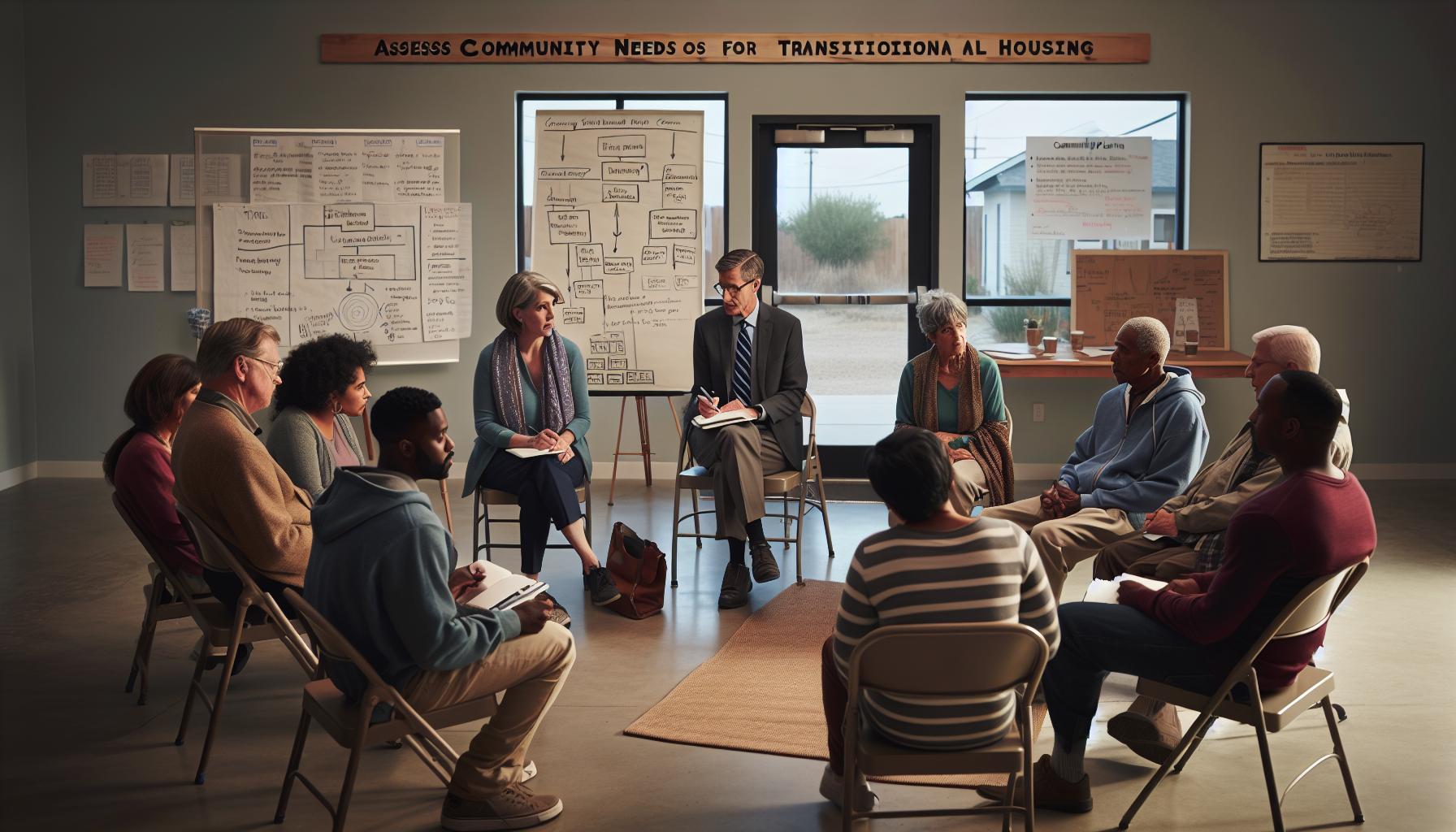
Understanding the specific needs of your community is crucial in developing a successful transitional housing program. Each community is unique, characterized by varying economic conditions, demographics, and social service needs. This means that a one-size-fits-all approach is unlikely to yield the best results. Gathering detailed information about the local population will help identify not only the extent of housing insecurity but also the specific challenges faced by your potential residents.
Begin by conducting a needs assessment, which involves gathering quantitative data, such as local homelessness statistics, income levels, and existing housing resources. Engage with community stakeholders, including social service providers, local government agencies, and residents, to gather qualitative insights. Surveys, focus groups, and interviews can help paint a clearer picture of the gaps in services and the specific demographics that require transitional housing. For instance, in some areas, you may find a high number of veterans or single parents needing assistance, while other communities might have a significant youth population facing homelessness.
Key Considerations in Assessing Needs
As you analyze the data, consider the following aspects:
- Demographics: Understand the age, gender, and family structure of those in need. Are there particular populations that are underserved?
- Income Levels: What are the minimum and maximum incomes in your community? This information can help you align your program with local income thresholds.
- Existing Resources: Identify what services are already available and where the current gaps lie. Are there enough shelters, job training programs, or mental health services?
- Community Attitudes: Assess how the community views homelessness and transitional housing. Community support can be vital for the long-term success of your program.
An effective needs assessment not only informs program design but also fosters community buy-in. When prospective participants see that their needs are understood and prioritized, they are more likely to engage positively with your program. Additionally, use this data to develop a clear mission and objectives for your transitional housing initiative, ensuring that your goals are aligned with the specific issues in your community.
Finally, don’t hesitate to reach out to similar programs for advice and insights. Networking with established transitional housing organizations can provide invaluable perspectives on best practices and potential pitfalls to avoid. By taking the time to thoroughly assess community needs, you will lay a strong foundation for a transitional housing program that is both effective and sustainable.
Step-by-Step Guide to Developing a Program

Creating a transitional housing program can be a profound undertaking that addresses the needs of individuals and families facing housing instability. Start by building a solid foundation with a clear vision and mission. These should articulate the purpose of your program, acknowledging the barriers that many residents face while also emphasizing your commitment to providing a safe, supportive space for transformation.
Begin with a comprehensive plan outlining the program’s goals, services offered, and target population. These details are crucial for effective implementation and stakeholder engagement. Utilize your initial community needs assessment to guide this planning. Identify appropriate locations, potential partnerships with local organizations, and the types of services-such as job training, mental health support, or financial education-most beneficial for your residents. This blueprint serves as a roadmap for program development and helps in securing funding and community support.
Next, establish governance and operational strategies. Determine the program structure by defining key roles and responsibilities within your organization. Hiring knowledgeable staff who understand the complexities of homelessness and can provide the necessary support is essential. They should be trained not only in housing assistance but also in navigating complex social services. Equip them with tools to monitor and assess resident progress regularly, ensuring that the services provided adapt to changing needs.
Once your infrastructure is in place, focus on creating partnerships. Collaborate with local government agencies, non-profits, and community organizations to enhance the resources available to your residents. These partnerships can help provide holistic services, ranging from healthcare to legal assistance. Engage the community in your efforts by creating awareness about your program and its mission, inviting local advocates and influencers to help rally support.
Finally, as your program begins to take shape, implement a system for measuring success. Develop metrics for tracking resident outcomes, such as employment rates, housing stability after program completion, and satisfaction surveys. Regularly evaluate your program’s effectiveness and gather feedback from residents to adapt your approach as necessary. This ongoing assessment will not only contribute to your program’s success but also build credibility within the community, fostering long-term sustainability and growth.
Funding Options for Transitional Housing Initiatives
Securing funding for transitional housing initiatives is critical to ensuring the sustainability and effectiveness of programs designed to support individuals and families experiencing homelessness. Various sources of funding can be tapped into, including government grants, private foundations, and community fundraising efforts. Understanding these options allows you to create a robust financial plan that meets the diverse needs of your residents.
One significant source of funding comes from federal programs such as the U.S. Department of Housing and Urban Development (HUD). Specifically, the Continuum of Care (CoC) Program provides funding to nonprofit providers and States for the development of transitional housing and supportive services. Additionally, the Emergency Solutions Grant (ESG) program offers funding for emergency shelters and related supportive services, including transitional housing initiatives. It’s important to review the eligibility requirements and guidelines provided on agencies’ websites to ensure that your application is competitive.
Here’s a brief overview of potential funding sources you might consider:
| Funding Source | Type | Eligibility | Use |
|---|---|---|---|
| HUD CoC Program | Federal Grant | Nonprofits, States | Transitional housing & supportive services |
| HUD ESG Program | Federal Grant | Nonprofits, States, Local governments | Emergency shelters, rapid re-housing & prevention |
| State Housing Agencies | State Grants | Varies | Affordable housing & transitional housing |
| Private Foundations | Grant | Nonprofits | Project-based funding for innovative programs |
| Community Fundraising | Donation | Community supporters | Operational expenses, capacity building |
To successfully secure funding, it’s also essential to develop a detailed budget that outlines all projected costs associated with the initiative. Providing data on community needs and demonstrating how your program addresses these issues can help make a compelling case to funders. Consider collaborating with local universities or research institutions to conduct impact assessments that provide evidence of your program’s potential efficacy.
Furthermore, engaging the community in fundraising efforts can foster ownership and support for the program. Hosting events, creating online fundraising campaigns, and leveraging social media can amplify your reach and encourage local investment in your mission. Remember, the strength of your funding strategy lies in the variety of sources you pursue, ensuring that you have a solid foundation for your transitional housing initiative.
Creating a Supportive Environment for Residents
in transitional housing is crucial for fostering stability and promoting self-sufficiency. Residents often come from challenging backgrounds, and the space they inhabit should be one that nurtures their dignity and encourages personal growth. An inviting and safe environment can significantly impact residents’ willingness to engage with their recovery and reintegration into society.
A first step in achieving this goal is to ensure that the transitional housing facility is not just a shelter but a community space where residents can feel at home. This can be accomplished by incorporating elements such as communal areas for socializing, private spaces for reflection, and access to resources that promote skill development and mental well-being. For example, having a shared kitchen allows residents to cook together, fostering relationships and providing an opportunity to learn about nutrition and cooking skills.
Another essential component is the availability of supportive services tailored to meet residents’ needs. These may include mental health counseling, job training workshops, and financial literacy programs that empower individuals to manage their resources effectively. Establishing regular life skills workshops not only equips residents with valuable tools but also builds a sense of community where they can share experiences and support each other.
Additionally, a strong emphasis on creating a non-judgmental atmosphere where residents feel safe sharing their challenges can encourage openness and personal growth. This might involve training staff to approach residents with empathy and understanding, ensuring that all interactions promote trust and positive reinforcement. Regular check-ins and community meetings can also help maintain an open dialogue about residents’ needs and experiences, allowing for adjustments to programming that best supports their journeys.
In summary, a supportive environment encompasses both the physical space and the emotional atmosphere within transitional housing. By fostering community, providing essential resources, and promoting open communication, programs can significantly enhance the well-being and success of their residents, ultimately leading to more sustainable outcomes in their paths to stability.
Key Partnerships and Collaborations for Success
Building a successful transitional housing program is not just about securing a location and funding; it’s equally about forging the right partnerships. Collaborations with local nonprofits, government agencies, businesses, and community organizations can greatly enhance the program’s effectiveness and sustainability. These partnerships are vital for pooling resources, sharing expertise, and meeting the diverse needs of residents. Engaging with established organizations can provide not only financial resources but also connections to essential services such as job training, mental health support, and educational opportunities, all of which are critical for helping residents transition to stability.
One effective strategy is to work with local housing authorities and social services agencies to align your program with existing community resources. For instance, agencies often have established programs that can offer supplemental support to your residents, such as food assistance or health services. Collaborating with organizations like Mercy Housing or the Los Angeles Mission can also provide access to transitional housing models and operational frameworks that have proven successful in other communities [1] [2] [3]. Additionally, reaching out to local businesses can yield sponsorship opportunities or mentorship programs that can empower residents through job-readiness training and employment placement.
It’s crucial to establish memorandums of understanding (MOUs) with partners, which outline the roles and responsibilities of each party clearly. These agreements should also address how success will be measured, focusing on shared goals such as successful resident placements and community integration. Regular meetings can help maintain open lines of communication, fostering a collaborative environment where feedback is valued and incorporated into program evolution.
In summary, key partnerships are not just beneficial but essential for the success and sustainability of transitional housing programs. By strategically collaborating with community stakeholders, programs can create a robust support network that enhances resident outcomes, fosters community ties, and ultimately contributes to the broader mission of reducing homelessness and supporting vulnerable populations.
Navigating Legal and Regulatory Requirements
Navigating the maze of legal and regulatory requirements is crucial when establishing a transitional housing program. Noncompliance can not only jeopardize your initiative but also erode trust within the community you’re aiming to support. To create a solid foundation, understanding local zoning laws, health and safety codes, and occupancy regulations is essential. These regulations vary widely, so it’s important to consult with local housing authorities early in the planning process. This ensures that your program aligns with existing policies and avoids any potential legal pitfalls.
Here are some key areas to focus on:
- Zoning Laws: Determine if the location you choose allows for transitional housing. Depending on the area, you may need to apply for special exemptions or variances.
- Licensing Requirements: Some states require transitional housing facilities to be licensed or certified. Research your state’s regulations to identify any necessary credentials.
- Health and Safety Standards: Ensure your facility meets local health and safety codes. This could involve regular inspections and adherence to building standards that protect resident well-being.
- Tenant Rights Laws: Familiarize yourself with tenant rights, including eviction processes and occupancy agreements. Knowing these laws helps protect both residents and the program from liability issues.
- Funding Regulations: If your program applies for government or private funding, be sure to understand the conditions tied to those funds. Grant applications often have specific compliance requirements.
To further simplify the process, consider creating a checklist or timeline to track important steps. This could include determining zoning statuses within the first month, checking for necessary permits by the second month, and ensuring compliance with health regulations by the third. Engaging with a legal professional who specializes in housing can provide invaluable guidance and tailor advice to your community’s specific needs.
Finally, stay connected with your community. Attend local council meetings and gatherings to hear about upcoming regulatory changes and to glean valuable insights from peers in the field. Building relationships with local officials can facilitate a smoother compliance process and can offer resources that may not be publicly advertised. By proactively addressing legal and regulatory requirements, you create a foundation that boosts community confidence in your transitional housing program, ensuring a more successful and sustainable initiative.
Measuring Impact: Metrics for Success in Transitional Housing
Measuring the impact of transitional housing programs is essential for understanding their effectiveness and ensuring they meet the needs of the community. A successful program not only helps individuals transition to stable housing but also enhances community wellbeing. To truly gauge success, it’s imperative to establish clear metrics that reflect both immediate outcomes and long-term goals.
Key metrics should encompass various domains of participants’ lives. Here are some important indicators to consider:
- Housing Stability: Track the percentage of residents who secure permanent housing after exiting the program. A common benchmark is that at least 70% of participants should find stable housing within six months of leaving.
- Employment Rates: Monitor the employment status of residents upon entry and exit. An increase in employed participants can indicate the program’s effectiveness in enhancing job readiness and securing employment.
- Income Levels: Assess changes in income, considering both earned income and benefits. Positive shifts can demonstrate improved self-sufficiency for residents.
- Health Outcomes: Analyze self-reported health metrics or connections to healthcare services, such as regular check-ups or mental health support, which can reflect the program’s role in addressing residents’ holistic needs.
- Client Satisfaction: Regular surveys can provide insight into residents’ perceptions of the program’s support, including access to resources and overall satisfaction.
To effectively implement these metrics, establish a tracking system that collects data at various points-upon entry, during the program, and post-exit. This longitudinal approach helps capture trends and impacts over time, allowing for adjustments to the program based on feedback and outcomes. Collaboration with local organizations can also enhance data collection efforts, providing richer insights into the program’s effectiveness.
Ultimately, the right metrics not only clarify the program’s success but also attract potential funding and community support by demonstrating its positive contributions. By prioritizing impact measurement, transitional housing programs can continually refine their approaches, ensuring they remain responsive to the community’s evolving needs.
Best Practices for Program Sustainability and Growth
To navigate the complex landscape of transitional housing programs, establishing a foundation for sustainability and growth is essential. The resilience of your program is intertwined with strategic planning, community partnerships, effective funding strategies, and continuous adaptation to the changing needs of your target population. For instance, being aware that approximately 70% of participants are expected to secure permanent housing within six months can serve as a baseline for evaluating your program’s effectiveness and guiding your initiatives.
One crucial aspect of sustainability is forming strong partnerships with local organizations, businesses, and governmental agencies. These collaborations can enhance service delivery and provide vital resources. For example, local employers might assist in offering job training or employment opportunities for residents. Partnering with health services can facilitate holistic support, addressing both physical and mental health needs. Establishing these relationships can also lead to a community of support that amplifies the impact of your program.
Funding remains a critical component for program longevity. Exploring diverse funding opportunities-including federal grants, state resources, and private donations-can provide a stable financial foundation. Many transitional housing programs successfully utilize a blend of funding sources, such as the Continuum of Care (CoC) program and Emergency Solutions Grants (ESG). It’s important to keep abreast of grant application deadlines and eligibility requirements, and when applying for funding, ensure you clearly outline your program’s outcomes and community need.
Finally, implementing a robust evaluation framework will ensure your program remains responsive and effective. Regular assessment through feedback mechanisms, client satisfaction surveys, and data collection on participant outcomes can inform program adjustments. For example, if data shows a low rate of employment post-exit, consider enhancing job readiness training or expanding partnerships with local businesses to create more jobs for residents. This iterative process not only demonstrates accountability to stakeholders but also attracts potential investors and supporters by showcasing a commitment to continuous improvement.
By focusing on these essential areas-community partnerships, diverse funding, and ongoing evaluation-your transitional housing program can thrive and adapt, ultimately providing lasting support for individuals on their path to stability.
Overcoming Challenges in Transitional Housing Programs
Navigating the complexities of transitional housing programs can feel overwhelming, especially for those who are passionate about helping individuals on their path to stability. However, recognizing and addressing key challenges can significantly aid in the development and sustainability of these vital services. One of the primary hurdles programs face is ensuring consistent funding. Many programs rely on a patchwork of grants and donations, which can introduce uncertainty and limit planning capabilities. Therefore, it’s essential to diversify funding sources and establish a solid financial foundation early on. Look for local, state, and federal grants, as well as community fundraising efforts and partnerships that can provide ongoing support.
Another challenge lies in effectively serving diverse populations with varying needs. Residents may come from backgrounds that include trauma, substance abuse, or mental health issues. Providing a one-size-fits-all solution is rarely effective. Instead, programs must implement a case management model that tailors services to individual circumstances. This can involve hiring staff trained in trauma-informed care, offering life skills workshops, and establishing connections with local health services. By focusing on holistic support, transitional housing programs can create a nurturing environment that empowers residents to build the skills necessary for independence.
Communication and collaboration with local agencies and stakeholders are also crucial. Misalignment between transitional housing programs and local resources can lead to gaps in service delivery. To overcome this, establish ongoing dialogues with local service providers, employers, and community organizations. Hosting regular meetings or collaborative workshops can foster these relationships and ensure all parties are aligned in their goals. This collaborative effort can enhance service delivery, expand resource availability, and ultimately lead to better outcomes for residents.
In the journey of establishing a successful transitional housing program, it’s vital to recognize and plan for obstacles. By addressing funding instability, varying resident needs, and fostering community collaboration, programs not only improve their operations but also enhance the lives of those they serve. Through proactive strategies and a commitment to ongoing evaluation, programs can adapt to evolving community needs, ensuring their relevance and effectiveness in the long term.
Frequently asked questions
Q: What are the initial steps to establish a transitional housing program?
A: To start a transitional housing program, begin by conducting a community needs assessment to understand local demands. Engage stakeholders, develop a clear mission, and outline your program’s goals. This foundation will guide your program’s direction and effectiveness.
Q: How do I secure funding for a transitional housing program?
A: Securing funding involves researching grants from federal, state, and local governments, as well as private foundations. Consider partnerships with nonprofits and use crowdfunding platforms. Explore funding options detailed in the Funding Options for Transitional Housing Initiatives section of your guide for comprehensive strategies.
Q: What legal requirements must be addressed when starting a transitional housing program?
A: Navigating legal requirements includes obtaining necessary licenses and permits, adhering to zoning laws, and ensuring compliance with fair housing regulations. Consult with legal experts experienced in housing to navigate these complexities effectively, detailed in the Navigating Legal and Regulatory Requirements section.
Q: What types of residents can benefit from transitional housing programs?
A: Transitional housing programs typically assist individuals and families experiencing homelessness or those in need of recovery support. Target populations may include veterans, survivors of domestic violence, or individuals exiting institutions. Tailoring your program to specific demographics can enhance its impact.
Q: How do I measure the success of a transitional housing program?
A: Measuring success can be achieved through tracking key metrics such as housing stability rates, employment outcomes, and participant satisfaction. Utilize both qualitative and quantitative data to assess program impact, as discussed in the Measuring Impact: Metrics for Success in Transitional Housing section.
Q: What are some common challenges faced by transitional housing programs?
A: Common challenges include funding shortages, staffing issues, and securing appropriate housing locations. Programs may also face resistance from local communities. Identifying these challenges helps develop proactive strategies for overcoming them, as outlined in the Overcoming Challenges in Transitional Housing Programs section.
Q: How can I foster community partnerships for my transitional housing program?
A: Building community partnerships involves engaging local organizations, businesses, and government agencies to enhance support and resources for your program. Attend community meetings, leverage local networks, and emphasize mutual benefits to strengthen these collaborations, as mentioned in the Key Partnerships and Collaborations for Success section.
Q: What support services should be included in a transitional housing program?
A: Key support services may include job training, mental health counseling, and life skills education. Creating a comprehensive support system helps residents successfully transition to independent living, ensuring holistic development. Review the Creating a Supportive Environment for Residents section for additional service ideas.
Key Takeaways
Starting a transitional housing program is a powerful step toward combating homelessness and providing stability for those in need. As you embark on this journey, remember that resources such as local partnerships and community engagement are crucial to your success. To explore further, check out our articles on Marketing Your Transitional Housing Project and Building Community Connections, which offer valuable insights into attracting support and raising awareness for your initiative.
We encourage you to take action today-whether that’s reaching out for a consultation, signing up for our newsletter for ongoing tips, or using our practical calculators to gauge your program’s needs. Addressing housing insecurity is challenging, but with knowledge and support, you can make a significant impact. Unlock the potential of your transitional housing project and help those in your community achieve lasting change.
If you have any questions or want to discuss your specific goals, feel free to leave a comment below or share this resource with others who might benefit. Together, we can build a brighter future for everyone.
Get our latest guides, news, and insights highlighted in your Google Search & AI Overviews.