
Did you know that millions of homeowners may qualify for government grants covering up to 100% of the costs for house insulation? As energy bills continue to rise, ensuring your home is energy-efficient isn’t just a luxury-it’s a necessity. However, navigating these options can feel overwhelming. This guide will clarify how you can access free insulation programs available in 2025, including eligibility requirements and application processes. Embracing energy efficiency not only lowers your utility bills but also enhances your home’s comfort and value. Stay tuned as we explore practical steps you can take to secure these financial resources and improve your living environment without breaking the bank.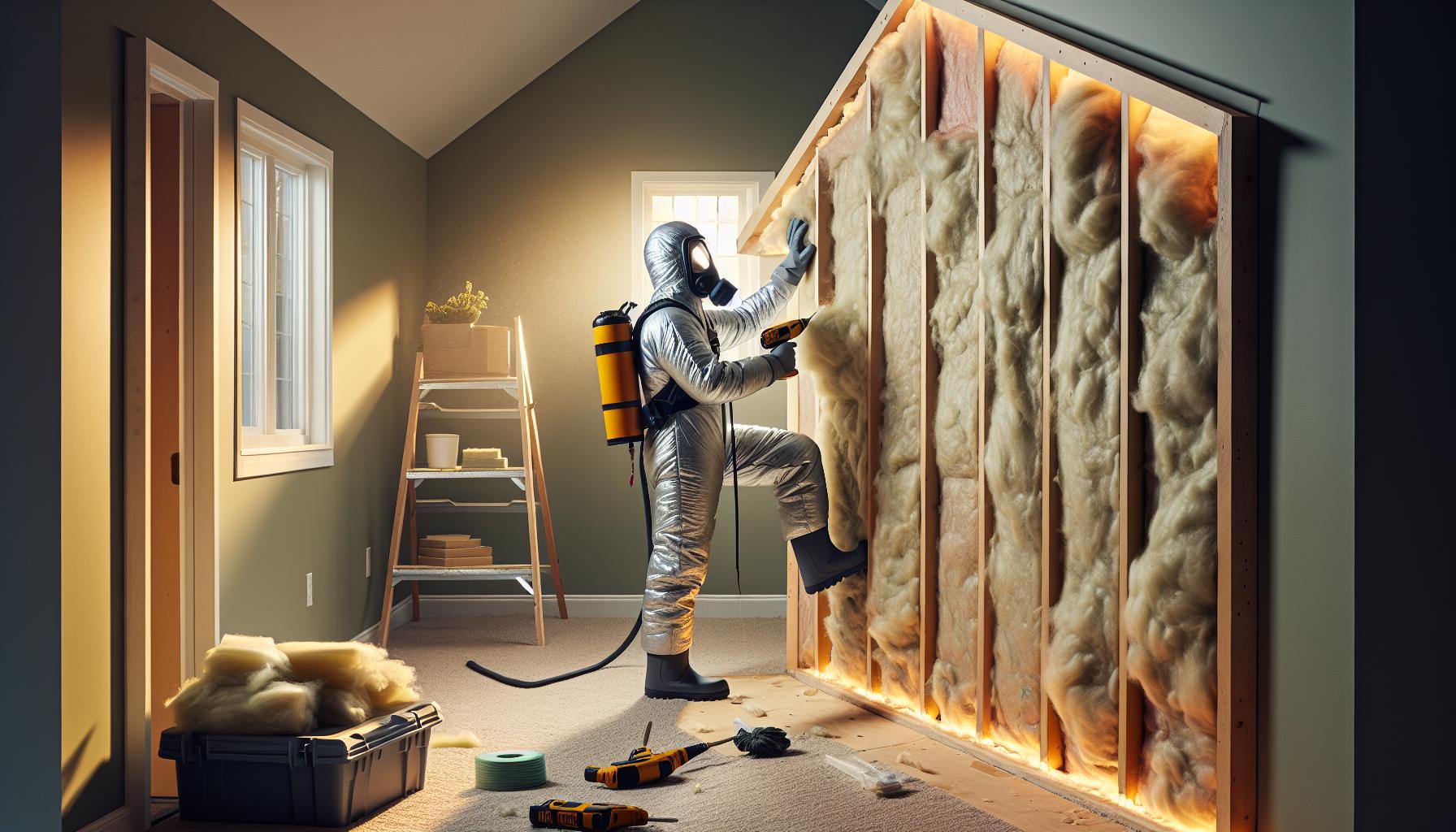
Understanding Government Grants for House Insulation
Government grants for house insulation are designed to make your home more energy-efficient, especially for those who might find the upfront costs challenging. These programs can cover a significant portion of your insulation project, ensuring not only a comfortable living environment but also reducing energy bills over time. Often funded by state and federal governments, these grants aim to improve housing quality while lessening the environmental impact of energy consumption. In New York, for example, programs through NYSERDA and NYSEG offer incentives ranging from $2,000 to potentially more based on specific improvements made to your home, such as sealing and insulating packages to enhance energy efficiency[[1]](https://www.nyserda.ny.gov/All-Programs/Comfort-Home-Program)[[3]](https://www.nyseg.com/smartenergy/rebatesandprograms/insulation-air-sealing-rebates).
Eligibility for these programs typically targets low to moderate-income households. Many programs offer tiered funding based on income levels, ensuring that those who need assistance the most receive it. Key criteria often include homeownership status, household income limits, and the current state of your home’s insulation. For instance, programs may provide funds specifically for households struggling with high energy costs or those living in older homes without sufficient insulation[[2]](https://usainsulation.net/buffalo/nyserda).
When considering applying for insulation grants, it’s important to have a clear understanding of the application process. Most programs require a home energy assessment to determine current insulation levels and identify areas for improvement. With this assessment, eligible homeowners can begin the process of securing funding, understanding what costs will be covered, and selecting licensed contractors to undertake the work. Many agencies provide step-by-step guidance to help you navigate the paperwork and requirements, ensuring you receive the assistance you deserve.
Who Qualifies for Free Insulation Programs?
Many individuals and families are unaware that free insulation programs exist to alleviate the burden of energy costs while improving the comfort of their homes. These programs are designed to assist low to moderate-income households, ensuring that those who may struggle to maintain energy-efficient living conditions can access important resources.
Eligibility for free insulation grants generally focuses on income levels, with different programs offering varying thresholds. For example, many initiatives require that the total household income falls below a specific area median income (AMI), often set at 80% or less. Homeownership plays a significant role in qualification; applicants must typically own their homes and have not received prior funding for insulation improvements within a specified period. Additionally, funding may be directed toward older homes or households demonstrating high energy consumption due to inadequate insulation.
Moreover, certain programs account for special circumstances, such as households with children, seniors, or individuals with disabilities, which may provide them additional resources or prioritization in funding. Interested individuals should also check if their local government, utilities, or nonprofit organizations offer specific outreach programs that could assist with the application process or offer direct support.
To get started, potential applicants can visit local or federal programs’ websites to find specific criteria, necessary documentation, and links to resources. Conducting an energy audit can also be a beneficial step, as it assesses the current insulation and identifies areas needing improvement, thus enhancing eligibility for available funding.
Types of Insulation Covered by Grants
Many homeowners might not realize that various forms of insulation are eligible for government grants aimed at reducing energy costs. These grants often cover a wide range of materials and methods designed to improve the energy efficiency of your home. Understanding the types of insulation covered by these initiatives can empower you to take control of your energy expenses and make your home more comfortable.
Insulation Materials Typically Covered
Government grants generally support several types of insulation, each suited for different areas of the home:
- Fiberglass Insulation: One of the most common types, fiberglass insulation is versatile and effective for both walls and attics. It comes in batts or loose-fill form and can significantly reduce heat transfer.
- Foam Board Insulation: This rigid panel insulation is excellent for use in basements and exterior walls. It provides a high insulation value per inch of thickness and helps control moisture.
- Spray Foam Insulation: Ideal for filling gaps, spray foam expands upon application. It provides superior air sealing and thermal resistance, making it popular for attics and irregular spaces.
- Cellulose Insulation: Made from recycled paper products, cellulose is an eco-friendly option. It’s typically used as loose-fill insulation and is great for attics and walls, offering good thermal performance.
- Mineral Wool (Rock Wool) Insulation: This type is fire-resistant and offers excellent soundproofing qualities. It’s suitable for use in walls, roofs, and floors.
Special Circumstances for Coverage
In addition to standard materials, some grants may offer funding for specialized insulation applications, such as:
- Radiant Barrier Insulation: This reflective insulation is designed to reduce heat gain in warmer climates and can be beneficial in attic spaces.
- Insulated Concrete Forms (ICFs): Used in building new homes, ICFs combine insulation with concrete, leading to enhanced energy efficiency and durability.
By taking advantage of these grant-funded insulation materials, homeowners can significantly lower their energy bills, improve indoor comfort, and contribute to sustainability. If you find qualifying insulation types within your local government’s resources, it can pave the way to a more energy-efficient home without the hefty out-of-pocket costs typically associated with such improvements.
How to Apply for Government Insulation Grants
Applying for government insulation grants can significantly reduce your energy expenses and improve your home’s comfort. Understanding the application process can help you successfully navigate this pathway to funding.
To start, determine which government programs are available in your area. Most states have specific programs that provide financial assistance for insulation and weatherization improvements. For instance, the Weatherization Assistance Program (WAP) provides grants to low-income households to make energy-efficiency upgrades. You can typically find the program details on your state or local government’s website, including eligibility criteria and funding limits.
Once you’ve identified the program that suits your needs, gather all necessary documentation. This typically includes proof of income to establish eligibility, information about your home (like size, age, and current insulation levels), and any existing energy bills. Many programs may also require a home energy audit, often provided at no cost, to assess necessary upgrades and proper insulation types.
After gathering documents, the next step is to fill out the application. Be as thorough and accurate as possible; incomplete applications may delay your request. If you’re unsure about any part of the application, don’t hesitate to contact the program’s customer service for clarification. They can provide important guidance to help streamline your application process.
Once submitted, be prepared for an inspection. A representative may visit your home to verify details and determine the necessary improvements before granting approval. After approval, the program will often outline the next steps in scheduling the insulation installation. Remember, patience is key during this process, as it can sometimes take weeks to receive approval and complete installations.
For those who may encounter difficulties, resources like community assistance organizations can offer guidance and support through the application process. With determination and the right information, accessing insulation grants can make your home more energy-efficient and comfortable while easing your financial burdens.
Step-by-Step Application Process Explained
To navigate the application process for government insulation grants, it’s essential to approach it step-by-step, ensuring you capture all necessary details to boost your chances of approval. Many low-income households miss out on valuable funds simply due to incomplete applications or misunderstandings of the requirements. Understanding each stage can make this process smoother and more accessible.
Start by identifying the specific program you want to apply for, such as the Weatherization Assistance Program (WAP), which provides federal funding for energy efficiency upgrades. Each program may have different eligibility requirements, so be diligent in checking these criteria on relevant state or local government websites.
Next, compile all required documentation. This typically includes:
- Proof of Income: Recent pay stubs, tax returns, or benefit award letters can establish your household’s income. Make sure your income falls within the program’s limits, which can frequently be found in program guidelines.
- Home Information: Gather details about your home, such as its age, size, and current insulation type.
- Energy Bills: Previous utility bills can demonstrate your current energy costs and needs.
Once you have the documentation ready, the next phase is filling out the application. Be thorough and ensure accuracy – small errors can lead to processing delays or denial. If anything is unclear, don’t hesitate to reach out to the program representatives; they are there to assist you through the process. After submitting, you may need to prepare for a home inspection, where an inspector will validate your information and assess what insulation improvements are necessary.
Approval times can vary, so it’s important to remain patient and proactive. After you receive approval, the program will guide you on the next steps, including scheduling installation. If you face difficulties during the application, consider seeking help from local community organizations or assistance centers, which may have resources to support you further. By taking it step-by-step and utilizing available resources, you can enhance your chances of securing a government grant for insulation.
Regional Breakdown of Available Grants
In 2025, numerous government programs offer grants and assistance for home insulation, but availability often varies by region. Understanding the specific resources in your area can be a game-changer, particularly for low-income households seeking to improve energy efficiency. Each state and locality may have its own unique set of programs, eligibility requirements, and funding levels.
For example, the Weatherization Assistance Program (WAP) is a federal initiative that varies in implementation across states. In many areas, local agencies coordinate these efforts, ensuring that eligible households receive funding for insulation upgrades. Typically, priority is given to households with the lowest incomes, elderly residents, or those with disabilities. To locate the appropriate program for your region, visit your state’s energy office website or contact local community organizations. These resources can provide invaluable information tailored to your locality.
Beyond WAP, additional programs exist, such as the Low-Income Home Energy Assistance Program (LIHEAP), which provides financial aid for heating and cooling costs. It’s important to note that not all states administer LIHEAP in the same way; deadlines and application processes can differ significantly. Residents in rural areas may also find specific grants aimed at addressing the unique challenges they face, emphasizing the need for localized knowledge when seeking assistance.
Furthermore, forming connections with local nonprofits or energy advocacy groups can enhance your understanding of available resources. They often facilitate outreach and can offer guidance on navigating the application processes. By leveraging regional programs effectively, you not only enhance your home’s insulation but also contribute to broader energy efficiency efforts and cost savings on utility bills.
Commonly Asked Questions About Insulation Grants
Navigating the world of government grants for insulation can feel overwhelming, especially for those facing financial hardships. Thankfully, many people are turning to these programs and discovering a lifeline in improving their home’s energy efficiency without the burden of upfront costs. Here are some frequently asked questions that can help clarify the process and eligibility requirements for insulation grants.
What types of households are eligible for insulation grants?
Generally, insulation grant programs prioritize low-income households. Eligibility criteria often include factors such as annual income levels, household size, and whether family members are elderly or have disabilities. For example, the Weatherization Assistance Program (WAP) is designed specifically for families with income levels at or below 200% of the federal poverty guidelines. This means that in 2025, a family of four could qualify if their annual income is below approximately $55,500, depending on the state.
What types of insulation are typically covered by these grants?
Most insulation grant programs will cover a range of insulation types. Common options include:
- Attic Insulation: Often the largest source of energy loss, adding insulation in the attic can significantly reduce heating and cooling costs.
- Wall Insulation: Insulation can also be applied in exterior walls to improve overall thermal efficiency.
- Basement Insulation: Insulating the basement can prevent heat loss and reduce moisture issues.
- Weatherstripping and Sealing: Programs may also cover costs associated with sealing drafts and gaps around windows and doors.
How can I apply for insulation grants?
Applying for insulation grants typically involves several steps, including:
- Research Available Programs: Start by checking your state’s energy office website or local community organizations for specific grants available in your area.
- Gather Documentation: You will likely need proof of income, household information, and details about your home.
- Submit an Application: Follow the application guidelines provided by the program, which may include filling out forms online or in person.
- Schedule an Evaluation: Once your application is approved, a home energy audit may be conducted to assess insulation needs.
What if I need additional financial assistance?
In addition to insulation grants, homeowners may consider other financial assistance options like the Low-Income Home Energy Assistance Program (LIHEAP), which helps with energy costs, including potential coverage for home improvements. Some states also offer local loan programs and tax credit opportunities to assist homeowners in making their homes more energy-efficient, further reducing long-term energy expenses.
These questions are a crucial starting point for anyone interested in exploring insulation grants. By understanding eligibility requirements and available resources, you can take significant steps towards making your home more energy-efficient while alleviating financial pressures.
Tips for Maximizing Your Grant Application Success
Navigating the landscape of government grants for insulation can significantly impact your home’s energy efficiency and overall comfort. To maximize your success when applying for these grants, consider specific strategies that improve your chances of approval while ensuring you get the help you need.
The first step is thorough preparation. Start by gathering all necessary documents that reflect your financial situation and household details, such as proof of income, tax returns, and utility bills. Ensure that everything is organized and readily available, as this will streamline the application process. Many programs require an energy audit before approving assistance, so conducting this early on can help identify specific insulation needs and strengthen your application.
Next, ensure you understand the specific eligibility criteria and guidelines of the program you’re applying for. Each program may have different requirements based on income levels, household size, and the types of housing. For example, the Weatherization Assistance Program (WAP) targets families with incomes at or below 200% of the federal poverty level, so make sure you meet these thresholds. Utilizing local resources-such as state energy offices or community organizations-can provide insights into available programs and their stipulations, increasing your chances of success.
Engaging with program representatives can also significantly improve your experience. Don’t hesitate to ask questions about the application process or requirements; they can provide clarifications that could enhance your submission. Building relationships with local organizations that manage these grants can also open doors for additional support or tips on navigating the application process.
Lastly, consider sharing your personal story. Many grant applications permit additional attachments or narrative components-use these to explain why the assistance is essential for you and your family. A compelling narrative can provide a human touch that sets your application apart. Remember to be concise and relevant, focusing on how insulation will improve your living conditions and reduce energy costs for your household.
By taking these thoughtful steps, you can empower yourself to navigate the grant application process with confidence and clarity, maximizing your chances for approval and enhancing your home’s energy efficiency.
Financial Assistance Beyond Government Grants
Many homeowners seeking assistance for insulation often overlook other financial resources beyond government grants. Understanding these options can greatly enhance your ability to make your home energy-efficient without straining your finances. Various programs, loans, and community resources are available that can complement government support.
Local Utility Programs
Many utility companies offer programs that assist customers with energy efficiency improvements, including insulation. These programs may provide rebates, low-interest loans, or even free services. For instance, some utilities perform energy audits at no cost and offer recommendations for efficiency upgrades, including insulation. By exploring your local utility’s website or contacting customer service, you can find specific offers applicable to your situation.
Nonprofit Organizations
Numerous nonprofit organizations operate on local, regional, or national levels to support energy efficiency projects. Groups like Habitat for Humanity or the National Energy Assistance Directors’ Association often have initiatives aimed at assisting low-income families with home improvements. They may provide grants, resources, or volunteers to help carry out insulation projects. Reaching out to nonprofits in your area could reveal valuable partnerships and financial assistance.
Tax Credit Programs
Homeowners may benefit from federal or state tax credits designed to encourage energy-saving home improvements. For example, the federal Residential Energy Efficiency Tax Credit allows for deductions related to insulation materials and installation costs. These tax credits can alleviate the overall financial burden of insulation projects, making them more affordable. Consulting a tax professional can help you understand which programs you qualify for and how to maximize your credits.
Community Development Financial Institutions (CDFIs)
CDFIs are specialized organizations that provide affordable financial services to underserved communities. They often offer loans specifically for home improvements and energy updates, including insulation. Interest rates are typically lower than traditional banks, and terms may be more flexible, making CDFIs a viable option for financing projects that enhance home energy efficiency.
Exploring these alternatives not only broadens your financial backing but enables you to approach home insulation comprehensively. In utilizing these resources, you can improve your home’s energy efficiency, leading to savings on utility bills and greater comfort for your family.
How to Choose the Right Insulation for Your Home
Choosing the right insulation for your home is crucial for maximizing energy efficiency and comfort. With various types of insulation available, it’s important to consider factors such as your home’s structure, climate, and budget. For instance, certain materials work better in specific climates. Fiberglass batts might be suitable for milder weather, while spray foam could provide superior insulation in extreme temperatures. Understanding R-values, which measure thermal resistance, can help you select the most effective insulation type for your needs. Higher R-values indicate better insulation performance, making it essential to look for products with suitable ratings based on your area’s climate.
When evaluating insulation options, consider the installation process as well. Some insulation types, such as blown-in cellulose, may require professional installation, while others like fiberglass rolls are DIY-friendly. Nevertheless, the installation method can significantly affect the insulation’s performance. An improperly installed insulation can lead to gaps and decreased effectiveness, so hiring a certified installer might be beneficial, particularly for more complex installations like spray foam. Furthermore, local building codes may dictate specific requirements or restrictions related to insulation types, underscoring the importance of researching local regulations before making a decision.
It’s also wise to assess the environmental impact of your insulation choices. Some materials are more eco-friendly than others. For example, recycled denim and cellulose insulation are made from repurposed materials and have lower environmental footprints. If sustainability is a priority for you, opt for products that are certified by organizations like the Forest Stewardship Council (FSC) or the Environmental Protection Agency (EPA).
Finally, don’t overlook the long-term cost savings associated with the right insulation. Although some materials may have a higher upfront cost, they could save you money on energy bills in the long run. To help with decision-making, create a comparison table of different insulation types based on cost, R-value, environmental impact, and installation ease, so you can visualize the best fit for your home and budget.
By taking the time to understand your options, you can make an informed choice that not only enhances your home’s energy efficiency but also contributes to a more sustainable future.
Navigating Energy Efficiency Programs for Additional Support
Navigating the maze of energy efficiency programs can feel daunting, especially when you’re looking for ways to insulate your home for free. However, understanding the available resources can significantly simplify this process and help you take advantage of potential grants and assistance programs designed specifically for homeowners like you. Many federal and state programs offer funding for insulation improvements that can enhance your home’s energy efficiency and lower your utility bills.
The U.S. Department of Energy’s Weatherization Assistance Program (WAP) is one of the most beneficial sources of support. This program primarily targets low-income households and offers help to improve energy efficiency by covering the costs of insulation and other necessary upgrades. To qualify, households typically need to meet specific income thresholds that vary by state. In general, many programs follow the federal poverty guidelines, which are adjusted annually, so it’s essential to check the latest figures. Understanding whether your income falls within these guidelines is a crucial first step.
Steps to Access Funding
To navigate these energy efficiency programs effectively, follow these steps:
- Research local offerings: Many states and localities have additional funding or programs besides WAP. Local energy offices can provide detailed information about specific grants available in your area.
- Gather required documents: Typically, you will need proof of income, residency, and, in some cases, past energy bills to apply for these programs.
- Complete an application: Most programs allow you to apply online. Ensure that you fill out the application completely and accurately to avoid delays.
- Schedule an energy audit: Many programs require an audit to assess your home’s current insulation and energy efficiency levels before work can begin.
Additional Resources
Apart from direct insulation grants, programs like the Low-Income Home Energy Assistance Program (LIHEAP) can assist eligible households with heating and cooling costs, which indirectly supports energy savings through insulation upgrades. If you find that your household does not qualify for state or federal assistance, consider looking into local nonprofits or community action organizations that may have dedicated energy efficiency funds.
Getting involved in these programs not only helps you improve your living conditions but also supports community goals of reducing overall energy consumption. Whether you need funding for basic insulation or are looking to maximize your energy savings through comprehensive energy audits and upgrades, these resources are designed to empower you in making your home more comfortable and cost-effective.
Real Success Stories: Clients Who Got Insulated for Free
Stories of individuals and families who have successfully received free insulation through government grants can inspire and guide others seeking similar assistance. For instance, Maria, a single mother in Ohio, found herself struggling with high heating bills during the winter months. After hearing about the Weatherization Assistance Program (WAP) from a friend, she decided to apply. Maria met the income eligibility criteria, and after a straightforward application process, her home was insulated at no cost. The result? A significant drop in her energy bills and a warmer, more comfortable home for her children.
Similarly, John and his wife, retired veterans living in New York, were concerned about rising energy costs affecting their fixed income. They learned about their state’s energy efficiency program, which provides incentives for insulation improvements. With the help of a local nonprofit, they navigated the application process seamlessly. Thanks to the Comfort Home Program, they received not only insulation but also new energy-efficient windows, altogether at no charge. Their home now retains heat better, which allows them to save funds that can be redirected toward necessities like groceries and medical care.
These success stories illustrate that accessing government insulation grants is not just a possibility but a reality for many. To make the most of these programs, it’s essential for applicants to have a clear understanding of eligibility requirements and to keep records organized when applying. Engaging with local resources, such as community organizations and state energy offices, can also provide invaluable support throughout the process. Remember, every journey starts with a single step, and these individuals are living proof that your home can be transformed and empowered through the right assistance.
FAQ
Q: What are the benefits of government grants for house insulation in 2025?
A: Government grants for house insulation in 2025 can significantly reduce energy costs and improve home comfort. They cover insulation materials and labor, making homes more energy-efficient. Additionally, these programs often enhance property value from energy-saving upgrades.
Q: How can I check if I qualify for free insulation grants?
A: To check if you qualify for free insulation grants, visit your local government’s website or the Department of Energy’s resources. Income requirements and home conditions vary by program, so review eligibility criteria specific to your area.
Q: When should I apply for insulation grants to ensure I meet deadlines?
A: Apply for insulation grants as early as possible, ideally in late winter to early spring. Most programs operate on a fiscal year basis, so understanding specific deadlines for applications will ensure you don’t miss out on available funding.
Q: What types of insulation are typically covered by government grants?
A: Government grants generally cover a range of insulation types, including fiberglass, foam board, and cellulose. Your specific eligibility may depend on the materials chosen based on home energy assessments conducted by approved contractors.
Q: Are there additional requirements beyond income for receiving insulation grants?
A: Yes, in addition to income, grant programs may require proof of homeownership, occupancy, and energy audits. Each program has specific requirements, so it’s vital to confirm details based on the grant you are applying for.
Q: Can I combine government grants with other financial assistance programs for insulation?
A: Yes, many homeowners combine government grants with local energy efficiency subsidies or tax credits. Check with local agencies to see what combinations of funding are available, which can enhance financial support for your insulation project.
Q: What is the typical timeline for receiving government insulation grants?
A: The timeline for receiving government insulation grants can vary, generally taking one to three months from application submission to fund disbursement. Factors like program type and demand influence this duration, so plan accordingly.
Q: How can I improve my chances of getting approved for insulation grants?
A: To improve your chances of approval, ensure all documentation is accurate and complete. Follow application guidelines closely and consider obtaining a professional energy assessment to strengthen your application’s credibility.
In Conclusion
By taking advantage of government grants for free house insulation, you open the door to a more energy-efficient, comfortable living space while potentially lowering your utility bills. Don’t wait-these opportunities can make a significant impact on both your home and your finances, and funding can be limited. If you have any questions about eligibility or application processes, explore our detailed guide on Eligibility Criteria for Home Insulation Grants and check our Step-by-Step Application Guide to ensure you’re fully prepared.
Ready to make your home more sustainable? Sign up for our newsletter to stay updated on the latest grants and savings opportunities, or explore our home improvement resources that can help you on your journey. Remember, every step towards insulation is a step towards savings and comfort. Share your thoughts in the comments below or connect with us on social media-the journey to an energy-efficient home is more rewarding when we share it together!
Get our latest guides, news, and insights highlighted in your Google Search & AI Overviews.