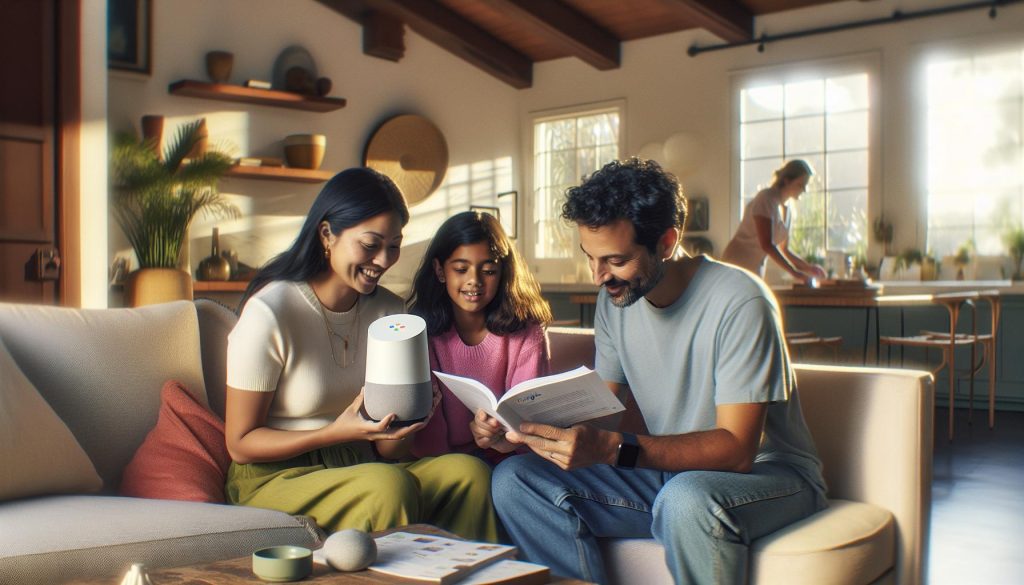
Imagine effortlessly controlling your music, lights, and home security with just your voice. Setting up Google Home opens the door to a smarter, more connected lifestyle. This guide, “How Do I Program Google Home? Complete Setup Guide,” is your roadmap to harnessing the incredible potential of Google Home. By taking just a few steps, you can create a personalized environment that enhances your daily routine, adding convenience and efficiency. Whether you’re seeking to streamline chores, boost your home security, or simply enjoy the latest tunes, knowing how to properly program your Google Home is essential. Dive into this journey with us as we empower you to transform your living space into a technology-friendly haven!
How to Set Up Google Home Devices
Setting up Google Home devices can transform your living space into a smart home with the power of voice commands and automation. Fortunately, the process is straightforward, allowing you to enjoy the benefits of smart technology with just a few steps.
To begin, ensure you have the necessary components ready: a Google Home speaker or display, the latest version of the Google Home app, and a compatible smartphone operating on Android 9.0 or newer. Ensure your device is connected to a Wi-Fi network that supports either 2.4 GHz or 5 GHz bands. Bluetooth should also be activated on your phone for the setup process.
Once you have everything in place, follow these easy steps to set up your device:
- Download and open the Google Home app: If you haven’t done so, download the Google Home app from the Google Play Store or Apple App Store.
- Sign in with your Google account: Open the app and log in with your Google account. If you don’t have one, you can easily create it in the app.
- Add your Google Home device: Tap the ‘+’ icon in the top left corner of the app, then select ‘Set up device.’ Choose ‘New devices’ to detect your Google Home device.
- Connect to Wi-Fi: Follow the on-screen prompts to select your Wi-Fi network and enter your password. Make sure it’s the same network that your smartphone is connected to.
- Customize settings: Once connected, you can customize settings like your location, voice preferences, and more for a tailored experience.
After these initial steps, your Google Home device is set up and ready to respond to your commands. You can start by trying basic voice commands such as, “Hey Google, what’s the weather?” or “Hey Google, play some music.” This setup not only gets your device working but sets the stage for exploring a wide range of functionalities that Google Home offers, opening up further opportunities to integrate additional smart devices for a fully connected environment.
Understanding Google Home Features
Understanding the capabilities and features of Google Home can significantly enhance your experience with smart home technology. Google Home devices serve as intelligent hubs that not only manage your smart home automation but also provide a seamless connection to information and entertainment through voice commands. By utilizing the integration of Google Assistant, these devices can perform a variety of tasks that streamline your daily life.
One of the standout features is the ability to control compatible smart devices in your home. Whether it’s adjusting the thermostat, turning on lights, or managing security cameras, Google Home acts as the command center for all your smart gadgets. With simple voice commands like “Hey Google, turn off the living room lights,” you can manage multiple devices effortlessly. Furthermore, Google’s expanding ecosystem of compatible devices ensures that you can integrate everything from smart plugs to advanced appliances.
Another impressive capability is Google Home’s contextual awareness. This means it can understand your requests based on the context of your previous interactions. For example, if you ask, “What’s the weather today?” and then follow up with, “What about tomorrow?”, the Assistant will know you’re still inquiring about the weather. This feature streamlines conversations, making it feel more natural and intuitive.
Additionally, Google Home provides enhanced functionalities through voice commands, such as playing music, checking news updates, or setting reminders. With access to multiple streaming services, you can easily request your favorite songs or playlists by simply saying, “Play some jazz music,” or “Play my workout playlist.” The convenience extends to daily tasks, like asking for recipes or alarms, making Google Home not just a smart speaker but a personal assistant that can simplify your routines.
In summary, understanding these features and capabilities empowers you to make the most out of your Google Home devices, enhancing both convenience and functionality in your daily activities. With the proper setup, you can transform your living space into a fully connected environment that responds to your needs with just your voice.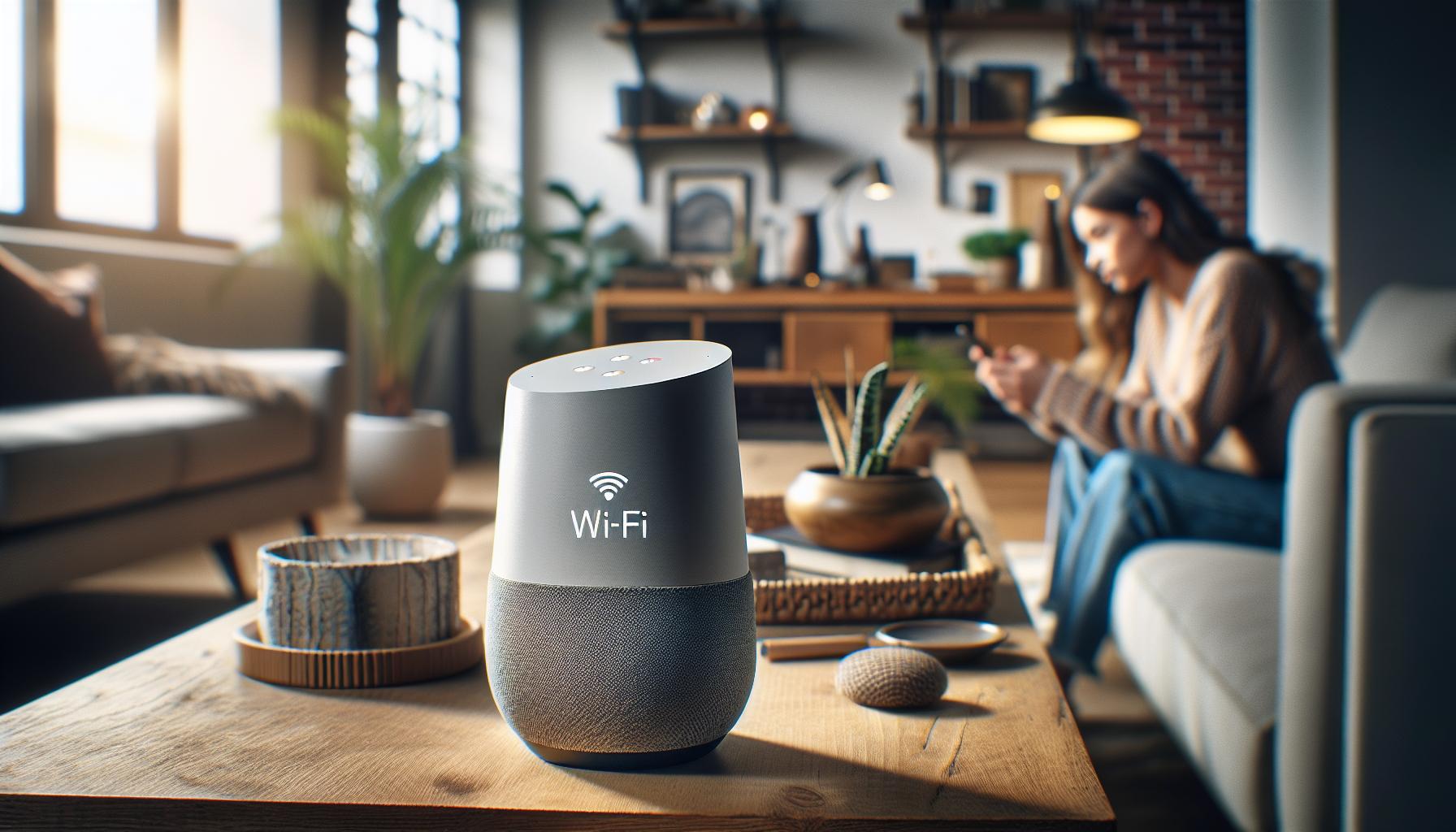
Connecting Google Home to Wi-Fi
Connecting your Google Home device to Wi-Fi is a crucial step in fully utilizing its capabilities. Once your Google Home is online, it can access the internet to stream music, control smart devices, provide real-time weather updates, and more, transforming your home into a smart living hub. If you’re wondering how to connect your Google Home to Wi-Fi, follow these simple steps to get started.
First, ensure that you have the Google Home app installed on your smartphone or tablet. This app will be your primary tool for setting up and managing your Google Home device. To begin the setup process, make sure your Google Home device is plugged in and powered on. When it boots up, a colorful light will pulse on the top to indicate it’s ready for setup.
Next, open the Google Home app and tap the “+” icon in the upper left corner to add a new device. Select “Set up device,” followed by “New devices” in your home. The app will prompt you to choose which home you’d like the device to be associated with, and it will scan for nearby devices. When it detects your Google Home device, select it and follow the on-screen instructions. As part of this process, you will be asked to choose your Wi-Fi network.
It’s essential that the Wi-Fi network you choose matches the settings of your smartphone. If your phone is on a different network, your Google Home will not be able to connect. After selecting your Wi-Fi network, enter the password when prompted. Once you’ve confirmed the password, the app will establish a connection to the internet.
After the connection is successful, your Google Home device will start updating its software. This may take a few moments, but once complete, you’ll receive a confirmation notification. At this point, your Google Home is ready to respond to voice commands, play music, and control your smart home devices!
Remember, a stable Wi-Fi connection is essential for the effective functioning of Google Home, so ensure your router is positioned within a reasonable distance for optimal signal strength. If you encounter any issues during the setup, consult the Google Home app for troubleshooting options or refer to the Google support website for further assistance. Enjoy your smart home experience!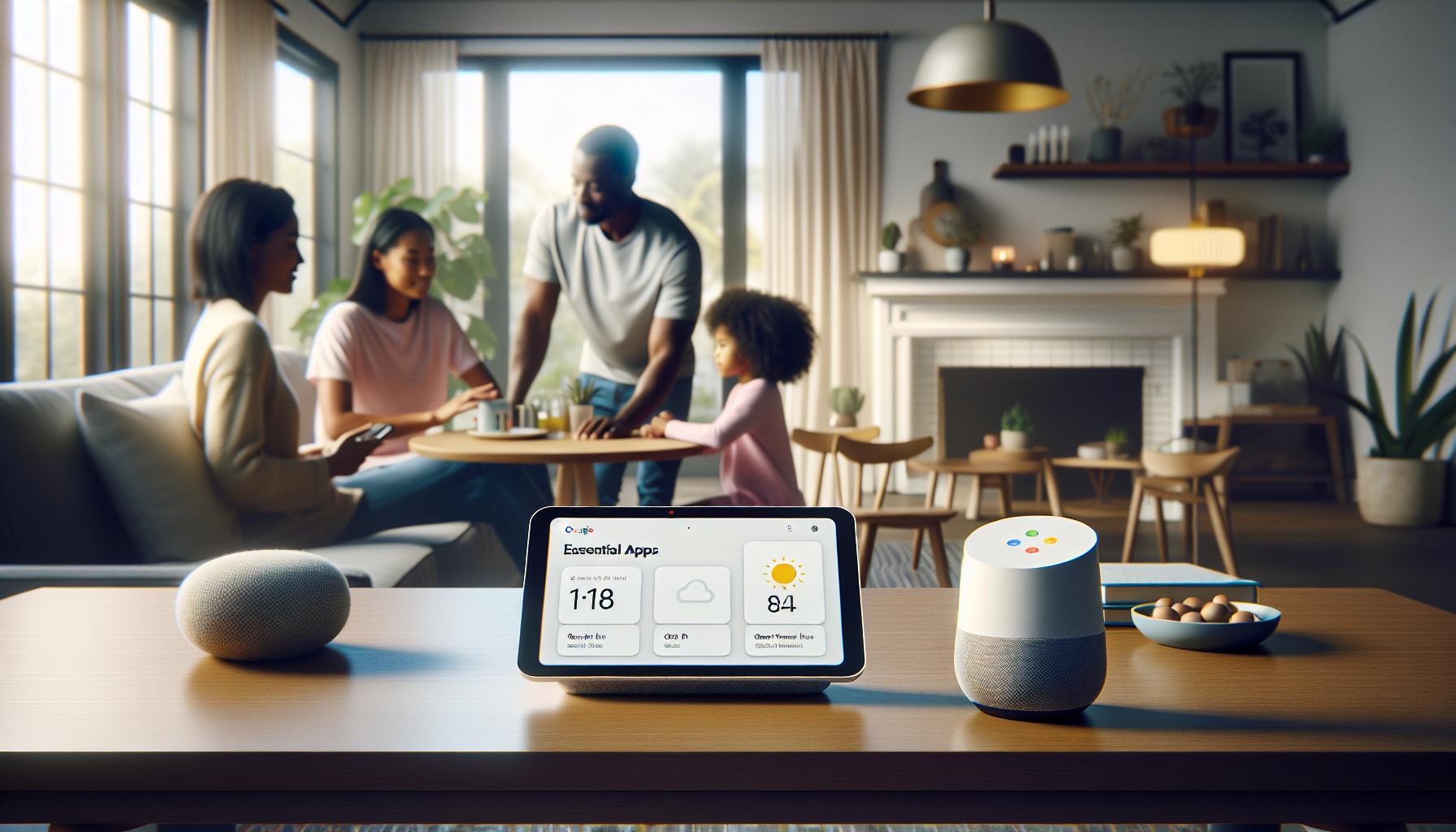
Essential Apps for Google Home Integration
To maximize the capabilities of your Google Home device, integrating it with essential apps is not just beneficial-it’s a game changer. With the right applications, you can unlock features for music control, home automation, and seamless interaction with your other devices, ensuring a more connected and efficient lifestyle.
Key Apps for Google Home Integration
Several apps enhance the functionality of Google Home, making it easier to manage your smart home environment. Here are some must-have integrations:
- Spotify: Stream your favorite playlists or discover new music with simple voice commands. Just link your Spotify account in the Google Home app, and you’re ready to rock!
- Philips Hue: If you have smart bulbs, controlling them through Google Home is a breeze. Use voice commands to adjust brightness, change colors, or create ambient lighting scenarios.
- Nest: Integrate your Google Nest devices for comprehensive control over your home’s temperature, security cameras, and smart doorbells, all through your Google Home.
- IFTTT: This powerful tool allows you to create custom automations between apps and devices. Set up specific triggers, like turning on your lights when you arrive home.
- Netflix: Want to stream your favorite shows? Link your Netflix account and use voice commands to start watching anything you desire on your Chromecast-enabled devices.
Connecting and Managing Your Apps
To connect these apps to your Google Home:
1. Open the Google Home app on your smartphone.
2. Tap on the “+” icon to add a new service.
3. Follow the prompts to link your desired applications by logging into your accounts.
By integrating these apps with your Google Home, you’re not just enhancing functionality; you’re creating a cohesive smart home ecosystem that can adapt and evolve with your daily needs. This setup allows for effortless control, providing a smoother lifestyle that can meet the demands of modern living.
Making the most of Google Home requires knowing which apps to use and how to leverage their features. As you explore each app’s capabilities, you’ll find that your Google Home can become the multifunctional command center you always envisioned.
Customizing Google Home Settings
Customizing your Google Home settings is key to tailoring the device to fit your personal needs and lifestyle. With a few adjustments, you can enhance the functionality, improve voice recognition, and ensure that your smart home environment operates seamlessly. Whether you’re changing the wake word for more responsive interactions or personalizing your Google Assistant’s voice, each setting modification can lead to a more intuitive experience.
One of the first areas to explore is the Assistant’s Voice. Google offers multiple voice options, so you can select one that’s most pleasant to you. To change the voice, simply go to the Google Home app, tap on your profile picture, then select “Assistant settings.” From there, navigate to the “Assistant voice” section and pick from the available choices. This simple adjustment can make your interactions feel more engaging and tailored to your preferences.
Next, you can customize your devices and services linked to Google Home, enhancing how your smart home responds to your commands. Integrate everything from lights to locks through the Home app, and ensure each device is appropriately named for easy voice activation. For instance, if you have multiple smart bulbs, you might want to name them by their location (“living room light,” “kitchen light”) to avoid confusion during voice commands. You can manage these settings by selecting “Devices” within the Google Home app, where you can add or edit your smart devices.
Lastly, explore the personalized routines that Google Home offers. Routines allow you to automate multiple actions with a single command. For example, you can create a “Good Morning” routine that turns on your coffee maker, starts your favorite playlist, and adjusts the thermostat-all at once. To set a routine, tap on the “Routines” option in the Google Home app and follow the prompts to customize actions and scheduling. This feature can significantly enhance the efficiency and convenience of your daily activities, making your Google Home a truly personalized assistant.
By exploring and tweaking these settings, you’ll not only enhance the interaction quality but also make your Google Home a smarter, more efficient part of your daily life.
Using Voice Commands Effectively
Voice commands are the backbone of interacting with your Google Home, turning your device into a truly hands-free assistant. However, leveraging these commands effectively can transform your experience, making your smart home feel more intuitive and responsive. One key to making the most of voice commands is using clear and specific phrases. For instance, rather than saying “turn on lights,” try “turn on living room lights” to ensure your command is directed to the right device.
Another important aspect is to familiarize yourself with various command structures. Google Assistant recognizes not just commands but also questions. You can ask, “What’s the weather today?” or give commands like “Play my morning playlist.” By knowing the kinds of commands Google Home accepts, you can seamlessly integrate it into your daily routines. Keep in mind that accessibility plays a role here; if you have devices spread across different locations, label them with location names within the Google Home app (e.g., “bedroom lamp,” “kitchen thermostat”) for easier recognition.
Additionally, utilizing routines can enhance how you use voice commands. Routines allow you to combine multiple commands into a single phrase. For example, creating a “Good Night” routine can automatically turn off all your lights and lock the doors with just one command. To set these up, open the Google Home app, navigate to Routines, and customize actions according to your preferences. This not only saves time but also makes your interactions feel more organized and efficient.
Lastly, practice active listening. If Google Assistant misunderstands a command, rather than getting frustrated, try rephrasing your request. Using variations can help the device learn and adapt to your speech patterns. This adaptability improves both your experience and Google Home’s response accuracy over time. Stay patient and enjoy exploring the diverse ways to control your Google Home effortlessly!
Exploring Google Assistant Functionalities
Exploring the functionalities of Google Assistant reveals a world of possibilities that can elevate your smart home experience. From setting reminders to controlling your smart devices, Google Assistant acts as your personal virtual aide, making daily tasks easier and more efficient. One of the standout features is the ability to create personalized routines that streamline your interactions throughout the day.
For instance, you can activate a morning routine that not only turns on your lights and plays your favorite music but also reads you the news and weather. To set this up, simply open the Google Home app, navigate to the “Routines” section, and customize the actions according to your preferences. The flexibility of routines allows you to combine multiple tasks into a single command, optimizing your time and automating your day-to-day activities.
Moreover, Google Assistant supports a wide range of integrations with third-party services and smart home devices. By linking your Google Assistant to compatible devices, you can control everything from thermostats and lights to security cameras and speakers with just your voice. Ensure that you explore various supported apps and devices, as the extensive compatibility can significantly enhance your smart home ecosystem.
To make your experience even more rewarding, familiarize yourself with the various types of commands Google Assistant recognizes. Whether you’re seeking information, controlling devices, or managing tasks, knowing the specific phrasing of commands can help improve response rates. For example, rather than simply commanding “play music,” specify “play my workout playlist on Spotify” for a more targeted action. This attention to detail not only helps Google Assistant understand your context better but also enriches the convenience of your smart home setup.
Troubleshooting Common Google Home Issues
If you’ve just set up your Google Home device and found yourself facing unexpected issues, you’re not alone. Many users encounter common hiccups that can disrupt their smart home experience. Fortunately, troubleshooting these problems can often be straightforward with a few simple steps.
One of the most frequent issues relates to connectivity. If your Google Home isn’t connecting to Wi-Fi, start by checking that your router is functioning properly. Ensure your Wi-Fi network is active (green light is typically a good sign) and that your device is within range. You can also try rebooting your router and Google Home device, which resolves many temporary glitches. If your Google Home is still having trouble connecting, consider removing it from the Google Home app and setting it up from scratch.
Another common problem is the device not responding to voice commands. If your Google Home seems unresponsive, first check the microphone switch, as it might be turned off. Confirm that the device has the latest software updates; outdated software can lead to performance issues. Additionally, ensure your voice is being recognized properly-sometimes background noise or accents can affect command recognition. Speaking clearly and using direct commands can help improve responsiveness.
For those encountering setup errors while programming routines or integrating smart devices, referring to the Google Home app’s troubleshooting section can provide targeted solutions. Sometimes it might be the case that particular devices are incompatible or require additional setup steps. Make sure to verify device compatibility within the app and check that all devices are on the same Wi-Fi network.
Lastly, if persistent issues occur, consider resetting your Google Home device to factory settings. This process can eliminate long-standing technical difficulties, clearing the slate for a fresh start. To reset your device, locate the physical reset button (or follow in-app instructions) and hold it for about 15 seconds. After resetting, you’ll set it up as new, which often resolves issues that weren’t solvable through other means.
By keeping these solutions in mind, you can address common challenges effectively, ensuring your Google Home functions smoothly and seamlessly integrates into your daily life.
Enhancing Google Home with Smart Devices
Integrating smart devices with Google Home can transform your living space into a seamlessly connected environment. Imagine controlling your lights, thermostat, security cameras, and more-all with simple voice commands or through the Google Home app. The process of enhancing your Google Home setup with compatible smart devices not only improves your convenience but also elevates your smart home experience to the next level.
To get started, ensure you have a variety of smart devices ready for integration. Whether it’s smart bulbs, thermostats, or security cameras, compatibility is key. Most popular brands, such as Philips Hue for lighting or Nest for temperature control, are designed to work effortlessly with Google Home. Begin by installing the necessary apps for your smart devices on your smartphone; this will be crucial for setup and management. Follow these steps for a smooth integration:
- Connect Devices to Wi-Fi: Before you can command your smart devices through Google Home, make sure they are connected to your home Wi-Fi network.
- Add Devices through Google Home App: Open the Google Home app, tap on the ‘+’ button to add a device, and select ‘Set up device.’ Here, you can link your smart devices by following the prompts.
- Check for Updates: Ensure all devices and apps are updated. Regular updates from manufacturers improve compatibility and functionality.
Once your devices are linked, the real fun begins. You can create routines-a series of actions triggered by a single command. For example, saying “Good morning” can turn on your coffee maker, adjust the thermostat, and turn on your favorite morning playlist. This command could be set up in the app by selecting ‘Routines’ and customizing which actions are performed when you send the trigger phrase.
Finally, be mindful of maintaining security across all connected devices. Regularly review and manage your device settings in the Google Home app. Enable two-factor authentication whenever possible and routinely change your Wi-Fi password to safeguard your smart home ecosystem.
By thoughtfully selecting and integrating smart devices, you enhance your Google Home capabilities, making daily routines more efficient and elevating your overall comfort at home.
Tips for Maintaining Google Home Security
As smart home devices become increasingly common, ensuring the security of your Google Home setup is essential. Cybersecurity threats are a real concern in our interconnected world, making vigilance vital to protect your personal data and privacy. By taking proactive steps to secure your devices and network, you can enjoy the conveniences of Google Home with peace of mind.
One of the simplest yet most effective strategies is to enable two-factor authentication (2FA) on your Google account. This extra layer of security requires not just your password, but also a second form of identity verification, such as a code sent to your phone. This can significantly deter unauthorized access. Additionally, be vigilant about password management. Use strong, unique passwords for your accounts and consider employing a password manager to keep track of them safely. Regularly changing your passwords adds an extra level of protection.
Maintaining a secure Wi-Fi network is equally important. Ensure your router uses WPA3 encryption, change the default router passwords, and hide your SSID to prevent outsiders from easily accessing your network. Regularly reviewing the list of connected devices on your network can help identify any unfamiliar devices that could signal a security breach. If you have guests who need to access your Wi-Fi, set up a guest network, so your primary network remains secure.
Monitoring the security settings of your smart devices through the Google Home app is essential. Regularly check for updates for your smart home devices and apps, as these updates often include important security patches. Customize your device settings to limit access only to those who need it. You can also utilize security cameras and smart doorbells that integrate with Google Home, allowing you to monitor your home in real time and receive alerts if any unusual activity is detected.
By being proactive about security, you can not only enhance your Google Home experience but also protect your home and privacy. Keeping up with these practices allows you to harness the benefits of smart technology, knowing you’ve taken the necessary steps to safeguard your environment.
Advanced Automation with Google Home
With the ever-growing array of smart devices available today, diving into can transform your living space into a seamlessly connected environment. Harnessing automation effectively not only enhances convenience but can also save energy and enhance security. Imagine coming home to a house that adjusts the thermostat, turns on the lights, and plays your favorite music-all at once!
To begin setting up advanced automations, you first need to explore the various triggers and actions within the Google Home app. Triggers can be time-based, such as scheduling a routine to activate every evening at sunset, or event-based, like using a door sensor that activates when someone enters the house. Actions can include anything from turning off all lights when everyone leaves, to adjusting smart blinds based on the time of day. By combining these elements, you can create automations tailored to fit your daily life.
### Getting Started with Automations
To create your first automation, follow these simple steps:
- Open the Google Home app and tap on “Routines” found in the main menu.
- Select “Create new routine” and set the desired trigger (time, action, etc.).
- Add actions by choosing from the available smart devices; for example, set “Turn on living room lights” or “Adjust thermostat to 72°F.”
- Save the routine and test it out to ensure everything works as planned.
### Real-World Examples
Consider the scenario where you want to create a “Movie Night” routine. You could set this routine to activate when you say “Hey Google, movie night.” This could dim the lights, shut the shades, and start your preferred streaming service. This makes your viewing experience intimate and hassle-free.
Moreover, utilizing sensors or geofencing can add another layer of automation. For instance, you can program lights to turn on automatically as you approach your home or to turn off when you leave a specified area, ensuring convenience and efficiency without manual intervention.
Implementing these advanced automation strategies not only enhances the functionality of your Google Home system but also creates a more responsive and enjoyable living environment. As you grow more comfortable with the systems, don’t hesitate to revisit and adjust your automations-your needs may change as your home and lifestyle evolve!
Q&A
Q: How do I set up my Google Home for the first time?
A: To set up your Google Home, plug it in and download the Google Home app on your smartphone. Open the app, sign in with your Google account, and follow the on-screen instructions to connect your device to Wi-Fi and customize your settings.
Q: What should I do if my Google Home won’t connect to Wi-Fi?
A: If your Google Home won’t connect to Wi-Fi, ensure it’s within range of your router and check the Wi-Fi password. Restart your router and Google Home device. If problems persist, try resetting the Google Home to factory settings and attempt the setup again.
Q: Can I use Google Home without a smartphone?
A: No, a smartphone is required at least for the initial setup of Google Home. Once set up, you can control Google Home with voice commands independently, but access to the Google Home app is essential for adjustments and updates.
Q: How can I link my streaming services to Google Home?
A: To link streaming services, open the Google Home app, navigate to “Settings,” then “TVs and speakers,” and choose “Link services.” Follow on-screen prompts to add and manage your streaming accounts for voice command access.
Q: How do I change the default voice for Google Assistant?
A: To change Google Assistant’s voice, open the Google Home app, go to “Settings,” then “Assistant,” and tap on “Assistant voice.” Choose from the available voice options to customize how Google Assistant responds to you.
Q: Is it possible to customize routines on Google Home?
A: Yes, you can customize routines on Google Home. Open the Google Home app, select “Routines,” and tap the “Add” button. You can create routines that trigger multiple actions with a single voice command, simplifying your daily tasks.
Q: What can I do if Google Home doesn’t understand my voice commands?
A: If Google Home struggles to understand your commands, check for background noise or ensure your accent is clear. Adjust the “Voice Match” settings in the app for personalized recognition, and consider retraining your voice model for improved accuracy.
Q: How do I manage smart devices with Google Home?
A: To manage smart devices, open the Google Home app and select “Add” to link compatible smart devices. Use voice commands or the app to control devices individually or in groups, enhancing your smart home experience and convenience.
In Conclusion
Now that you’ve learned how to program your Google Home, why not take your smart home experience to the next level? With features like automation and voice commands, the possibilities are endless! If you have any lingering questions or need further guidance, our related articles on “Maximizing Google Home’s Features” and “Troubleshooting Common Google Home Issues” can provide the assistance you need.
Don’t miss out-subscribe to our newsletter for tips and tricks tailored to enhance your smart home journey, or explore our product pages for the latest smart home devices. Your seamless Google Home experience is just a few clicks away. Join our community of users who are already enjoying a smarter living space and share your experiences or questions in the comments below. Let’s make your home smarter together!
Get our latest guides, news, and insights highlighted in your Google Search & AI Overviews.