
Maintaining a clean home can feel overwhelming, especially for those facing financial hardships or health challenges. Fortunately, government assistance programs offer options for individuals and families to access free house cleaning services. These programs are designed to ease the burden on low-income families, the elderly, or those managing significant medical conditions. By understanding how to access these resources, you can take a crucial step towards creating a healthier living environment and relieving some stress from your daily life. In the following sections, we’ll explore various government and nonprofit programs available to help you secure free cleaning services, guiding you on how to apply and what eligibility criteria to meet. Let’s dive in and discover the support that’s out there for you.
How Government Programs Support House Cleaning Needs
Struggling to maintain a clean and safe home can create added stress, particularly for those facing health challenges or financial hardship. Government programs play a crucial role in alleviating these burdens, providing essential cleaning services to vulnerable populations, such as the elderly, disabled, and low-income families. By offering a variety of resources and support, these programs ensure that individuals have access to a hygienic living environment, which is foundational for health and well-being.
Many local and state programs offer financial assistance or direct cleaning services for eligible residents. For instance, some Area Agencies on Aging provide free or low-cost cleaning services for seniors who meet specific income criteria. Additionally, states might collaborate with non-profit organizations to deliver housekeeping support to disabled individuals and veterans, ultimately enhancing their quality of life and increasing their independence at home. Understanding what types of assistance are available can empower individuals to seek help effectively.
Accessing these services often involves a straightforward application process. In general, applicants will need to provide documentation of their financial situation, details about their living conditions, and proof of their eligibility based on age or disability status. Many resources, like the Eldercare Locator and local health departments, can guide individuals through the process, ensuring they find suitable options tailored to their unique needs. By tapping into these government programs, residents can transform their living spaces, fostering healthier and more comfortable homes.
Types of Government Assistance for Free Cleaning
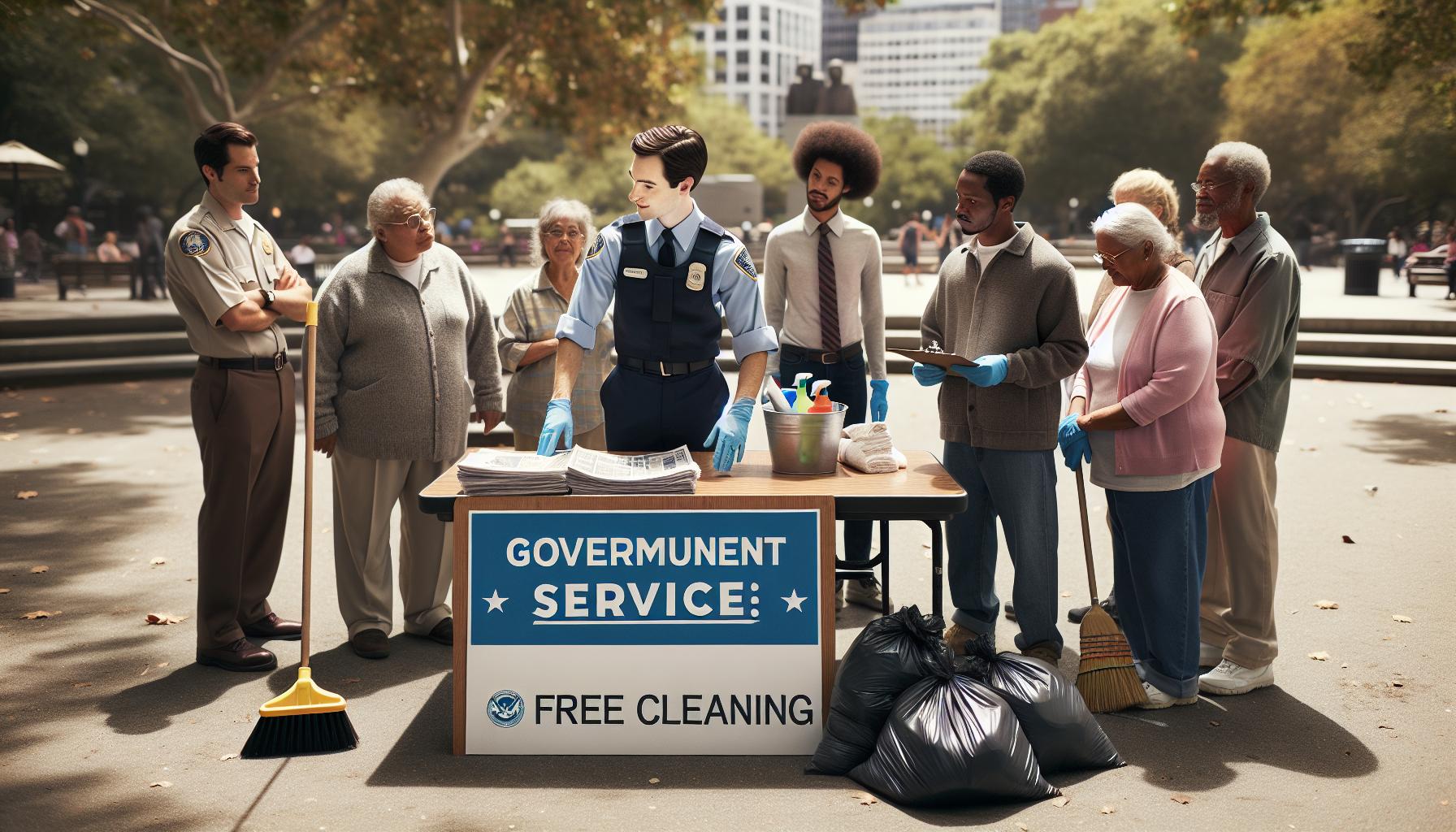
Many individuals may be surprised to learn that various government programs exist to aid those struggling with house cleaning needs. These resources can play a pivotal role in enhancing the quality of life for seniors, low-income families, and individuals with disabilities. By providing access to free or subsidized cleaning services, these programs alleviate some of the burdens of maintaining a clean living environment, which is essential for overall health and well-being.
One significant type of assistance comes from Area Agencies on Aging. These localized agencies offer cleaning services specifically tailored for seniors, often at little or no cost based on income levels. In many regions, non-profits collaborate with state governments to facilitate housekeeping support, which may include light cleaning, laundry, and shopping assistance for individuals with disabilities or chronic health conditions. These initiatives are essential in helping people maintain independence in their homes.
Additionally, some programs allow caregivers to receive compensation for providing cleaning and personal care services to family members. States may have Medicaid-funded programs that enable such arrangements, recognizing that family support significantly contributes to the well-being of individuals needing assistance. Furthermore, Homemaker Services provided by non-medical personnel can also serve households needing extra help with chores like meal preparation, laundry, and general cleaning, ensuring a more manageable living situation for vulnerable populations.
In conclusion, anyone facing difficulties in maintaining a clean home should explore available options through government programs and local agencies. Laying out a plan to access these services can lead to a significant improvement in living conditions, allowing individuals to focus on their health and happiness rather than overwhelming cleaning tasks.
Eligibility Criteria for House Cleaning Aid

Determining eligibility for house cleaning aid can illuminate the pathways available to those needing assistance, whether due to age, disability, or financial constraints. Many government programs aim to support vulnerable populations by offering cleaning services, often free or at a subsidized cost. Understanding the specific criteria can empower you to access these vital resources.
To qualify for house cleaning aid, typically the following criteria are assessed:
- Age and Disability Status: Many programs primarily target seniors (often 60 years and older) and individuals with disabilities. Providing proof of age or disability, such as a birth certificate or medical documentation, is generally required.
- Income Level: Most assistance programs have income thresholds that applicants must meet to qualify. For example, many programs consider an applicant’s income relative to the local median income. Often, if your household income is at or below 200% of the federal poverty level, you may be eligible.
- Residency: Programs typically require applicants to be residents of the state or area from which they seek assistance. Proof of residency may be necessary to process applications.
- Specific Needs: Some programs, especially those funded through Medicaid, assess the specific needs of the individual. This can include requiring assistance with daily living activities such as cleaning, personal care, and meal preparation.
It’s also crucial to explore specific local and state programs, as eligibility requirements can vary significantly. For instance, Area Agencies on Aging often provide tailored services for seniors and might have additional criteria based on local needs. Applicants should consider checking with state health departments or local social services to find out about specific assistance programs available in their area.
In conclusion, understanding the eligibility criteria for government-assisted house cleaning services can simplify the process of accessing much-needed support. By ensuring you meet the requirements outlined by specific programs, you can take significant steps towards improving your living environment and maintaining independence in your home.
Step-by-Step Guide to Accessing Assistance
Accessing government assistance for free house cleaning services can significantly ease the burden of maintaining a clean home, especially for those facing age, disability, or financial constraints. The process, while straightforward, can seem daunting if you’re unsure where to begin. Here’s a step-by-step guide to navigating the available options effectively.
Understand Your Eligibility
Before diving into the application process, take time to understand the eligibility criteria for various programs. Generally, programs target seniors, people with disabilities, and low-income households. Check if you meet the following criteria:
- Age: Many programs require you to be at least 60 years old.
- Disability Status: Proof of a disability may be necessary for qualifying programs.
- Income Level: Most programs have income limits, such as being below 200% of the federal poverty level.
- Residency: You must typically live in the area where you are applying for assistance.
Gather Necessary Documentation
Once you’ve established eligibility, the next step is to gather required documentation. This may include:
- ID proof (like a driver’s license or state ID)
- Income statements (pay stubs, tax returns, or Social Security documents)
- Medical documentation, if applying due to a disability.
- Proof of residency (a recent utility bill or lease agreement).
Research Local Programs
Local agencies often provide assistance tailored to community needs. Resources such as Area Agencies on Aging or your local Department of Social Services can guide you to specific programs available in your area. For example, many states offer the In-Home Supportive Services (IHSS) Program, designed to help individuals remain safely in their homes by providing necessary support, which might include cleaning services.
Complete the Application Process
After identifying the right program, complete the application process. This usually involves filling out a form that may be available online or in-person. Be honest and thorough in your responses, ensuring all required documents are attached. If you’re uncertain about any part of the application, don’t hesitate to reach out to a program representative for assistance.
Follow Up on Your Application
After submitting your application, it’s vital to follow up. Keep a record of your submission and any reference number provided. Contact the agency if you haven’t heard back within a few weeks. Inquire about the status of your application and any additional information they may need to process your request.
This structured approach not only simplifies the application process but also empowers you to take control over your living conditions. By leveraging these resources, you can secure the cleaning assistance that can help maintain a safe and comfortable home environment.
How to Apply for Cleaning Service Benefits
Applying for government-assisted cleaning services can be a vital step toward improving your living conditions, especially for those who are elderly, disabled, or experiencing financial hardship. It’s essential to approach the application process with clarity and preparation to enhance your chances of receiving the help you need.
Begin by identifying which specific program suits your circumstances. Many states have local initiatives, such as the In-Home Supportive Services (IHSS) Program, that provide various support options, including cleaning assistance. Being informed about the different types of programs available in your area can save you time and effort. Local Area Agencies on Aging or your state’s Department of Social Services are excellent places to start your research, as they often compile resources and eligibility requirements specific to your location.
Once you have pinpointed a suitable program, prepare to gather the necessary documents. Generally, this includes identification (like a driver’s license), proof of income (such as pay stubs or tax returns), medical documentation for disabilities if applicable, and proof of residency (like a utility bill). Check with the program’s requirements to ensure you have everything needed, as incomplete applications may lead to delays in approval or assistance.
After gathering your documents, submit your application. Most applications are available online, but you can also inquire about in-person options if you prefer to receive guidance through the process. Be thorough and accurate in filling out the application, as errors or omissions can halt your progress. If you have questions, don’t hesitate to contact a program representative for assistance.
Lastly, follow up on your application to ensure it is being processed. Keep records of your submission and any contact with the agency, and make a note to check back in a few weeks if you haven’t heard anything. Understanding the timeline and process for your specific program can help set your expectations realistically. This proactive approach will not only help you stay informed but also increase your chances of successfully accessing the cleaning services you need.
Exploring Local and State Resources
Many community members are unaware of the vital resources available locally and at the state level that can assist with free house cleaning services. Various programs exist, often funded by state or federal funds, aimed at helping low-income individuals, seniors, and those with disabilities maintain a clean and safe living environment. By taking the time to explore these resources, you can find the support necessary to ease the burden of housekeeping.
Local Programs
Local initiatives frequently exist to provide free or low-cost cleaning services. Contacting your Area Agency on Aging can be an excellent first step, as they typically have a wealth of information about programs available in your region. Many counties also have Community Action Agencies that focus on helping residents improve their home environment through services that may include home cleaning assistance. Local churches and nonprofit organizations sometimes offer support lines for individuals in need, enabling them to connect with volunteer cleaning services or charitable programs.
State Resources
At the state level, specific assistance programs are tailored to different needs. For example, programs like the In-Home Supportive Services (IHSS) are designed for elderly or disabled individuals who require non-medical support at home, which can include cleaning. Each state has its own guidelines regarding income thresholds and eligibility criteria, so checking with the Department of Social Services in your state is key to understanding what assistance you may qualify for.
Researching Your Options
Take proactive steps to research and apply for cleaning assistance. A simple online search can yield a variety of local state programs, or you might choose to dial 211, a free resource that connects individuals to community services, including cleaning assistance. When exploring these options, ensure you review eligibility criteria, which can include factors such as income level, age, or disability status, to determine the programs that apply to your situation.
By being informed and diligent, you can successfully navigate the available local and state resources, making it possible to maintain a livable and hygienic home environment without undue strain on your finances or physical capacity.
Impact of COVID-19 on House Cleaning Assistance
The COVID-19 pandemic has significantly altered the landscape of house cleaning assistance, increasing both demand and challenges for individuals seeking help. Many people, especially seniors and those with underlying health conditions, became more aware of their vulnerable situations during the pandemic, prompting a greater need for cleaning services. Social distancing measures heightened concerns about hygiene, making regular cleaning essential for health and safety. As a result, government programs and community organizations began adjusting their services to meet this urgent demand.
In response to the pandemic, several government and nonprofit initiatives expanded their cleaning assistance programs. They tailored eligibility criteria to encompass a broader range of individuals, including those impacted economically by the crisis. Many local agencies and nonprofit organizations initiated special COVID-19 cleaning campaigns, partnering with volunteers or professional cleaners to assist households in need. These initiatives often focused on ensuring that vulnerable populations-particularly the elderly and disabled-had access to sanitization and cleaning resources. For example, community efforts organized by local Area Agencies on Aging frequently sought to connect those in isolation with cleaning services, fostering not only physical health but also mental well-being through community support.
However, the pandemic also underscored some lasting challenges. Staffing shortages in the cleaning industry became prevalent due to health concerns and economic instability, limiting the number of available workers to meet increased demand. To navigate these obstacles, individuals seeking assistance are encouraged to proactively explore options and apply early, recognizing that services may be limited. Utilizing resources such as government websites or local referrals can streamline access to the support needed.
Overall, the pandemic highlighted the critical need for accessible cleaning services and fostered a renewed sense of community responsibility. As we move forward, continuing to advocate for and utilize these support systems remains crucial in helping individuals maintain safe and healthy living environments.
Community Organizations Offering Free Cleaning Services
Community organizations play a critical role in providing free house cleaning services, especially for individuals who may lack the resources or support to maintain a clean and safe home. Many of these organizations are dedicated to serving vulnerable populations, including seniors, individuals with disabilities, and low-income families. They often rely on volunteers and partnerships with local cleaning service providers, which allows them to offer these essential services without charging clients.
Notable Community Programs
Some organizations specifically target house cleaning needs as part of broader social support initiatives. For instance, the Servant’s Heart Program connects individuals in need with cleaning services offered by compassionate volunteers and professional cleaners. Without strict eligibility limitations, this program helps a diverse group of people, ensuring that anyone in need can access cleaning assistance, which is particularly valuable for those in crisis situations or with chronic health needs [[3]].
Another example is local community action agencies, which often provide cleaning services alongside other forms of assistance, such as food and housing support. These agencies may offer specific programs to help families maintain hygiene and safety within their homes, particularly following the challenges posed by the COVID-19 pandemic. Many community organizations also leverage local volunteer networks to offer one-time or regular cleaning services, showing the power of community involvement in addressing urgent needs.
How to Connect with Local Services
To access free house cleaning services, individuals can take the following steps:
- Contact local community action agencies or Area Agencies on Aging for information about available services.
- Visit websites for nonprofit organizations that specialize in aiding vulnerable populations. Many of them list their services and eligibility requirements online.
- Utilize tools like the Eldercare Locator, which can help seniors find local services, including cleaning assistance [[1]].
By reaching out to these organizations, individuals can discover the resources available in their community and determine eligibility for assistance. Whether through established nonprofit programs or local grassroots efforts, there are numerous avenues to explore for those in need of house cleaning services.
Navigating Section 8 and Housing Vouchers
Understanding how to navigate government housing assistance programs such as Section 8 can be pivotal for individuals seeking support for essential needs, including house cleaning. Section 8, officially known as the Housing Choice Voucher Program, is designed to help low-income families afford safe housing in the private market. One lesser-known benefit of this program is that it can potentially extend support to services like house cleaning, ensuring that individuals maintain a clean living environment without overwhelming financial strain.
To connect house cleaning assistance with Section 8, it’s important to recognize how vouchers can help subsidize housing. Participants in the program often face challenges in maintaining their homes due to financial constraints, physical disabilities, or other health issues. While Section 8 itself does not directly fund cleaning services, the financial relief it provides can free up resources for recipients to hire professional cleaners or enlist family members’ help. Additionally, some local housing authorities may have programs that include budgeting for housekeeping services as part of a comprehensive support plan.
If you are a Section 8 voucher holder looking for house cleaning help, consider taking the following steps:
- Consult with your housing authority: Reach out to your local housing authority to inquire about additional support services available for Section 8 participants, including any recommendations for cleaning assistance.
- Assess eligibility for local programs: Research community-based organizations that offer cleaning services, which may accept referrals from Section 8 programs.
- Inquire about informal arrangements: Many participants have family or friends who could assist with cleaning. In some cases, the cost of this assistance may be supported within the housing budget if confirmed with your housing authority.
Understanding the intersection of housing assistance and cleaning services requires building awareness of resources available in your specific area. Each community may have different programs that cater to the unique challenges faced by low-income families. By leveraging both your Section 8 benefits and local support services, you can work towards maintaining a clean and healthy home environment. Empowerment through knowledge is key, enabling you to access the comprehensive assistance you deserve.
Tax Credits and Deductions for House Cleaning Costs
Claiming tax credits and deductions for house cleaning expenses can provide financial relief for individuals and families striving to maintain a clean living environment. While house cleaning might not always qualify for a direct tax deduction, understanding the guidelines and possible financial supports can help alleviate some of the costs associated with maintaining a home, especially for those with disabilities or low incomes.
If you are paying for cleaning services, these costs may qualify under specific circumstances. For instance, if you are elderly or disabled, you may be able to claim home care expenses as medical deductions on your tax return. According to IRS guidelines, if cleaning services are necessary for the health and well-being of a patient (like a household member who is chronically ill), the expenses may be deductible. It’s essential to keep accurate records of all cleaning bills and receipts as proof of these expenditures.
Eligibility Criteria for Tax Deductions
To qualify for tax deductions related to cleaning services, consider the following criteria:
- Condition of Home: The cleaning must be necessary for the health of an individual who lives in the home.
- Detailed Documentation: Ensure to keep receipts and document the necessity of the cleaning services related to medical conditions.
- Income Limits: Some tax deductions are subject to income thresholds, so it’s crucial to review your eligibility.
How to Claim Cleaning Service Deductions
- Identify Eligible Cleaning Expenses: Determine if the cleaning service is medically necessary as outlined above.
- Gather Documentation: Keep all receipts, invoices, and any relevant medical documentation that supports your claim.
- Consult the IRS Guidelines: Review the IRS Publication 502, which details medical expenses and deductions.
- File Your Taxes: Use the appropriate forms to include these deductions when filing your taxes, and consider consulting a tax professional to ensure you’re maximizing your benefits.
Understanding what counts as a qualified expense and how to navigate the tax code can empower individuals facing financial challenges to reduce their cleaning costs legally. By taking the time to explore these avenues, you can apply tax benefits that support your quality of life and financial stability.
Success Stories: Beneficiaries of Cleaning Programs
Many individuals and families facing challenges related to mobility or health have found solace and support through government assistance programs that provide free house cleaning services. These programs have not only alleviated the burden of maintaining a clean home but also restored dignity and peace of mind to countless beneficiaries.
Take the story of Mary, a retired teacher in her 70s, who faced increasing difficulty managing household chores after a hip replacement surgery. With limited mobility and a tight budget, Mary turned to local programs that facilitate cleaning services for seniors. Through a non-profit organization connected with her local government, she accessed weekly cleaning services at no cost. The relief she felt was profound-not only did her home become more manageable, but she also regained the confidence to invite friends over, something she had neglected for years. Thanks to these services, Mary could enjoy her golden years with a cleaner living space, which significantly boosted her mental well-being.
Then there’s James, a young man living with a disability who struggled with daily tasks due to chronic health issues. Through Medicaid’s Home and Community-Based Services (HCBS), he qualified to receive assistance for cleaning services. Cleanliness not only impacts physical health but also plays a substantial role in emotional health. James noted that with these services in place, he no longer felt overwhelmed by clutter; instead, he could focus on his hobbies and interests, which significantly improved his quality of life. Programs like HCBS help individuals like James not just by providing cleaning assistance, but by fostering independence and encouraging engagement in healthy activities.
These success stories showcase the transformative effects of house cleaning assistance programs, emphasizing the importance of community support and accessible resources. Many people are unaware of the help available to them, so spreading the word about these programs can empower others to seek the assistance they need. Taking the first step may seem daunting, but for many, the impact is life-changing.
Additional Resources for Housing Support and Cleaning
Many individuals may not realize that a wealth of resources exists to support those seeking assistance with house cleaning, especially for vulnerable populations like the elderly and disabled. These resources can provide not just cleaning services but also an array of housing support options that can enhance the quality of life for many. Understanding where to find help is an essential first step in accessing these valuable services.
National Programs and Local Organizations
Across the United States, various programs aim to assist individuals with cleaning needs. For instance, the Servant’s Heart Program connects those in need of cleaning services with professional cleaning providers willing to help at no or low cost. Unlike traditional charity programs, this initiative has flexible eligibility, ensuring that many can receive assistance without stringent criteria. Engaging with local nonprofits or community organizations can also uncover similar programs tailored to specific demographics or needs.
Financial Assistance Resources
Income-based resources are available for those struggling financially. Programs like Medicaid’s Home and Community-Based Services (HCBS) offer essential assistance by funding cleaning services for eligible individuals. To determine eligibility, it’s crucial to contact local Medicaid offices or visit their websites, where detailed criteria are outlined based on income and disability status. Here are a few additional resources to consider:
- Area Agencies on Aging: These agencies can provide information about local cleaning assistance tailored for seniors.
- Community Action Agencies: They may offer financial aid or connect individuals to available resources within the community.
- United Way: This organization can help you find additional support services for housing and cleaning in your area.
Understanding Tax and Housing Programs
Tax credits and deductions can also alleviate some financial burden associated with maintaining a clean home. For example, those who qualify for certain tax credits may be able to deduct the costs of cleaning services if they are deemed necessary for medical reasons. It’s essential to consult with a tax professional to navigate these options correctly.
Moreover, housing vouchers, such as Section 8, can sometimes include provisions for cleaning services if there are clear documented needs related to health and safety. Understanding the requirements and how to apply for these programs is critical.
In summary, the landscape of assistance for house cleaning needs is rich and varied, offering support that can significantly enhance everyday living conditions. By taking proactive steps to explore local and national resources, individuals can find not just a helping hand with cleaning but a pathway to improved wellbeing and dignity within their homes.
FAQ
Q: What government programs offer free house cleaning services?
A: Various government programs, including Medicaid and local health departments, may provide free house cleaning services as part of support for low-income or disabled individuals. Check with local agencies for specific offerings and eligibility details.
Q: Who qualifies for free house cleaning through government assistance?
A: Generally, individuals who are low-income, elderly, or disabled may qualify for free house cleaning. Eligibility criteria can vary by program, so reviewing specific guidelines from local or state agencies is essential for accurate information.
Q: How can I find government assistance programs for house cleaning in my area?
A: You can find assistance programs by contacting local health departments, community service organizations, or non-profits focused on housing and health support. Websites of local government and social service agencies also list available resources.
Q: Are there specific eligibility requirements for house cleaning aid programs?
A: Yes, eligibility typically hinges on income level, age, or disability status. Each program has distinct criteria; thus, it’s crucial to check requirements with the specific program you’re interested in, which you can find in the “Eligibility Criteria for House Cleaning Aid” section of relevant resources.
Q: How do I apply for government assistance for house cleaning?
A: To apply, visit your local government or community service organization’s website. Many programs provide an online application or contact information for guidance. Follow the “Step-by-Step Guide to Accessing Assistance” on housing support sites for detailed instructions.
Q: What is the process for receiving free house cleaning services once approved?
A: After approval, programs often arrange for the services through approved cleaning companies or community volunteers. You may be contacted for scheduling, and services can vary based on individual needs. More details can typically be found in the “How to Apply for Cleaning Service Benefits” section.
Q: How has COVID-19 affected government cleaning assistance programs?
A: COVID-19 has increased the demand for cleaning services and may have prompted changes in programs. Some have expanded eligibility or introduced new guidelines to ensure safe cleaning practices. Review updates in the “Impact of COVID-19 on House Cleaning Assistance” section for comprehensive insights.
Q: Are there additional resources for obtaining free house cleaning services aside from government aid?
A: Yes, community organizations and non-profits often provide cleaning aid. Research local charities or faith-based groups that may offer assistance. Check the “Community Organizations Offering Free Cleaning Services” section for more detailed options.
Future Outlook
Thank you for exploring how government assistance programs can help you secure free house cleaning services. By understanding your options, you can enhance your home’s cleanliness while alleviating some financial stress. Don’t hesitate to apply for programs like Section 8 or local tax credit initiatives-these can significantly ease the burden of maintaining your living space.
To dive deeper, check out our guides on navigating housing assistance or tips for maximizing your benefits through community resources. Remember, you’re not alone in this journey; reach out in the comments to share your experiences or ask questions, and we’ll be here to support you.
Act now and let us help you discover the assistance available to you, ensuring a healthier and happier home. Sign up for our newsletter for the latest updates on housing help, and explore other helpful articles on our site to empower your decisions further!