
Navigating the world of housing assistance can be especially daunting for single mothers, many of whom face unique challenges in securing stable homes for their families. Did you know that there are various programs designed specifically to support single mothers experiencing housing insecurity? These programs offer more than just shelter; they provide essential resources that empower women to rebuild their lives and create a nurturing environment for their children. Understanding what help is available can lead you to vital resources that not only address immediate needs but also foster long-term stability. From transitional housing options to government assistance programs, this guide will explore the many avenues available to single mothers seeking safe and affordable housing. Join us as we uncover the help that could change your family’s future.
Types of Housing Assistance Programs for Single Mothers
Many single mothers face the daunting task of securing affordable housing, making housing assistance programs essential lifelines. Federal, state, and local initiatives exist to empower these mothers by providing financial support and stability. Understanding the various types of housing assistance programs available is crucial for identifying the right option for your needs.
Types of Housing Assistance Programs
- Section 8 (Housing Choice Voucher Program): This federal program assists low-income families by subsidizing a portion of their rent, ensuring that housing costs do not exceed 30% of their income. Eligible participants can choose their own housing, which must meet safety and health standards. The waiting list can be long, sometimes taking months or years, depending on the region.
- Public Housing: Managed by local public housing authorities, these are government-owned properties that provide affordable housing for low-income families, including single mothers. Rent is typically capped at 30% of a household’s income, making it a stable option for many.
- USDA Rural Development Housing (USDA RD): This program focuses on offering safe, affordable housing in rural areas. It includes options for rental assistance and homeownership loans, targeting low-income families and ensuring that they have access to decent living conditions.
- Transitional Housing Programs: Designed for those experiencing homelessness or crises, these programs offer temporary housing and support services. They aim to help families transition into stable long-term housing, often providing job training and counseling.
- Tax Credit Programs: The Low-Income Housing Tax Credit (LIHTC) provides incentives for developers to create affordable rental housing. These tax credits lower the overall cost of rent for eligible families and reduce their financial burden.
Access to these housing assistance programs can dramatically improve stability for single mothers and their children, allowing them to focus on building better futures. Each program has specific eligibility requirements, so it’s essential to research and apply to the ones that fit your circumstances. By taking advantage of available resources, single mothers can find a safe and affordable place to call home.
Understanding Eligibility for Housing Aid

Many single mothers find themselves in a challenging position when seeking affordable housing, and understanding eligibility for housing assistance can be a crucial step in navigating this complex landscape. Eligibility generally varies by program and often depends on factors such as income, family size, and housing needs. Most programs prioritize families with low or very low incomes, which is often defined as earning less than 30% to 50% of the area median income (AMI).
To begin, single mothers should gather essential documents such as proof of income, identification, and any relevant family information. This documentation will be critical for applications. For federal programs like Section 8 (Housing Choice Voucher Program), applicants must meet income limits set by the local Public Housing Authority (PHA). A key feature of Section 8 is that housing costs should not exceed 30% of a family’s income. Meanwhile, public housing options might be available to families directly through local PHAs, where the application process might involve a waiting list due to high demand.
Understanding the specifics of eligibility criteria not only helps applicants avoid frustration but also empowers them to make informed decisions. Many local programs might offer more generous income limits or special provisions for single parents, so it’s beneficial to research both federal and state resources. In addition to basic eligibility, some programs may require participation in job training or support services, especially for transition housing, which assists families moving from homelessness to stability. Familiarizing oneself with these requirements can significantly enhance the chances of securing essential housing support.
By approaching the application process organized and informed, single mothers can navigate their options more confidently and find the assistance they need to create a stable home for their families.
Navigating Government Housing Resources
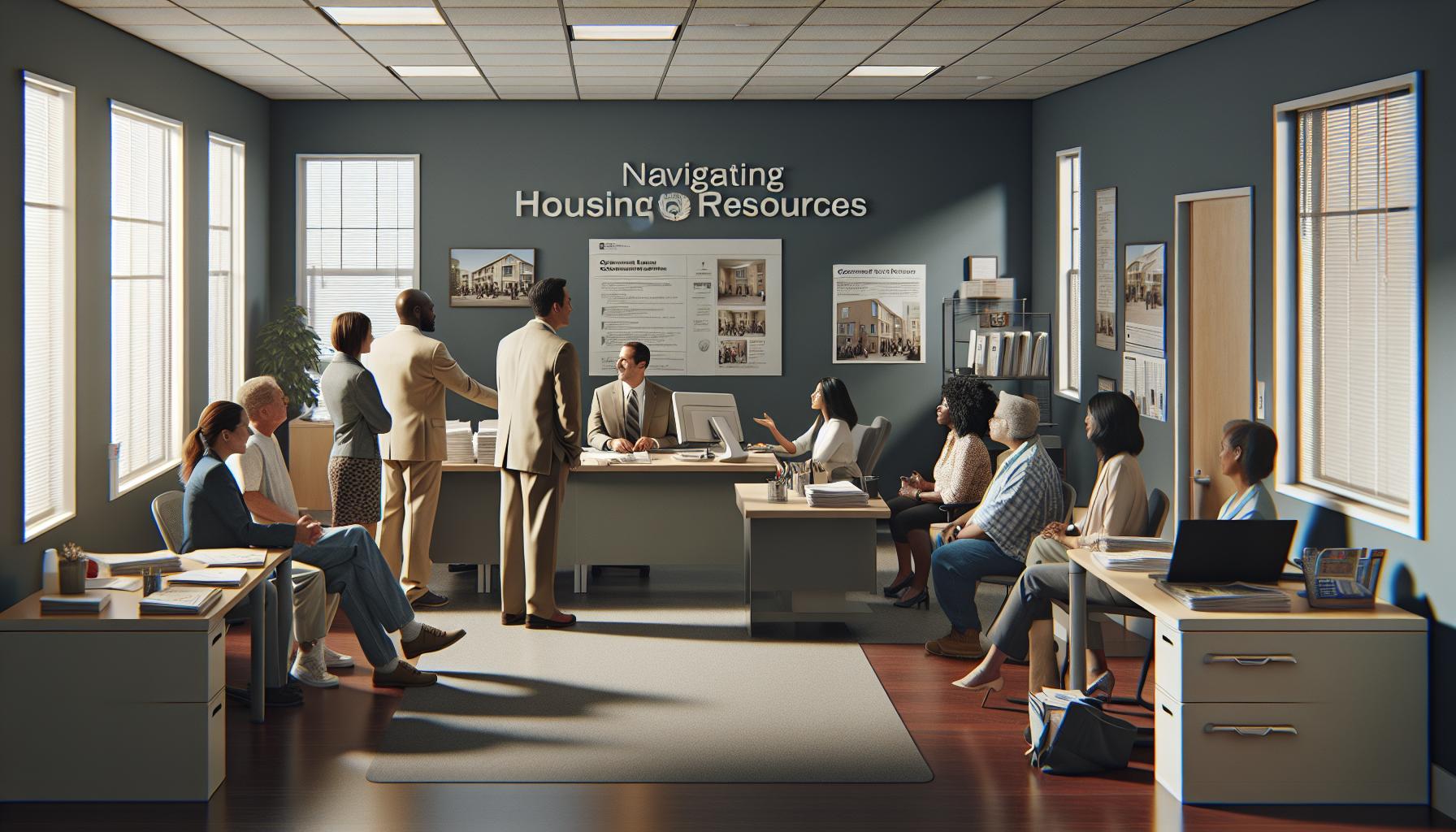
Navigating the landscape of government housing resources can feel overwhelming, especially for single mothers facing financial constraints. The good news is that there are multiple programs designed specifically to assist those in need. Federal initiatives such as the Section 8 Housing Choice Voucher Program can be a lifeline, allowing families to find affordable housing by covering a portion of their rent-typically ensuring that no more than 30% of income goes toward housing costs. Knowing how to access these resources can be a game-changer for creating a stable home environment.
When exploring government assistance, it is vital to start with your local Public Housing Authority (PHA), which administers these federal programs at the community level. Each PHA can provide detailed information about available resources, eligibility criteria, and the application process. Additionally, some local programs may have their unique requirements or benefits, such as reduced waiting times or special provisions for single parents. Before applying, gather necessary documentation such as proof of income, identification, and any relevant family information, as these will be crucial for your application.
Here are some helpful steps to take when :
- Research local programs: Utilize websites like HUD to explore various federal and regional housing initiatives that may cater specifically to single mothers.
- Understand your rights: Familiarize yourself with tenant rights and protections available through public housing programs.
- Apply for multiple programs: Don’t limit your application to one program; applying to various assistance programs increases your chances of securing support.
- Seek guidance: Organizations such as local nonprofits or community groups can provide valuable support during the application process, often helping you prepare or review your documents.
While the path to securing housing assistance is sometimes complicated, perseverance and proper preparation can lead to a successful outcome. Approach each step methodically and don’t hesitate to ask for help when needed; it is within these resources where many find not just housing support, but also a foundation for building a more secure future.
Local and State Programs for Single Mothers

Navigating the maze of local and state housing assistance programs can be crucial for single mothers seeking stable living conditions. Many states offer tailored programs that provide financial help for rent, utility bills, and even homeownership opportunities, which are specifically designed to support single-parent households. Familiarizing yourself with these resources can provide not just immediate relief but also long-term stability and peace of mind for you and your children.
In many regions, local Public Housing Authorities (PHAs) play a pivotal role in connecting families to these resources. They typically administer federal programs like Section 8, known for its Housing Choice Vouchers that enable families to afford housing costs by capping rent to 30% of their income. Nearby housing options, including affordable apartment complexes or subsidized housing, are often listed on the PHA websites, along with details about income limits and application processes. It’s advisable to visit the website or contact your local PHA to understand the specific offerings in your area and gather any necessary documentation, such as proof of income or identification.
- State-Specific Programs: Many states have their unique housing assistance programs. For example, some may offer rental assistance programs aimed explicitly at single mothers, reducing waiting times and providing targeted support.
- Emergency Housing Assistance: If facing immediate danger of eviction or homelessness, many local governments have emergency funds or rapid rehousing programs that can provide short-term support while you transition to long-term solutions.
- Workforce Development Programs: Some housing programs are linked with job training and education initiatives, allowing single mothers to improve their financial situations while securing housing, such as the Combined Housing and Employment Program.
In addition to PHAs, nonprofit organizations often collaborate with state and local governments to offer comprehensive housing support. Groups like the Salvation Army or Habitat for Humanity have programs specifically designed to assist single mothers. These organizations can provide emergency funding, transitional housing, or affordable homeownership opportunities, guiding single mothers through the process of securing a stable place to live. By reaching out to local resources and community organizations, single mothers can uncover numerous paths to housing stability tailored to their unique circumstances.
How to Apply for Housing Assistance

Applying for housing assistance can seem overwhelming, but breaking the process down into manageable steps can make a significant difference. Start by identifying the specific programs available in your area that cater to single mothers. Federal programs like Section 8, which provides Housing Choice Vouchers, help subsidize rent, ensuring that families pay only a portion of their income towards housing costs. Contact your local Public Housing Authority (PHA) to gather essential information about available programs, eligibility requirements, and the application processes you need to follow.
To apply for housing assistance, gather crucial documents that will support your application. These typically include proof of income, identification (such as a driver’s license or Social Security card), and information about your current living situation. It’s beneficial to create a checklist of documents required by the specific program you’re applying for. This organized approach will help streamline your submission, reduce errors, and prevent delays.
Once you have your documentation ready, complete the application form for your chosen program. Many PHAs and nonprofits offer online applications, which can simplify the process. If you prefer, or if you find online forms daunting, don’t hesitate to reach out to a local assistance organization for help. These groups can guide you through the process and ensure that you understand each section of the application. After submitting, be prepared for follow-up inquiries or interviews where you may need to provide additional information or clarify your application.
Finally, after applying, stay proactive and engaged with the process. Check in regularly with the PHA or the organization through which you applied to ensure your application is being processed. Many programs have waiting lists, and knowing where you stand can help you plan your next steps. Consider facing potential challenges with housing as a journey rather than a barrier; support is available, and countless individuals have navigated this path successfully. Your determination and persistence will play a crucial role in securing the housing assistance you need.
Housing Vouchers and Subsidy Programs Explained
Many single mothers face financial challenges that make it incredibly tough to secure safe and affordable housing. Understanding how housing vouchers and subsidy programs work can be a game-changer in this struggle, providing a much-needed path toward stability. Programs like Section 8, formally known as the Housing Choice Voucher Program, play a pivotal role in helping low-income families afford housing. This federal program allows participants to pay only about 30% of their income towards rent, with the remaining amount covered by the voucher, making it an invaluable resource for single mothers seeking housing assistance.
How Housing Vouchers Work
Housing vouchers are typically issued by local public housing authorities (PHAs) and come with specific eligibility requirements, including income limits which vary based on the area’s median earnings. For instance, if a single mother’s income falls at or below 50% of the Area Median Income (AMI), she may qualify for assistance. The process begins with an application to the local PHA where crucial documents such as proof of income and identification are required. After approval, the mother can find a rental unit that meets the program’s guidelines and have her rent subsidized.
Types of Subsidy Programs
In addition to Section 8, there are various other subsidy programs that single mothers may explore, including:
- Public Housing: Government-owned properties that offer affordable rental units with income-based rent.
- USDA Rural Housing: Available to low-income families living in rural areas, providing subsidized housing options.
- Tax Credit Programs: These often provide direct rental assistance or tax incentives for affordable housing developers.
Each program has its own eligibility criteria and application process, making it important for mothers to research and determine which option aligns best with their circumstances.
Understanding these programs isn’t just about filling out paperwork; it’s about unlocking opportunities for a better quality of life. By securing housing through these subsidies, single mothers can focus on education, career development, and ultimately, achieving long-term stability for themselves and their children.
Non-Profit Organizations Offering Housing Help
Many non-profit organizations across the country are dedicated to helping single mothers secure safe and affordable housing. These organizations not only provide direct financial assistance but also offer valuable resources, support services, and advocacy for single mothers navigating housing challenges. By partnering with local communities and leveraging resources, these non-profits strive to create lasting solutions for families in need.
One well-known organization is Habitat for Humanity, which helps families build their own homes through affordable financing and sweat equity-where future homeowners contribute to the construction of their houses. They actively work with single mothers to ensure they can realize the dream of homeownership while providing ongoing support through educational programs about home maintenance and financial management.
Another vital resource is the YWCA, which focuses on empowering women and eliminating racism. They often provide emergency and transitional housing specifically for single mothers and their children. Their comprehensive programs not only assist with housing but also offer job training, childcare, and counseling services. This holistic approach helps mothers achieve long-term stability while ensuring their children’s needs are met.
Additionally, local housing coalitions often provide vital support tailored to the unique needs of single mothers in their area. By connecting families to various resources-including emergency funds, legal assistance for evictions, and housing navigation services-these coalitions play an essential role in preventing homelessness and fostering community.
Each organization will have specific eligibility requirements and application processes, so it’s crucial for single mothers to reach out directly to these non-profits or visit their websites for more detailed information. Understanding what resources are available can empower single mothers to take the next step toward securing more stable living conditions for themselves and their children.
Emergency Housing Support Options Available
Finding safe and stable housing can often feel like an overwhelming challenge for single mothers, especially in times of crisis. Fortunately, a range of emergency housing support options is available to help provide immediate relief and guide families toward long-term stability. Programs exist at local, state, and federal levels, tailored specifically to assist individuals and families facing housing insecurity.
One key resource is the Emergency Solutions Grant (ESG) program, which offers funds to organizations that provide emergency shelter and services. This program can help cover costs for rent, utilities, or temporary shelter, ensuring families have a safe place to stay. In addition, many cities have local homelessness prevention programs, which not only provide temporary housing but also help with legal assistance for evictions and connections to social services.
Many single mothers can access transitional housing programs designed to support families during the transition from homelessness to permanent housing. Organizations such as the YWCA often operate these programs, which provide not just shelter but also supportive services focused on job training, childcare, and financial literacy, empowering mothers to take control of their future.
Moreover, local United Way chapters frequently administer funds to assist families in crisis. They can connect mothers to resources like food banks, childcare services, and emergency financial assistance, acting as a bridge to longer-term solutions. To find help, single mothers can contact these organizations directly or visit websites like USAGov which detail available federal programs.
In addition to traditional government programs, non-profit organizations such as local housing coalitions play a significant role. They often provide emergency funds and resources that cater specifically to single mothers’ needs, including access to comprehensive housing counseling services. These coalitions can guide families through the complex housing aid application processes while offering emotional support and advocacy to ensure they find secure and affordable housing solutions.
Remember, applying for emergency housing support typically requires documentation to confirm your current situation, such as proof of income, identification, and any eviction notices. Seek assistance early, as many programs work quickly but may have limited funding or resources available.
Affordable Housing Options for Single Mothers
Finding safe and affordable housing is a critical step for single mothers striving for stability and security. Various programs exist aimed at providing financial assistance, making it easier for families to secure a home without being overwhelmed by costs. Understanding the key options available can empower you to pursue the housing situation that works best for your family.
Government programs such as Section 8 provide rental assistance, ensuring that single mothers can rent housing at a cost that is manageable based on their income. Under this program, families typically pay 30% of their income towards rent, with the government covering the remaining amount. This assistance is vital for preventing homelessness and promoting stability, as it reduces the financial burden many face. To be eligible, families generally need to meet specific income limits, which vary by location. Additionally, the Public Housing program offers government-owned apartments at reduced rental rates, focusing on low-income individuals and families.
Another avenue to explore is the USDA Rural Development program, which offers subsidized housing options specifically for families living in rural areas. This program is especially beneficial for single mothers looking for affordable living arrangements outside urban settings. Alternatively, Low-Income Housing Tax Credits (LIHTC) can help families access affordable rental homes. This program incentivizes private developers to build or rehabilitate affordable housing units, ultimately increasing availability for those in need.
To give you a practical starting point in your search, keep an eye out for local agencies and non-profits that collaborate with these programs. Organizations like Habitat for Humanity or local housing coalitions often assist single mothers in navigating these resources, providing crucial support in filling out applications and securing affordable housing. It’s also wise to check with your local United Way chapter to access additional resources like food assistance and social services, integral to a stable home life. Engaging with these resources helps ensure not only a secure roof over your head but also a foundation for a brighter future for you and your children.
Remember, the journey to finding affordable housing may have its challenges, but leveraging these options can pave the way toward a secure and stable home environment for you and your family.
Long-Term Housing Solutions for Stability
Finding stable, long-term housing is not just about securing a roof over your head; it’s about building a foundation for a brighter future for you and your children. Many single mothers face housing instability, and understanding the options available can make a significant difference. Programs specifically tailored for low-income families can offer pathways to not only housing security but also a sense of community and support that is critical for nurturing a stable environment.
One promising avenue for single mothers is the Family Self-Sufficiency Program, which works alongside housing assistance programs like Section 8. This initiative helps families enhance their skills, education, and job readiness, enabling them to increase their income and eventually graduate from housing assistance entirely. Participants set goals and receive support that can lead to greater economic independence. For those exploring affordable housing options, the Low-Income Housing Tax Credit (LIHTC) program can be beneficial, as it incentivizes developers to create apartments that are affordable for low-income tenants. If you meet the income eligibility criteria, these housing projects can provide quality, long-term rental options at reduced prices.
For single mothers considering homeownership, Habitat for Humanity is a transformative option. This nonprofit organization assists families in purchasing homes by offering interest-free loans and assistance through sweat equity, where families contribute by helping to build their residences. The warmth of community and support from volunteers can be profoundly empowering, fostering lasting relationships and ongoing resources even after the homes are built.
When exploring these options, it’s vital to establish a budget that reflects your current financial situation. Tools like budget calculators can help assess what you can afford, considering not just rent but utilities and other living expenses. Additionally, researching local social services that provide legal aid, financial counseling, and resources for mental health can reinforce your strategy for long-term stability.
Finding the right path to sustainable housing may take time and perseverance, but it is indeed possible. By leveraging available resources and programs, single mothers can navigate the complexities of housing assistance and work towards a secured future, fostering a nurturing and supportive environment for their families.
Success Stories: Single Mothers Finding Housing
Finding success in securing stable housing can be a challenging journey, but many single mothers have navigated this path with determination and the right resources. For example, a single mother named Maria in Los Angeles was struggling to provide for her two children while juggling multiple part-time jobs. After learning about the Family Self-Sufficiency Program, which pairs with housing assistance initiatives like Section 8, she decided to apply. This program not only provided her with housing support but also connected her to educational resources. Through targeted workshops, she gained valuable skills that helped her land a full-time job, ultimately lifting her family out of housing instability.
Another inspiring story comes from a woman named Jasmine, who utilized Habitat for Humanity’s unique model to achieve homeownership. Struggling to afford rent, she enrolled in the program, dedicating her time to building her own home alongside other volunteers. The process not only provided her with an interest-free mortgage, but it also fostered a deep sense of community. Today, Jasmine lives in a safe neighborhood, and her children thrive in a stable environment, all thanks to her commitment and the support from Habitat for Humanity.
These stories exemplify the importance of persistence and seeking assistance through available programs. Single mothers can find hope and solutions through diverse channels, adapting to their unique situations. Many organizations offer comprehensive resources tailored to support single-parent households, such as emergency housing initiatives and educational opportunities. By engaging with these programs, single mothers enhance their prospects for housing stability and future success.
Consider forming a plan of action by identifying resources in your area. Check local listings for housing programs, research eligibility requirements, and gather necessary documentation. Remember, the journey to secure housing may be challenging, but with determination and the right support, it’s a journey that can lead to new beginnings and wholesome living conditions for families.
Tips for Overcoming Housing Challenges
Overcoming housing challenges can feel overwhelming, especially for single mothers facing unique obstacles. Accessing stable housing requires a mix of understanding available resources, being proactive, and forming a solid support system. One of the most essential steps is to familiarize yourself with local and federal housing programs, such as the Section 8 Housing Choice Voucher Program, which assists low-income families by subsidizing their rent. Understanding program details, eligibility requirements, and the application process can empower you to take the first step toward stable housing.
Build a Strong Network
Surrounding yourself with a support network can significantly ease your journey. Connecting with local nonprofits and community organizations that focus on housing assistance can offer more personalized guidance. Many organizations host workshops that provide essential information on navigating housing resources. Engaging with other single mothers in similar situations can also foster a sense of community, reducing feelings of isolation and anxiety.
Use Available Tools and Resources
Utilizing available resources can simplify your search for housing. Many online platforms provide calculators to estimate your housing budget based on your income and expenses. Additionally, know the income thresholds for various programs, as these often change. For example, to qualify for Section 8, your income typically must be below 50% of the median income in your area. Keeping track of these numbers can help you identify which programs you may qualify for quickly.
Document Preparation and Application Strategy
Preparing the necessary documentation ahead of time can streamline the application process. Common requirements might include pay stubs, tax returns, or proof of employment. Having these documents ready can help you apply promptly and improve your chances of acceptance. Once you identify the programs applicable to you, create a checklist of each program’s requirements and deadlines to stay organized.
In conclusion, while the challenges of finding affordable housing can be daunting, staying informed, building your network, and preparing your documentation can open doors to new opportunities. Each step taken is a stride towards securing a stable home for you and your children, fostering a nurturing environment as you work toward a brighter future.
Q&A
Q: What are some government housing assistance programs specifically for single mothers?
A: Single mothers can access various government housing programs, including the Section 8 Housing Choice Voucher program, which helps pay rent, and the HUD’s Public Housing program. Additionally, the USDA offers programs suited for low-income families in rural areas. Explore local resources for specific eligibility requirements and application processes.
Q: How can single mothers qualify for housing assistance?
A: Qualification for housing assistance often depends on income level, family size, and residency status. Most programs require applicants to meet certain income thresholds, generally under the area median income. Check local housing authority websites for details on specific eligibility criteria for programs in your area.
Q: What types of financial support are available for single mothers facing housing instability?
A: Single mothers may qualify for grants, low-interest loans, or rental assistance programs like the Emergency Solutions Grant (ESG). These programs can help cover rent, utility bills, and other housing-related costs during times of crisis, providing temporary relief as you seek longer-term housing solutions.
Q: Where can I find local housing resources for single mothers?
A: Local housing resources can often be found through community action agencies, local public housing authorities, or regional non-profits. Websites like 211.org can connect you to specific housing services and assistance programs available in your area, tailored to single mothers and families.
Q: Are there nonprofit organizations that assist single mothers with housing?
A: Yes, many nonprofit organizations offer housing assistance for single mothers. Groups like Habitat for Humanity and Family Supportive Housing provide both financial aid and guidance in securing housing. These organizations can assist with home repairs, transitional housing, and even building homes for low-income families.
Q: How can single mothers apply for housing vouchers?
A: To apply for housing vouchers, single mothers should contact their local Public Housing Authority (PHA) and complete an application. This process typically includes submitting documents like proof of income, family composition, and residency status. Be aware of waiting lists, as some areas have high demand for vouchers.
Q: What steps should single mothers take when facing eviction?
A: If facing eviction, single mothers should first understand their legal rights and seek immediate assistance from local housing agencies or legal aid organizations. Staying in communication with landlords, exploring rental assistance programs, and accessing local shelters can provide solutions during this challenging time.
Q: What is the difference between housing grants and loans for single mothers?
A: Housing grants are funds that do not need to be repaid and are often provided for specific needs like home repairs or emergency assistance, while housing loans require repayment over time. Grants are typically offered through nonprofit organizations or government programs, focusing on supporting low-income families, including single mothers.
Final Thoughts
Navigating housing instability as a single mother can feel overwhelming, but help is available! From transitional housing programs like those offered by the Center for Transforming Lives and ACH Services to state resources aimed at low-income families, numerous options can provide you with support and stability. Don’t hesitate-explore these programs today to find the assistance you need to secure a safe and nurturing home for you and your children.
For more insights, check out our articles on understanding housing assistance programs and tips for securing rental support. If you’re ready to take the next steps, consider signing up for our newsletter for valuable updates and resources tailored to single mothers facing homelessness. Remember, you are not alone, and there are pathways to brighter days ahead. Let’s work together to create a stable future!