Did you know that for every dollar spent on weatherization, families can save an average of $374 in energy costs? As utility expenses continue to rise, understanding the Weatherization Program becomes crucial for many households seeking financial relief. This program not only enhances energy efficiency in homes but also reduces the burden of heating and cooling costs, enabling families to allocate their budgets more effectively. By covering essential improvements like insulation, air sealing, and more, weatherization offers a pathway to lower utility bills and greater comfort. Join us as we explore the range of benefits provided by the Weatherization Program and how it can play a vital role in alleviating housing costs for you and your family.
What is the Weatherization Program?
The Weatherization Assistance Program (WAP) serves as a vital resource designed to improve energy efficiency in homes, particularly for low-income families who struggle with high utility bills. This federal initiative provides funding through state-level grants, enabling local agencies to implement energy-saving measures that can dramatically reduce energy waste and improve household comfort. By offering solutions such as insulation installation, heating and cooling system repairs, and energy-efficient light replacements, the program not only enhances living conditions but also contributes to long-term savings for eligible households.
One of the key advantages of the Weatherization Program is its comprehensive approach to tackling energy inefficiency. Families can experience reduced heating and cooling costs by addressing the most significant issues in their homes. These improvements not only lower energy bills but also enhance the overall livability of a home, making it warmer in the winter and cooler in the summer. Furthermore, the initiative aims to help each family thrive by integrating energy efficiency with economic relief, ensuring that fewer families must choose between paying for utility bills and affording basic necessities.
In addition to its practical benefits, WAP addresses critical social issues such as housing insecurity and energy poverty. With the rising costs of living and the increasing burden of utility expenses, many families find themselves trapped in a cycle of financial distress. The Weatherization Program provides a pathway out of this cycle by delivering essential services that make homes more affordable and efficient. For those who meet the income eligibility criteria, participating in this program can lead to significant improvements in quality of life and financial stability.
For many, understanding the specifics of what the Weatherization Program covers is crucial. This includes not only the types of services available but also how these services can be tailored to meet the unique needs of each household. By focusing on a personalized assessment of a home’s energy efficiency, the program can address the most pressing issues, leading to a more effective and impactful energy savings strategy over the long term.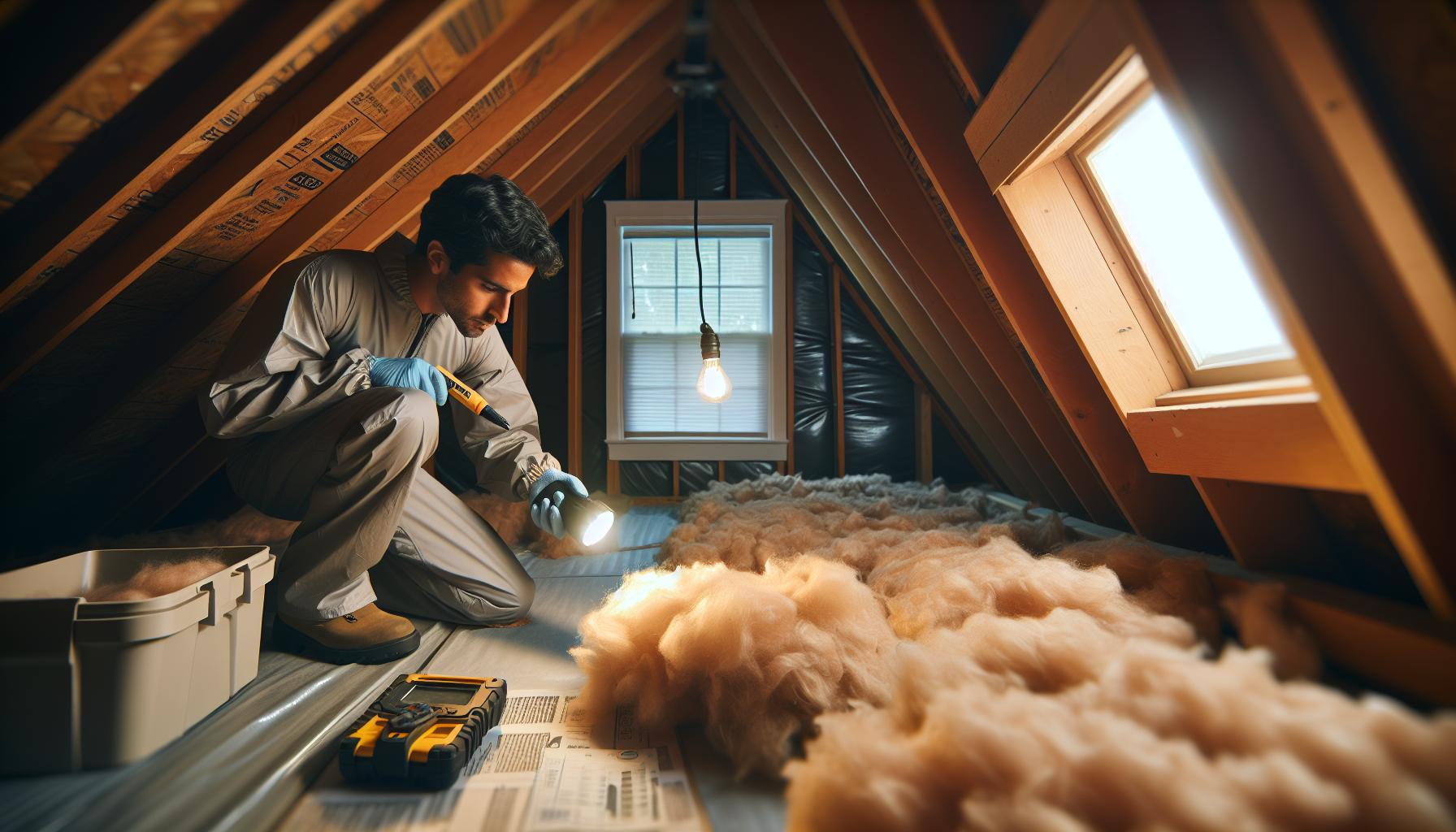
Key Benefits of Weatherization for Homeowners
The impact of the Weatherization Assistance Program (WAP) on homeowners is profound, particularly for those grappling with escalating utility costs. By improving a home’s energy efficiency, the program enables families to save significantly on their monthly energy bills – averaging around $374 annually. These savings can make a substantial difference, allowing families to allocate resources towards other vital needs such as education, healthcare, or unexpected expenses. Beyond immediate financial relief, weatherization contributes to long-term sustainability and comfort in the home, reducing the strain of heating and cooling during extreme weather conditions.
Enhanced Home Comfort
Homeowners often experience a marked improvement in comfort levels after participating in the program. By addressing key areas such as insulation, air sealing, and efficient heating and cooling systems, families find their homes become warmer in the winter and cooler in the summer. This not only boosts comfort but also promotes a healthier living environment by minimizing drafts and preventing moisture buildup, which can lead to mold issues.
Value Addition to Homes
Weatherization can lead to increased property values. Homes equipped with energy-efficient systems and features not only command higher prices in the real estate market but also become more attractive to potential buyers. When energy costs are lower, this can be a significant selling point, especially in competitive housing markets.
Environmental Impact
Participating in the Weatherization Program also has environmental benefits. By improving energy efficiency, homeowners contribute to reducing overall energy consumption and greenhouse gas emissions. This is a simple yet impactful way for individuals to participate in the larger movement towards sustainability and climate change mitigation.
In summary, the key benefits of weatherization extend beyond just immediate financial savings. Homeowners gain enhanced comfort, increased property value, and the satisfaction of contributing to environmental sustainability. Engaging with this program is a step towards better living conditions, financial empowerment, and positive impacts on the community at large.
Eligibility Criteria: Who Can Apply?
To qualify for the Weatherization Assistance Program (WAP), applicants typically need to meet specific income guidelines and residency requirements. Understanding these criteria can help you determine if you are eligible to receive assistance that makes your home more energy-efficient and comfortable.
The primary factor for eligibility is income. Generally, income limits are set at or below 200% of the federal poverty level, though this can vary slightly based on state or locality. For instance, a household of four people might need to earn less than approximately $60,000 annually to be eligible. Additionally, priority is often given to households with elderly individuals, individuals with disabilities, and families with children. This helps ensure that those most in need receive timely assistance.
In addition to income, applicants must reside in a single-family home, multi-family building, or mobile home that they own or are renting. This includes participants in different housing assistance programs, such as Section 8 or low-income housing tax credit programs. Furthermore, applicants may also need to provide proof of residence and other essential documentation, such as tax returns or pay stubs.
Once you’ve confirmed your eligibility based on these criteria, the application process can begin. It’s advisable to contact your local weatherization service provider to get personalized guidance and to check whether there are state-specific programs or requirements that may affect your eligibility. This proactive approach will ensure you’re effectively navigating the process to make your home more energy-efficient. Remember, seeking assistance is a step towards reducing not just your energy costs, but also improving your overall quality of life.
Understanding Housing Costs Covered by Weatherization
Understanding the financial scope of the Weatherization Assistance Program (WAP) can open doors to significant cost savings and more comfortable living conditions. This initiative not only aims to enhance energy efficiency but also to alleviate financial burdens that arise from high utility bills. Households that qualify for this program can receive various essential services to make their homes healthier and more affordable to live in.
The program typically covers critical improvements like:
- Insulation: Upgrading or adding insulation to attics, walls, and floors helps retain heat in winter and cool air in summer, which can drastically lower heating and cooling costs.
- Air Leakage Reduction: Sealing air leaks around doors, windows, and other gaps prevents energy loss, making homes more energy-efficient.
- Heating System Repairs: Ensuring that heating systems are running efficiently can reduce energy consumption and improve safety.
- Water Heater Insulation: Insulating hot water tanks and pipes retains heat, reducing the energy required to heat water.
- Health and Safety Measures: Upgrading vents and ensuring proper ventilation protects residents from health hazards associated with dampness and pollutants.
Through these measures, WAP not only reduces energy costs but also enhances the overall safety and comfort of homes, particularly for low-income families who may struggle with these issues. In many cases, this assistance can also lead to a reduction in maintenance costs and increased home value, making it a favorable option for households navigating financial challenges.
Many eligible participants have found that receiving weatherization services has created a ripple effect, leading to improvements in their quality of life. By lowering utility bills, families are better positioned to allocate resources to other essential areas, such as healthcare, education, and basic necessities. Understanding the specific housing costs covered by these programs can empower potential applicants to take meaningful steps toward improving their living conditions while easing financial strain.
Step-by-Step Guide to Applying for Weatherization
Navigating the application process for the Weatherization Assistance Program (WAP) can feel overwhelming, especially for those already facing financial challenges. However, understanding the necessary steps can empower you to take charge of your home’s energy efficiency and comfort. Here’s a clear and actionable guide to help you through the application process.
To begin, you should gather the necessary documentation that proves your eligibility. This typically includes proof of income, such as pay stubs or tax returns, and verification of your household size. You may also need to provide information regarding your utility bills and prior home improvements. Having these documents ready will streamline your application process.
Next, locate your local weatherization agency. You can find a directory of agencies on the U.S. Department of Energy’s website or by contacting your state’s energy office. Each state administers its own program, and the specific services may vary. Many local agencies also provide a preliminary assessment to determine your eligibility and discuss the specific weatherization measures that may benefit your home.
Once you’ve identified your local agency, reach out to schedule an appointment. During this meeting, a representative will assess your home to identify the most effective weatherization measures for your situation. This may involve a home energy audit that examines insulation levels, air leaks, and heating systems. After the assessment, the agency will present a weatherization plan tailored to your needs.
After your application is approved and the improvement plan is established, construction professionals will carry out the needed weatherization services. This work is often provided at no cost to you or is covered by the WAP funding. Finally, once the services are completed, there will likely be a follow-up to ensure that the improvements meet program standards and address your comfort needs effectively.
In summary, the key steps include gathering documentation, finding your local weatherization agency, scheduling an assessment, and allowing the necessary work to be performed on your home. By following these steps, you can maximize your chances of not only qualifying for but also benefiting greatly from the Weatherization Assistance Program, improving your home environment without the burden of additional costs.
Common Myths About Weatherization Programs
Many people may believe that weatherization programs are only for those who are living in extreme poverty or that assistance is limited to specific energy-efficient upgrades. However, these misconceptions can prevent eligible individuals from accessing valuable resources that could save them money and improve their living conditions.
One common myth is that only low-income households qualify for weatherization assistance. While income eligibility is a factor, many states have programs that can assist a broader range of income levels, especially those who are struggling to pay their energy bills. Programs often target families that meet certain income thresholds rather than solely focusing on poverty-level households. For instance, in Florida, the Weatherization Assistance Program is designed to aid low-income individuals, but the definitions of low income can vary, so it’s important to check local guidelines for specific criteria.
Another misunderstanding is that weatherization services are just about insulation and window replacement. In reality, weatherization programs cover a wide range of home improvements aimed at enhancing energy efficiency. These can include sealing air leaks, upgrading heating and cooling systems, and providing education on energy conservation. Such comprehensive measures can lead to significant energy savings-on average, families reduce their energy costs by around $374 annually, which highlights the programs’ broader benefits beyond just initial upgrades.
It’s also a prevalent myth that the process of applying for weatherization assistance is complex and burdensome. While initial steps like documenting income and finding local agencies may seem daunting, these programs are designed to be accessible. Many agencies offer assistance in completing the application process, making it easier for families to access the help they need. Therefore, it’s crucial for potential applicants to reach out, seek guidance, and not be deterred by preconceived notions about complexities that don’t reflect the support available.
Understanding the realities of weatherization programs empowers homeowners to take action toward making their living environments more efficient and comfortable. With the right information, anyone eligible can benefit from these essential resources designed to alleviate the burden of housing costs and energy expenses.
Frequently Asked Questions on Weatherization
The Weatherization Assistance Program (WAP) has become a beacon of hope for many families struggling with high energy bills and inefficient homes. This program helps improve energy efficiency, leading to reduced utility costs and a more comfortable living environment. But many questions arise regarding what the program specifically covers, who qualifies, and how it operates.
What Does Weatherization Cover?
The Weatherization Program generally focuses on comprehensive home energy improvements. Eligible households can receive a variety of services, including but not limited to:
- Sealing air leaks in walls, attics, and basements to prevent energy loss.
- Upgrading insulation in critical areas, including attics and crawlspaces.
- Replacing or repairing inefficient heating and cooling systems.
- Installing energy-efficient lighting and appliances.
- Conducting energy audits to identify additional efficiency improvements.
These measures collectively aim to reduce energy consumption, which can lead to average savings of about $374 per year on energy bills for participating families.
Who Can Apply for Assistance?
Eligibility for the Weatherization Assistance Program is generally based on income levels, with many states targeting households at or below 200% of the federal poverty rate. However, it’s important to recognize that eligibility can also consider factors like high energy burden or specific circumstances such as disability or being an elderly homeowner. Potential applicants are encouraged to check with local agencies to confirm their eligibility and gather necessary documentation, such as proof of income and household size.
How to Navigate the Application Process?
Applying for weatherization assistance may seem daunting, but many resources are available to ease the process. Here are some steps to guide potential applicants:
- Visit your local weatherization agency’s website or call them directly.
- Gather essential documents, including proof of income, energy bills, and documentation of household size.
- Complete the application form, often available online or in person at local offices.
- Schedule an appointment for a home energy audit, if required.
After the application is submitted, households may receive services based on the assessed need and available funding.
This support is critical, particularly for vulnerable communities, as it addresses housing costs while fostering energy independence and sustainability. By actively participating in the program, homeowners can look forward to improved comfort, savings, and a sense of empowerment in managing their home energy use.
State-Specific Weatherization Resources
Navigating the specifics of the Weatherization Assistance Program can be daunting, especially as resources and eligibility vary significantly by state. Understanding your local options is crucial for maximizing the benefits available to you and your household. Many states provide targeted assistance, focusing on high-energy burden areas and specific populations, including the elderly and disabled. It’s essential to familiarize yourself with local resources, where the needs of your community will be most effectively addressed.
State-specific weatherization programs often include services tailored to regional climates and housing types. For example, colder states may prioritize insulation and heating system upgrades, while warmer climates might emphasize cooling efficiency upgrades. Local agencies frequently work alongside community organizations to provide additional support services, like energy audits and prioritized scheduling for vulnerable populations. It’s advisable to reach out to your local weatherization agency, where they can provide details on the specific services offered and any unique eligibility criteria that may apply.
Moreover, checking eligibility is a straightforward process. Most states set income thresholds based on federal guidelines, often capping at or below 200% of the federal poverty level. However, some states allow for additional factors, such as high energy costs and special needs circumstances, which can qualify households that may not fit neatly into the standard income brackets. To assist with this process, many agencies have online calculators or eligibility checklists available on their websites to provide clear guidance on the necessary steps and documentation you’ll need to provide.
To find state-specific resources, start with the official Department of Energy website or your local government’s energy office for comprehensive lists of weatherization providers in your area. Additionally, local community action agencies often offer valuable guidance and can assist with the application process, ensuring that you are aware of all available benefits. Remember, reaching out for help is a crucial first step in improving your home’s energy efficiency and reducing monthly bills, ultimately leading to a more comfortable living environment.
Financial Assistance Options Beyond Weatherization
For many households, especially those struggling with high energy costs, financial relief can go beyond the immediate benefits of the Weatherization Assistance Program. In addition to the energy efficiency improvements provided by weatherization, there are several other financial assistance options available that can help reduce overall housing costs and enhance your living situation.
One notable option is the Low-Income Home Energy Assistance Program (LIHEAP), which provides financial assistance for heating and cooling costs. Families can apply for LIHEAP to cover a portion of energy bills, helping to alleviate the financial burden of utility costs. It’s worth noting that eligibility usually depends on household income, typically capping at or below 150% of the federal poverty level.
Another resource is Section 8 housing vouchers, which help low-income families afford safe and decent housing in the private market. Under this program, housing assistance can cover a substantial portion of rent, allowing families to allocate their income toward other critical expenses. The application process for Section 8 can vary by locality, so it’s essential to check with your local Public Housing Authority to understand specific requirements and availability.
If you are considering home renovations or energy efficiency upgrades beyond what weatherization covers, tax credit programs can also offer significant savings. For instance, many states have adopted tax credits for those who invest in renewable energy technologies, such as solar panels. Programs like the Federal Solar Tax Credit allow homeowners to deduct a percentage of the installation costs from their federal taxes, thus improving long-term financial sustainability.
Exploring Additional Financial Resources
To proactively seek additional assistance, consider these steps:
- Contact Local Agencies: Reach out to your local community action agencies as they often have information about financial assistance programs available in your area.
- Utilize Online Resources: Websites like Benefits.gov can provide information on a variety of assistance programs and eligibility requirements.
- Keep Documentation Ready: When applying for assistance, ensure you have your household income documentation, social security numbers, and information about the current housing situation.
- Engage with Nonprofits: Many nonprofit organizations provide resource guides and may offer grants to assist with energy costs or housing expenses.
Exploring these additional resources can empower you not only to improve your home’s energy efficiency but also to navigate the challenging landscape of housing costs. By understanding and utilizing available financial assistance options, families can achieve a more secure and comfortable living environment without the constant stress of overwhelming expenses.
Success Stories: Impact of Weatherization on Homes
Many families across the country have experienced transformative changes in their homes thanks to weatherization programs. These initiatives not only improve energy efficiency but also offer significant financial relief for low-income households struggling with high utility costs. For instance, a single mother living in a modest, drafty home in Ohio received weatherization services that included insulation upgrades and air leak sealing. After these improvements, she reported a noticeable drop in her monthly energy bills, allowing her to reallocate funds toward her children’s education and health care, significantly enhancing her family’s quality of life.
The impact of weatherization does not end with reduced utility costs; it extends to overall comfort and health as well. Take the case of a retired couple in New Mexico whose home was weatherized through a local program. Post-weatherization, they enjoyed a more stable indoor temperature year-round, drastically decreasing their reliance on heating and cooling systems. This improvement not only contributed to their comfort but also positively affected their health, as they were less exposed to mold and other allergens that thrived in poorly insulated homes. Such outcomes highlight the holistic benefits of weatherization programs, emphasizing their role in fostering healthier living environments.
As word spreads about these success stories, more families are encouraged to seek out weatherization assistance. Communities have seen a ripple effect, where one family’s upgrade encourages neighbors to apply for their own weatherization services. This not only bolsters community spirit but also enhances property values as entire neighborhoods become more energy-efficient. By sharing their experiences and the positive changes in their lives, these families play a critical role in advocating for weatherization programs, driving awareness, and encouraging participation in initiatives aimed at making homes safer, more efficient, and ultimately more supportive of the families that reside in them.
How to Maximize Savings with Weatherization Programs
Maximizing savings through weatherization programs can dramatically improve your household’s financial health while enhancing comfort and energy efficiency. When done correctly, these initiatives not only lower energy bills but also create a healthier living environment. Here are some practical steps to ensure you get the most out of the weatherization services available to you.
A crucial first step is to conduct a thorough energy audit. Many weatherization programs offer free or low-cost energy assessments that identify specific areas where your home is losing energy. This may include examining insulation levels, checking for air leaks around doors and windows, and assessing the efficiency of your heating and cooling systems. Understanding these weak points will help you prioritize improvements that deliver the most significant cost savings.
It’s also essential to stay informed about available incentives and financial assistance options. Depending on your income level and the specifics of your home, you may qualify for additional funding or subsidies that can cover the costs of repairs or improvements not included in standard weatherization services. Programs like the Weatherization Assistance Program (WAP) and various state-specific initiatives often provide targeted support for low-income households. Be sure to inquire about these options when applying for assistance.
Participating in community workshops or informational sessions can further enhance your understanding of how to maximize savings. These gatherings often provide valuable insights from professionals and fellow homeowners who’ve navigated the weatherization process. They might share tips on maintaining energy efficiency after the upgrades or best practices for utilizing the benefits of energy-efficient appliances.
Lastly, consider regularly monitoring and assessing your energy use post-weatherization. Utilize tools like smart meters or energy tracking apps to measure the changes in your energy consumption. This will not only provide insights into the effectiveness of the improvements made but will also encourage ongoing energy-saving habits. For instance, adjusting thermostats, using energy-efficient lighting, and sealing gaps around windows and doors can further enhance the benefits gained through weatherization, ensuring you maximize your savings over time.
By taking these steps, you put yourself in a strong position to not just reduce immediate costs but also promote long-term sustainability and comfort in your home.
Q&A
Q: What specific services are included in the Weatherization Program?
A: The Weatherization Program includes services such as insulation installation, air sealing, and energy-efficient upgrades like furnace repairs or replacements. These enhancements help reduce energy costs and improve the overall comfort of homes, targeting low-income households.
Q: How can the Weatherization Program impact my monthly housing costs?
A: Participation in the Weatherization Program can lead to significant savings on energy bills, often averaging around $374 annually. This reduction directly lowers overall housing costs, allowing families to better allocate their budgets to other necessities.
Q: Are there additional financial benefits from the Weatherization Program besides lower energy bills?
A: Yes, beyond savings on energy bills, the Weatherization Program can provide non-energy benefits, with an estimated return of $2.78 for every dollar spent. This can include improved health and comfort levels for residents, especially for low-income families [3].
Q: What types of clients are eligible for the Weatherization Program?
A: The Weatherization Program primarily targets low-income households. Eligibility is typically based on household income, which must fall below a certain threshold set by state guidelines. Check local resources for specific income limits and eligibility criteria.
Q: How long does it take to see the benefits of the Weatherization Program?
A: Many participants notice reduced energy bills within the first few months after completion of the weatherization work. The full impact can vary depending on the extent of the upgrades and household energy usage.
Q: How can I apply for the Weatherization Program?
A: To apply for the Weatherization Program, contact your local community action agency or weatherization provider. They will guide you through the application process, which includes eligibility verification and scheduling an energy audit of your home.
Q: Does the Weatherization Program cover utility costs directly?
A: The Weatherization Program does not cover utility costs directly; rather, it focuses on making energy efficiency improvements that lower utility bills over time. This helps reduce the financial burden of energy expenses for low-income households.
Q: Can landlords apply for the Weatherization Program on behalf of tenants?
A: Yes, landlords can apply for the Weatherization Program, particularly if they manage properties occupied by low-income tenants. However, tenant eligibility and consent may be required, and landlords should collaborate closely with the tenant to facilitate the process.
Insights and Conclusions
If you’re ready to take control of your housing costs, the Weatherization Program offers essential resources to help you save energy and money. With benefits that cover things like insulation upgrades and energy-efficient appliances, this program is key for reducing monthly bills and improving your home’s comfort. Don’t wait-apply now and see if you qualify for these invaluable services!
For more insights, check out our guides on energy efficiency tips or exploring tax credit programs for eligible households. If you’re unsure about your eligibility, use our handy checklist to get started. Share your thoughts or questions in the comments below; we’re here to support you on your journey toward a more affordable and efficient home. Together, we can make a difference in tackling housing insecurity!