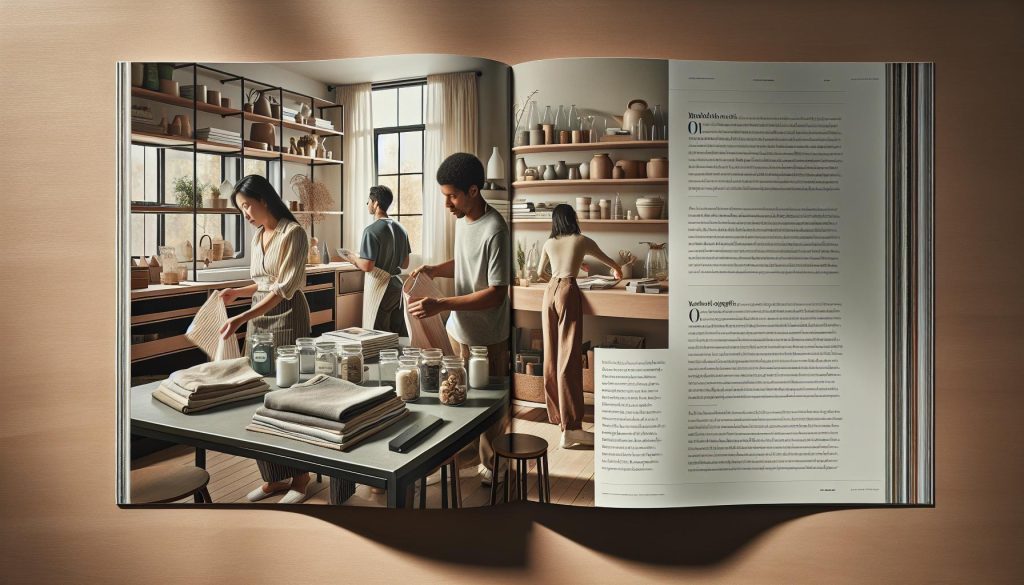
Did you know that a decluttered space can significantly reduce stress and anxiety? Many people struggle with overwhelming clutter, but achieving a tidy home is both possible and transformative. In this guide, we’ll explore practical organization tips that not only help maintain a clutter-free house but also enhance your overall wellbeing. You’ll discover simple, actionable strategies to tackle clutter effectively and create a serene environment. Whether you feel overwhelmed by items you no longer use or struggle to maintain organization, this article will empower you with the tools you need to reclaim your space. Join us as we delve into the art of living clutter-free, and unlock the secrets to a more organized and peaceful home.
Effective Strategies for Decluttering Your Home
Decluttering your home can feel overwhelming, but adopting effective strategies can transform the process into a manageable and rewarding experience. To start, consider employing the Four-Box Method: label four boxes with “Keep,” “Donate,” “Recycle,” and “Trash.” As you go through each room, place items into the appropriate box. This not only helps you make quick decisions but also ensures that you consider the fate of each item thoughtfully, minimizing regret later.
Another great strategy is to practice the One-In-One-Out Rule. Whenever you bring a new item into your home, commit to removing an existing one. This simple yet powerful habit helps maintain your decluttered state and curbs unnecessary accumulation. Remember to review your belongings periodically; a seasonal decluttering routine can keep clutter at bay. Set specific dates throughout the year to reassess what you own, which reinforces an “out with the old” mindset and creates more space over time.
Utilizing digital tools can also significantly aid your decluttering journey. Apps that help manage inventory can remind you of what you own, making it easier to keep track and avoid redundancy. Additionally, creating an inventory of your essential items and their locations can save time and energy, meaning less impulse buying and cluttering in the future.
Lastly, don’t underestimate the power of a supportive community. Inviting friends or family members to join your decluttering efforts can make the task more enjoyable and encourage accountability. Sharing your goals with others offers motivation, as well as fresh perspectives on what to keep or let go. Together, you can celebrate victories, big or small, which fosters a positive environment and reinforces your commitment to a clutter-free home.
Essential Tools for a Clutter-Free Life
Establishing a clutter-free environment often hinges on having the right tools at your disposal. These tools not only streamline the decluttering process but also create a sustainable way to maintain order in your home. One of the most effective tools in your arsenal can be a simple set of storage bins or boxes. Labeling them as “Keep,” “Donate,” “Recycle,” and “Trash” can provide a visual and physical way to categorize your belongings, making it easier to make quick decisions during the decluttering process.
Additionally, consider incorporating digital tools into your organization strategy. Inventory management apps allow you to document what you own, track locations, and set reminders for when to reassess items. This digital inventory can significantly reduce the chances of revisiting old habits of accumulation. For instance, understanding what you have in your home can help prevent impulsive purchases and further clutter-keeping your home organized and your mind clear.
Practical Organizing Supplies
The right organizing supplies can also make a noticeable difference. Here are some essential items to consider:
- Clear bins or boxes: These allow you to see what’s inside without having to open each container.
- Drawer organizers: Perfect for maintaining order in kitchen utensils, office supplies, or bathroom essentials.
- Hanging storage solutions: Using hooks, over-the-door racks, or wall-mounted shelves can clear floor space and keep frequently used items at arm’s reach.
- Label makers: Taking the time to label your bins and shelves will foster a habit of returning items to their designated spots.
Investing in these supplies not only enhances the appearance of your home but also cultivates a disciplined approach to daily chores.
Support and Community
Don’t overlook the power of community when tackling clutter. Engaging friends or family members can provide motivation and fresh perspectives on what to keep or discard. You might even consider organizing a decluttering party. This not only makes the work light-hearted but can also motivate you to follow through on your goals. Creating an environment where everyone is discussing and tackling their clutter can foster accountability and encouragement.
Finding the right tools and support is fundamental to creating and maintaining a peaceful, clutter-free home. By investing in good organization supplies and leveraging community support, you can build lasting habits that keep your space tidy and functional.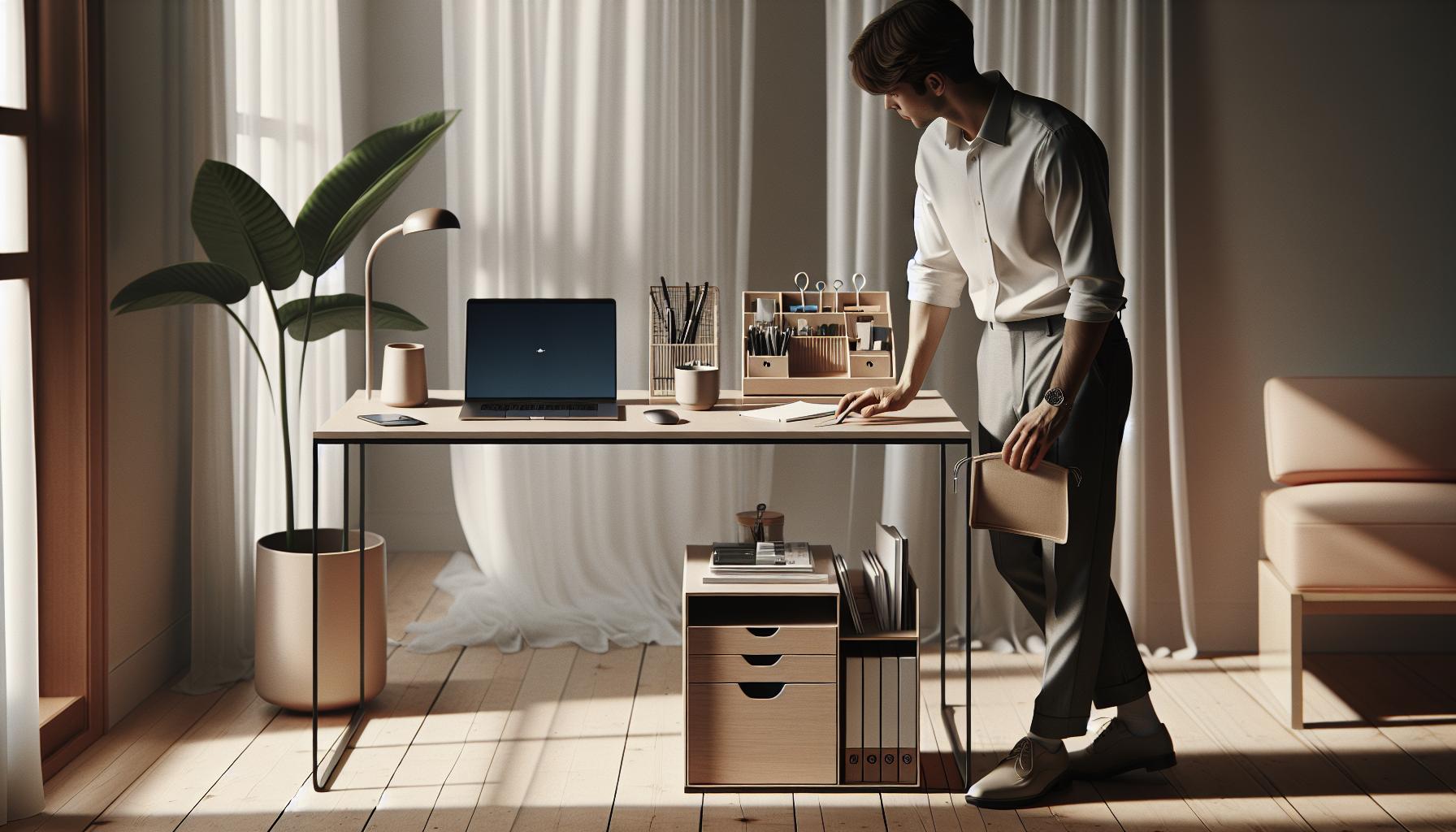
Room-by-Room Organization Techniques
To truly transform your home into a peaceful, clutter-free sanctuary, adopting a room-by-room approach can be incredibly effective. This strategy breaks down the overwhelming task of decluttering into manageable sections, allowing for focused effort and tangible progress. By dedicating time and energy to each area, you can make your home more functional while creating a supportive environment for all who live there.
Start with the most frequently used areas, such as the living room, where clutter tends to accumulate quickly. Consider using multifunctional furniture like ottomans with hidden storage or adding decorative baskets that blend with your decor to hold items like magazines, remotes, or toys. Establish a “clean as you go” habit by designating a few minutes each day to tidy up. This can prevent small messes from spiraling into larger issues. Create a specific spot for items that often scatter, like mail or keys, to ensure they have a dedicated place, reducing visual clutter.
Moving to the kitchen, one of the most challenging spaces to keep organized, utilize drawer dividers to separate utensils and create zones for cooking, baking, and prep. Clear off countertops by storing appliances that aren’t used daily in cabinets. Implement the “one in, one out” rule: for every new item brought into the kitchen, consider donating or recycling another. This practice not only keeps your space organized but also fosters a mindful purchasing attitude.
In bedrooms, prioritize decluttering your nightstand by using small trays or containers for essential items such as reading glasses and medication. Rotate seasonal clothing and shoes, storing out-of-season pieces in labeled bins or vacuum-sealed bags under the bed. This will help maintain an organized closet that allows easier access to what you need in the moment.
Lastly, in shared spaces like bathrooms, consider utilizing vertical space with shelves over the toilet or hooks for towels, which can make a small area feel larger while providing additional storage. Regularly check the expiration dates of toiletries and medications to avoid keeping products that are no longer usable.
By breaking down the decluttering process room-by-room, you not only simplify your efforts but also help to create a home that feels welcoming and organized. Celebrate each completed room as a victory on your journey toward a clutter-free life.
Smart Storage Solutions for Small Spaces
Struggling to find space in your home can feel overwhelming, but with the right storage solutions, you can transform even the tiniest areas into organized havens. Many people underestimate the power of vertical space, which can be your best ally in a cluttered home. Utilizing shelves, hooks, and racks not only maximizes storage but also keeps your belongings accessible and visible, reducing the likelihood of added clutter.
Embrace Multifunctional Furniture
Opt for furniture that serves more than one purpose. For instance, a coffee table with drawers or a storage ottoman can provide ample space to hide items out of sight while maintaining a stylish look. In bedrooms, consider bed frames with built-in storage drawers to keep seasonal clothing or extra bedding neatly tucked away. These pieces allow you to cleverly integrate storage into your space without sacrificing style or comfort.
Use Clear Bins and Labels
Invisible clutter can still be overwhelming. Use clear bins or boxes to store items in closets or under beds. This allows you to see at a glance what you have without rifling through various containers. By labeling each bin, you foster a sense of order that makes it easy to keep track of your belongings and encourages everyone in the household to put things back where they belong. Prioritize areas like the kitchen pantry, garage, and kids’ play areas for this organizational strategy, as these spots often attract chaos.
Maximize Corner Spaces
Don’t overlook corners, which can often be wasted space. Corner shelves fit snugly into these areas, providing additional storage without taking up much room. Consider placing a corner bookshelf to display books or decorative items. Similarly, a corner desk can maximize a home office space while keeping everything organized.
Hang and Store
Wall-mounted solutions can drastically declutter a room. Installing pegboards in workshops or kitchens can hold tools or kitchen utensils, freeing up drawer and cabinet space. For your entrance, hooks and wall-mounted baskets can help manage everyday items like jackets, bags, and keys, creating a functional drop zone.
By adopting these smart storage solutions, you can reclaim your space and create a home that feels organized and put-together, even in the smallest rooms. Remember, achieving a clutter-free environment is all about using your imagination and resources wisely, so don’t hesitate to think outside the box!
Daily Habits to Maintain Order and Cleanliness
Establishing daily habits is a game changer when it comes to keeping a home clutter-free. Just a few simple tweaks in your routine can instill a sense of order and enhance your living environment. The key is consistency and being mindful of your actions throughout the day. For starters, dedicate five to ten minutes each day for quick tidying sessions. This could involve picking up items that have been left out, putting toys back in their designated spaces, or wiping down surfaces. These small actions can prevent clutter from accumulating and create a more pleasant atmosphere.
Another effective habit is to adopt the “one in, one out” mentality. Whenever you bring a new item into your home, make it a practice to let go of another. This helps maintain a balance in your belongings and stops you from acquiring items you don’t truly need. Additionally, setting aside time each week for a more thorough decluttering session can keep your home in check. Whether it’s tackling a single drawer or an entire room, making this a regular part of your schedule ensures that tasks don’t feel overwhelming.
Designate Drop Zones
Create specific drop zones near entrances for items that tend to clutter hallways or rooms. This can include hooks for bags and coats or baskets for other miscellaneous items. Ensuring family members know where to put their belongings can significantly reduce mess and maintain organization in frequently used areas. Encourage everyone to practice putting items in these designated spots as soon as they come home.
Utilize Checklists
Utilizing checklists can also promote accountability and keep your household oriented towards cleanliness. Consider creating a daily checklist that outlines chores for everyone, such as washing dishes, sweeping floors, or handling laundry. This makes tasks clearer and ensures that everyone in the household contributes to maintaining a tidy environment.
By instilling these daily habits, you can cultivate an atmosphere that values order and cleanliness. Remember, it’s about making gradual changes that fit naturally into your lifestyle-these habits don’t need to be overwhelming, and over time, you’ll reap the benefits of a clutter-free home.
The Power of Minimalism in Home Management
Embracing minimalism can be a transformative approach in managing your home, leading to not only a physical decluttering but also a greater sense of peace and clarity in your life. Minimalism goes beyond simply getting rid of excess belongings; it’s about curating a space filled only with the items that truly serve you, enhancing your wellbeing. By prioritizing quality over quantity, you begin to appreciate what you own and make intentional choices that align with your values.
One practical step to incorporate minimalism into your home is to start by evaluating your belongings through a critical lens. Ask yourself questions such as: “Do I use this regularly?” or “Does this item bring me joy?” This process can be applied to every corner of your home, from your wardrobe to kitchen gadgets. For example, you might find that you own three similar frying pans but consistently use only one. By letting go of duplicates, you not only free up physical space but also reduce decision fatigue about what to use each day.
Creating a minimalist atmosphere also involves rethinking your purchasing habits. Adopt the “one in, one out” rule: for every new item you bring into your home, let go of one. This simple shift in mindset helps maintain balance and ensures that your space doesn’t become cluttered again. Additionally, consider investing in multifunctional furniture that serves various purposes-like a coffee table with storage-helping to keep your home organized and visually appealing.
To deepen your commitment to minimalism, cultivate daily habits that support a simplified lifestyle. Establish a routine for decluttering by setting aside a few minutes each week to evaluate your spaces. Encourage family members to join by making it a fun challenge or activity. As you collectively embrace minimalism, you’ll find that not only is your home more organized, but your overall mindset will shift towards appreciating the essentials in life, leading to a more fulfilling, less stressful environment.
How to Tackle sentimental Clutter with Confidence
Emotions often tie us to our belongings, making it challenging to part with items that have sentimental value. Whether it’s a childhood toy, a gift from a loved one, or a piece of clothing you associate with a significant life event, these items can clutter your space while holding emotional baggage. Tackling sentimental clutter with confidence involves a delicate balance of acknowledging those feelings while also prioritizing your well-being and living space.
To begin, start with a mindset shift: recognize that letting go of an object doesn’t mean you’re discarding the memory attached to it. Consider using photographs or memory boxes as alternatives. Take pictures of items that hold significant memories and create an album; this way, you can preserve the sentiment without needing to keep the physical item. For items that are irreplaceable, like family heirlooms, focus on displaying them meaningfully in your home rather than storing them away.
Practical Steps to Manage Sentimental Items
Here are several actionable strategies to deal with sentimental clutter effectively:
- Set Limits: Allocate a specific space for sentimental items. Once that space is full, it’s time to reassess and remove items you no longer connect with.
- Prioritize by Importance: Identify which items truly hold the most value to you. Create a tiered system where the most meaningful items are kept, while less significant ones are considered for removal.
- Practice the “One In, One Out” Rule: For every new sentimental item you consider keeping, let go of another. This will naturally limit the volume of items over time.
- Involve Others: Sometimes, shared memories can make it easier to declutter. Involve family members in discussions about items that might also hold significance for them.
It’s essential to approach this process with gentleness and compassion for yourself. Understand that it’s normal to struggle with sentimental attachments, and progress may be gradual. By developing a clearer vision of what items truly enrich your life, you create not only a more organized space but also a more serene mental environment. Recognizing that the connections we form go beyond objects can ultimately empower you to live with more intention and clarity in your home.
Creating a Personalized Cleaning Schedule
Establishing a personalized cleaning schedule is a transformative step toward maintaining a clutter-free home. A well-structured schedule not only helps you stay on track but also provides a sense of control over your living space. By breaking down cleaning tasks into manageable segments, you can reduce overwhelm and make cleanliness a regular part of your routine.
Start by evaluating your current lifestyle and the unique demands of your home. Consider factors such as your work schedule, family commitments, and personal preferences. It’s helpful to block out specific times during the week dedicated solely to cleaning tasks. For instance, you might choose Sundays for a deeper clean while reserving smaller tasks for weekday evenings. Make a list of essential tasks that need to be done regularly, such as vacuuming, dusting, and kitchen cleaning. This will serve as your cleaning “menu.”
Creating Your Schedule
Here are some practical steps to create a personalized cleaning schedule that works for you:
- Identify Key Areas: List the rooms and spaces in your home that require regular attention, such as the kitchen, bathrooms, living room, and bedrooms.
- Choose Your Frequency: Decide how often each space needs cleaning. High-traffic areas may need weekly cleaning, while others, like guest rooms, could require less frequent attention.
- Break Tasks into Smaller Steps: Divide larger tasks into smaller, more manageable steps. For example, instead of saying “clean the kitchen,” specify tasks like “wipe down countertops,” “clean the stove,” and “mop the floor.”
- Use a Planner or App: Whether digital or traditional, a planner can help you visualize your schedule. Consider using a calendar app that sends reminders for each cleaning task.
By sticking to this personalized vacuum, you not only keep your home organized but also empower yourself to take charge of your surroundings. Keeping your home clutter-free becomes less about extensive clean-outs and more about forming healthy habits. Over time, this routine will feel natural, turning a daunting task into a smooth, integrated part of your life. Remember, the key to lasting change is consistency, so choose a schedule that feels sustainable for you, and revisit it regularly to make adjustments as your life evolves.
Tips for Organizing Paperwork and Documents
An overwhelming number of documents can quickly become a source of stress and clutter in your home. By mastering the organization of paperwork, you can reclaim valuable space and enjoy a calmer, more efficient environment. The key to managing paperwork effectively lies in establishing a clear system that simplifies both the storage and retrieval of documents.
Start by categorizing your documents into clear groups such as bills, medical records, tax documents, and personal papers. This can make it easier to locate specific documents when needed. A simple method is to use a filing cabinet with labeled folders for each category. It’s also helpful to keep a section for “action” files, containing documents that require immediate attention or are time-sensitive, like unpaid bills or upcoming appointments.
Regular Maintenance
Set aside regular intervals, perhaps monthly or quarterly, to review your files. During this time, ask yourself if documents are still necessary. If they’re outdated or no longer relevant, shred or recycle them. To avoid future clutter, adopt the “one in, one out” rule: for every new document that you add, commit to removing one that you no longer need. This approach not only keeps the volume of paperwork manageable but also fosters a habit of continual assessment and organization.
Digital Solutions
Consider transitioning to digital storage for some documents. Scanning important paperwork and organizing it into folders on your computer or a cloud storage service can significantly reduce physical clutter. Ensure that your digital files are also well-organized, and make use of protective measures like password protection for sensitive information. This digital strategy allows for easier access while minimizing physical pile-ups in your living space.
By implementing these practical tips, you can create a streamlined system for managing your paperwork. Not only will this help keep your home clutter-free, but it will also enable you to locate important documents quickly and efficiently, reducing stress and enhancing your overall organization.
How to Involve Your Family in Decluttering
Involving your family in decluttering not only makes the process more manageable but also fosters teamwork and communication within the household. When everyone participates, it becomes a shared goal rather than a solo task, which can encourage even the most reluctant members to join in. To successfully engage your family, start by setting a positive tone. Frame decluttering as an opportunity to refresh your living space and enjoy a more harmonious environment, rather than as a chore or an obligation.
Begin with a family meeting to discuss the clutter problem and the goals you’d like to achieve. Encourage open dialogue where each member can express their feelings about clutter and share their ideas for a cleaner home. This can be an excellent opportunity to identify personal items that hold sentimental value and understand why they may be holding onto unnecessary things. Acknowledge the emotions involved and emphasize that it’s okay to let go of items that no longer serve a purpose. To make the process less daunting, plan a decluttering day or weekend, breaking it down room by room or category by category. Assign specific areas or tasks to each family member based on their strengths or interests, which can make the effort feel more engaging.
Establish Decluttering Rules Together
Create benchmarks or guidelines that everyone agrees upon. For instance, adopt the “one in, one out” rule, which means for every new item brought in, an old one should be discarded. This helps instill a mindset of mindful consumption. You could also introduce a “donate box” where family members can place items they no longer need throughout the week. Consider rewarding your family after a successful decluttering session, perhaps with a fun outing or a family movie night. Celebrating your progress reinforces the positive feelings associated with the work.
Make it Fun and Engaging
To keep spirits high, infuse some fun into the decluttering sessions. Play upbeat music while you work, set a timer for a decluttering challenge, or turn it into a friendly competition to see who can let go of the most items. Use fun categories such as “things that spark joy” or “items that belong in the past.” By integrating games or challenges, you can transform decluttering from a mundane task into an enjoyable family activity that everyone looks forward to.
By emphasizing teamwork and shared goals, family members can work together to create a clutter-free home. Engaging everyone in the process not only strengthens relationships but also cultivates a sense of shared responsibility for maintaining a clean and organized environment.
Seasonal Decluttering: A Step-by-Step Guide
As seasons change, so too does our environment and the items we accumulate throughout the year. Embracing a seasonal decluttering routine not only revitalizes your home but also aligns with natural rhythms, creating a more serene atmosphere. By breaking down this process into manageable steps, you can effectively clear out unnecessary items while welcoming the new season. Here’s a step-by-step guide to facilitate your seasonal decluttering journey.
Start by selecting a designated decluttering day for each season. Mark these days on your calendar as a commitment to maintain an organized home. Gather the necessary supplies: trash bags for items to discard, boxes labeled for donations, and a notepad for items that need to be repaired or replaced. This preparation sets a positive tone and helps you stay focused.
Room-by-Room Decluttering
Approach the decluttering process room by room to prevent feeling overwhelmed. Here’s a simple formula to follow:
- Living Areas: Remove items that don’t belong, such as mail or miscellaneous tools. Evaluate furniture arrangements; if a piece no longer fits your space or lifestyle, consider donating it.
- Bedrooms: Sort through clothing with a “keep, donate, trash” method. Be mindful of emotional attachments; if you haven’t worn it in the past year, it may be time to let it go.
- Kitchen: Check pantry items for expiration dates, and tidy your cabinets. Create a clear space for essentials by getting rid of duplicates.
- Bathrooms: Dispose of old products, expired medications, and items that are no longer used. Maintain only those that contribute to your current routine.
Seasonal Specifics
Each season has its own unique items to evaluate:
- Spring: Focus on gardening tools and outdoor gear. Reorganize storage for seasonal decorations and clothes.
- Summer: Examine swimming gear, beach towels, and outdoor furniture. Assess sun protection products for expiration.
- Fall: Review school supplies, outdoor items for winter prep, and check on holiday decorations.
- Winter: Reflect on holiday decor and gifts. Consider donating items after the holidays that you no longer need.
Finally, set aside a few minutes after each seasonal declutter to reevaluate what has been accomplished. Celebrate your progress, whether that’s treating yourself to a favorite snack or enjoying a clutter-free evening in your space. Creating a routine that embraces seasonal changes can transform how you view clutter and organization throughout the year. By adopting this practice, your home not only thrives but actively supports a harmonious lifestyle.
Resources and Tools to Help You Stay Organized
In the journey to maintain a clutter-free home, having the right resources and tools can make all the difference. From digital solutions to physical organizational aids, these tools can streamline your efforts, turning what can often feel like an overwhelming task into a manageable routine. Embracing these resources can empower you to reclaim your space and enhance your overall environment.
One of the most effective tools for organization is a decluttering app. Apps like Todoist or Evernote allow you to list items you want to declutter, set deadlines, and track your progress. Using these tools can also help in planning your decluttering days, ensuring you stay committed to your schedule. Furthermore, a digital calendar can be invaluable for scheduling seasonal decluttering sessions, keeping you accountable over time.
Equipping your home with simple organizational supplies will also support your decluttering goals. Invest in sturdy storage bins in various sizes to categorize items effectively. Labeling these bins makes it easy to find what you need and promotes a sustainable organizational system. Similarly, hangers, drawer dividers, and shelving units can maximize space, especially in smaller areas, allowing you to have designated spots for everything from seasonal clothing to kitchen necessities.
To tackle paperwork and accounts that tend to accumulate, use file organizers or a document management system. By categorizing important documents into labeled folders (like bills, tax documents, and receipts), you can streamline access and reduce the chaos that often arises from loose papers. Digital solutions like Adobe Scan can help convert physical documents into PDFs, allowing for easy organization on your devices while saving physical space.
Lastly, consider incorporating smart storage solutions, such as under-bed storage containers and multi-functional furniture with built-in compartments. Not only do these options provide hidden storage, but they also keep items accessible while maintaining an orderly appearance. By investing in these resources and tools, you set a strong foundation for a clutter-free lifestyle, allowing you to enjoy your space without the distraction and stress of disorganization.
Q&A
Q: What are some quick tips for keeping my house clutter-free?
A: To keep your house clutter-free, start by designating a specific place for everything. Implement the “one in, one out” rule to maintain balance, and spend 10 minutes each day decluttering a single area. This creates manageable habits and minimizes overwhelm.
Q: How can I motivate my family to maintain a clutter-free home?
A: Involve your family by establishing a team approach to decluttering. Set up family challenges with rewards for achieving goals together. Consider assigning each member specific areas to manage, fostering responsibility and teamwork in maintaining order.
Q: Why is minimalism effective in keeping a clutter-free house?
A: Minimalism is effective because it encourages intentional living by reducing excess belongings. Embracing minimalism helps identify what truly adds value to your life, making it easier to let go of clutter and prioritize essential items.
Q: What should I do with sentimental items to avoid clutter?
A: To manage sentimental items, create a memory box for keepsakes, limiting the size to avoid over-cluttering. Alternatively, take photos of items that hold special memories and let go of the physical item to maintain a balanced space.
Q: When is the best time to declutter my home seasonally?
A: The best time for seasonal decluttering is at the start of each season. This allows you to reassess the items you use and enjoy during the previous season and prepares your home for upcoming weather and activities. Aim for light spring and deep winter cleanouts.
Q: How can I organize paperwork and documents effectively?
A: Organize paperwork by creating a simple filing system. Use labeled folders for categories like bills, medical records, and important documents. Consider digitizing paperwork by scanning important files to reduce clutter while keeping accessible records.
Q: How often should I review my organization systems?
A: Review your organization systems every 3-6 months. Regular reviews help identify any clutter build-up and allow for adaptations to your changing needs. Adjustments ensure your space remains functional and clutter-free.
Q: What are the best storage solutions for small spaces?
A: For small spaces, utilize vertical storage solutions like shelves and wall hooks. Multi-functional furniture, such as ottomans with storage, can also help maximize space. Consider under-bed storage for infrequently used items, keeping floors clear and organized.
Final Thoughts
Thank you for tuning into our guide on keeping a clutter-free house! Remember, by prioritizing practicality in your organization efforts, you’re not just freeing up physical space but also creating a more serene environment that enhances your well-being. Take action today: start with one room or area that feels overwhelming. You can do it!
For more tips on maintaining order in your home, check out our articles on “10 Easy Decluttering Hacks” and “Best Storage Solutions for Small Spaces.” If you’re serious about making a lasting change, consider signing up for our newsletter for ongoing support and strategies tailored to your needs.
Don’t hesitate to share your thoughts in the comments below-what’s your biggest challenge in keeping your space organized? And for those ready to take the next step, explore our consulting services to get personalized advice. Together, let’s embrace a clutter-free lifestyle!