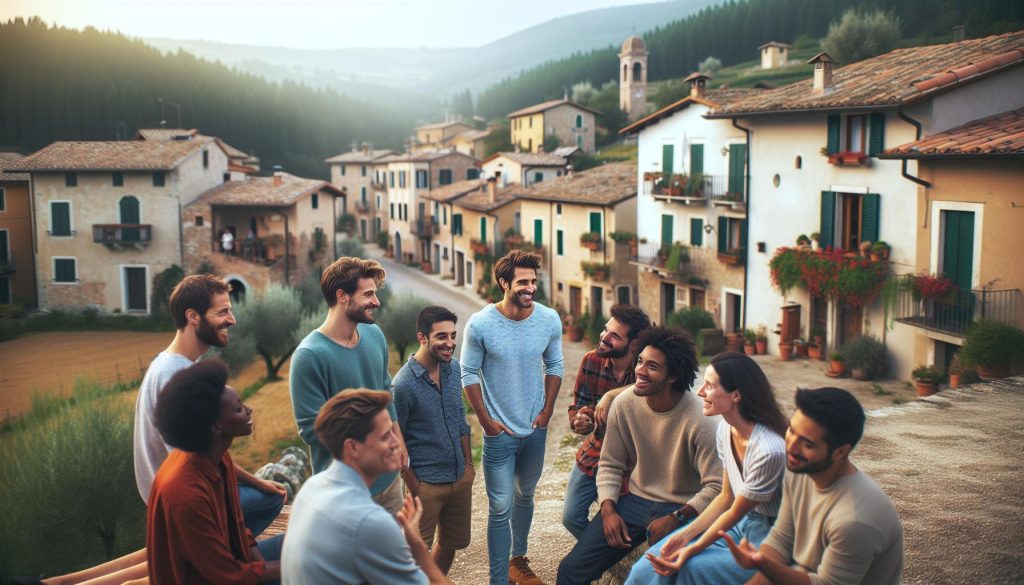
Imagine trading your daily commute for a stunning view of the Italian countryside-all while working remotely from a charming village that’s giving away houses! This unique opportunity not only offers a chance to own property in picturesque settings but also addresses the pressing issue of rural depopulation. As many people seek flexible, remote working arrangements, these deals present an inviting escape from urban hustle and bustle. By relocating to these communities, you can enjoy a lower cost of living, experience a rich cultural heritage, and contribute to revitalizing areas in need of a vibrant population. If you’ve ever dreamed of starting fresh in a scenic location, this might be the perfect time to explore these relocation deals. Keep reading to find out how you can make this dream a reality and navigate the potential challenges of such a significant life change.
Italian Villages Offering Free Homes: An Overview
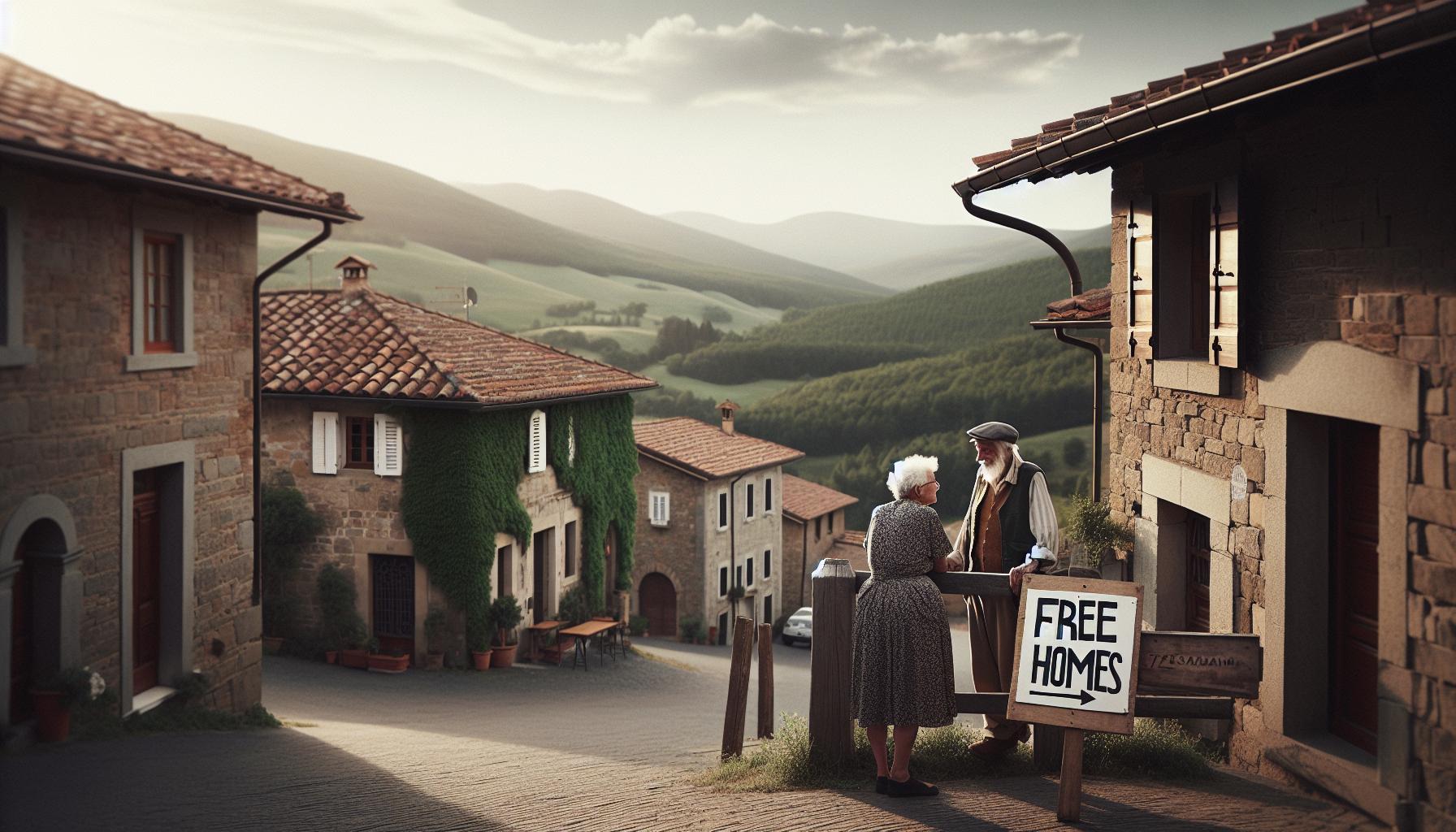
In recent years, the allure of Italian villages giving away homes has captivated adventurers and remote workers alike. Towns across Italy, struggling with depopulation, are offering houses at astonishingly low or even no cost, creating a unique opportunity for those seeking a change in lifestyle or location. These initiatives are not simply about the homes themselves; they are also about revitalizing communities and cultures that have been slowly fading away.
Many of these programs require new residents to commit to restoring and maintaining the properties, which benefits the local economy while enhancing the village’s character. For instance, towns like Sambuca di Sicilia and Ollolai have implemented schemes to entice newcomers with homes priced as low as €1. In return, residents must invest a minimum amount to renovate the property within a specified timeline, often around three years. This fosters a strong community spirit, as new homeowners become integral to the village’s revival while transforming rundown homes into vibrant living spaces.
Relocating to an Italian village can offer numerous advantages beyond just acquiring a property. The reduced cost of living in these rural areas compared to urban centers, coupled with breathtaking landscapes and rich cultural experiences, provides a quality of life that urban dwellers may find refreshing. Furthermore, the acceptance of remote work allows individuals to engage with local culture and communities while maintaining their careers. As these programs gain traction, they are paving the way for a new era of rural living that celebrates both tradition and modernity.
Understanding Remote Work and Relocation Trends

In an increasingly digital world, the rise of remote work has transformed how and where we live. Many are now craving a lifestyle that balances work with leisure, and Italian villages are stepping into the spotlight as ideal destinations for this new way of living. The combination of stunning landscapes, rich cultural experiences, and affordable housing options positions these quaint towns as appealing alternatives to bustling cityscapes.
With initiatives like the €1 house deals, villages such as Sambuca di Sicilia and Ollolai not only attract those seeking affordable homes but also those ready to embrace a slower pace of life. New residents are encouraged to integrate into the community, bringing fresh energy and new commitment to local economies. The lifestyle shift also caters to the growing number of remote workers who desire a change of scenery without relinquishing their careers. This could mean establishing a home office overlooking rolling hills or finding inspiration in charming cafes that double as workspaces.
For anyone considering this move, it is vital to evaluate several factors. Firstly, assessing your job’s flexibility is crucial; more companies are allowing employees to work from anywhere, but confirming your work arrangement is essential before making drastic changes. Furthermore, understanding the technological infrastructure in these villages is key-reliable internet access will be necessary for remote work success.
As remote work becomes more widely accepted and the allure of relocating to a picturesque village grows, individuals and families are encouraged to explore these opportunities while preparing for the unique challenges they may face in adapting to rural life. With community support and careful planning, the journey to a new home in Italy can be both enriching and fulfilling.
Why Move to an Italian Village? Benefits Explored
In recent years, the idea of relocating to a picturesque Italian village has captivated the hearts of many, particularly among those seeking the tranquility of rural life combined with the flexibility of remote work. These villages aren’t just offering cheap or even free housing; they provide an opportunity for a lifestyle drastically different from the hustle of urban environments. The allure is clear: stunning landscapes, a strong sense of community, and a pace of life that prioritizes well-being over constant busyness.
Living in an Italian village means immersing oneself in rich traditions and a unique cultural tapestry. You can participate in local festivals, savor authentic cuisine, and engage with the community in meaningful ways. Many villages have seen a resurgence in population due to new residents actively contributing to local economies by opening businesses, restoring homes, or simply engaging in community activities-translating to a vibrant atmosphere that benefits both newcomers and long-time inhabitants alike.
Moreover, the practical benefits of relocating to an Italian village are numerous. With the low cost of living, individuals can stretch their budgets further than they would in major cities. Groceries are often more affordable, and housing costs can be minimal-especially in programs offering houses for as little as €1. For remote workers, the enchanting towns offer the perfect backdrop for a home office, with views of rolling hills or quaint streets that can inspire creativity and productivity.
Another significant advantage lies in the lifestyle changes that come with village life. Those who shift from urban settings report lower stress levels, greater connection to nature, and improved mental health-benefits that can come at a pivotal time in life when wellness is paramount. However, potential movers should conduct thorough research on connectivity options, as reliable internet access is crucial for effective remote work. Understanding what amenities and infrastructure are available in the chosen village can help ensure a smooth transition while maintaining a professional lifestyle.
In summary, moving to an Italian village is not just about securing a roof over your head but embracing a rich tapestry of life experiences, profound community engagement, and the chance to reconnect with what truly matters. With the right preparation and mindset, this adventure can be a fulfilling journey toward a more balanced and enriched life.
Eligibility Criteria for House Giveaway Programs

Finding a free or extremely inexpensive home in an Italian village is an exciting opportunity, but potential applicants must understand the eligibility requirements of these unique housing giveaway programs. Each village may establish different criteria, but there are common factors and expectations that aspiring homeowners should be aware of.
First, committing to renovation is a typical requirement. Many villages offer homes at little to no cost, but recipients often must agree to renovate the property within a specific timeframe, commonly between 1 to 5 years. This ensures that the homes do not fall into disrepair and contributes to revitalizing the community. Applicants are usually required to submit a renovation plan, detailing how they intend to improve the property and a rough budget to maintain feasibility.
Second, residency requirements can play a significant role. Many programs encourage new homeowners to become part of the community, often expecting them to live in the village full-time. Some villages may even stipulate a minimum period of residency that applicants must commit to-typically ranging from two to five years post-renovation. Applicants should be prepared to prove their intention to reside in the village, which could include providing evidence of their employment (especially if remote work) or engagement in local community activities.
Moreover, financial stability is generally assessed through a straightforward income verification process. While some programs might not specify income thresholds, others may require applicants to demonstrate the financial ability to sustain themselves and handle the costs associated with home ownership and renovation.
Summary of Eligibility Criteria
- Renovation Commitment: Agreeing to renovate the home within a specified timeframe.
- Full-time Residency: A requirement to live in the village post-renovation.
- Financial Capability: Proof of financial stability to support renovation and living expenses.
By recognizing and preparing for these eligibility criteria, potential applicants can position themselves favorably in the competitive draw for homes in Italy’s charming rural villages. Embracing this opportunity can lead to fulfilling relocations marked by vibrant community life and breathtaking landscapes.
Exploring Italy’s Most Generous Villages
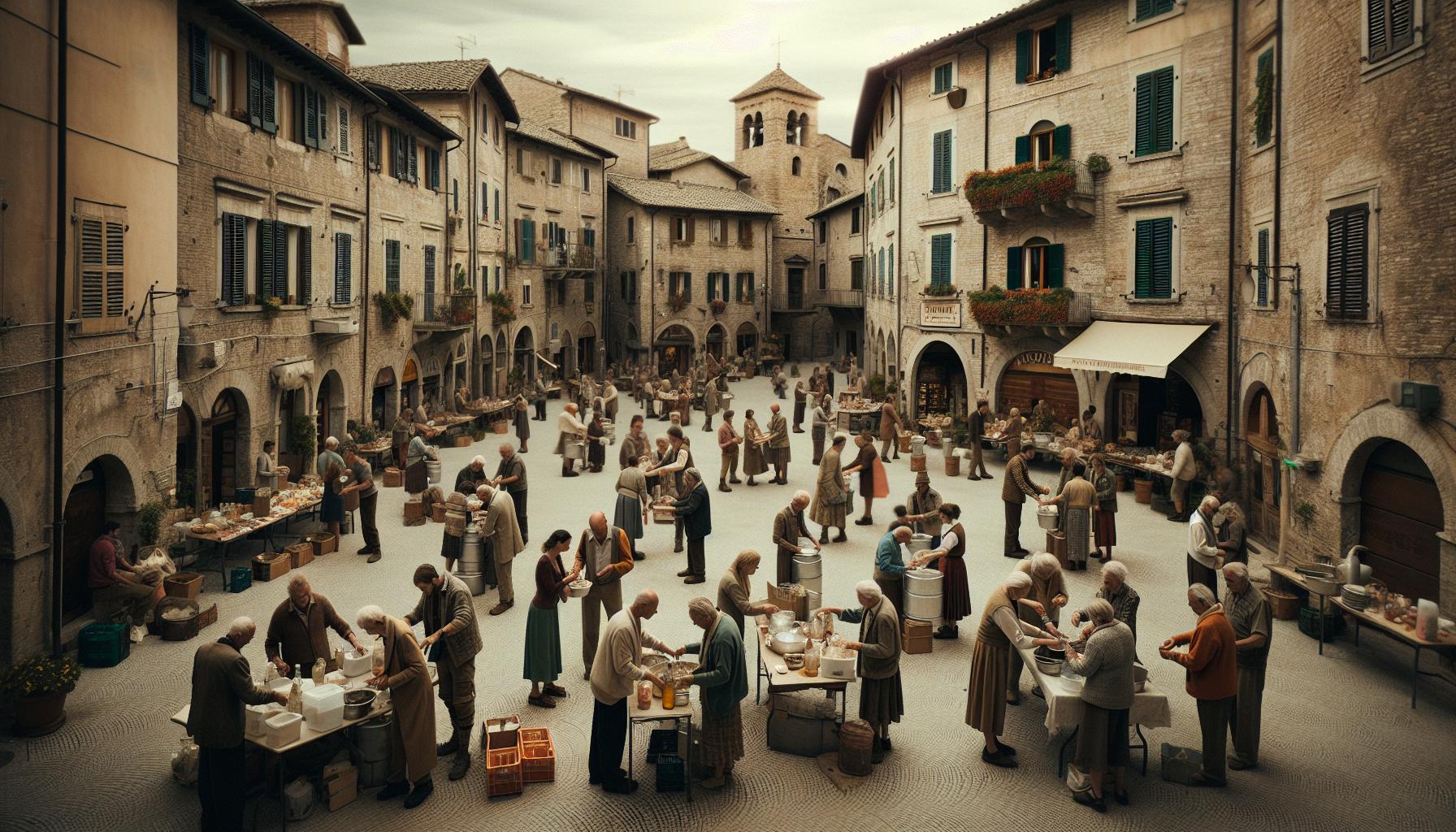
Italy is becoming a beacon for those seeking a fresh start, attracting people from all corners of the globe with its generous housing giveaway programs. Nestled among picturesque landscapes are villages that proudly offer homes for free or at astonishingly low prices to breathe new life into their communities. These opportunities not only provide a roof over one’s head but also a chance to immerse oneself in a vibrant cultural tapestry and perhaps lead to the dream of working remotely in one of the world’s most stunning backdrops.
One standout example is Sambuca di Sicilia, recognized for its initiative that has captivated aspiring residents. The village is offering homes starting at just €1! To qualify, new homeowners must commit to restoring the neglected properties, rejuvenating the area and fueling local economic growth. Similarly, Zungoli in Campania has developed a program that attracts remote workers by providing homes at very affordable prices, further emphasizing community engagement as part of their application process.
While exploring these generous offers, potential movers should consider locations like Castropignano and Bivona. Both villages have established housing initiatives designed to attract newcomers eager to revitalize the region. Castropignano, in particular, is making headlines with initiatives aimed at families and professionals looking for a tranquil yet charming lifestyle. Applicants are encouraged to embrace the local culture, which not only involves renovation plans but also active participation in community life.
In addition to affordability, these programs offer significant lifestyle benefits, such as reduced living costs compared to urban centers. This unique blend of low-cost housing and a strong community spirit makes these villages ideal for those seeking a rewarding work-life balance. As they embark on this journey, potential applicants can visualize not just a house but a new home filled with opportunities, beauty, and a slower pace of life that is often hard to find in bustling city environments.
not only opens doors to owning a home but paves the way for a fulfilling life intertwined with history, nature, and community. Whether you’re looking to integrate remote work into your lifestyle or seeking a serene retreat, these villages provide an amazing gateway to a new chapter.
The Application Process: Step-by-Step Guide
Navigating the application process for houses offered by Italian villages can seem daunting, but with a clear understanding of the steps involved, aspiring applicants can tackle it with confidence. Many villages have laid out straightforward requirements aimed at revitalizing their communities. Here’s a step-by-step breakdown to guide you through this exciting journey.
Step 1: Research Villages and Their Programs
Begin by exploring the villages that are currently offering homes at little to no cost. Each village has its unique programs, deadlines, and specific conditions. For instance, Sambuca di Sicilia requires commitment to renovation, while Zungoli emphasizes the importance of community involvement. Review official websites and social media pages to gather as much detailed information as possible.
Step 2: Check Eligibility Criteria
Before applying, ensure that you meet the specific eligibility criteria set by the village. Common requirements may include:
- A minimum age limit (often 18 years or older)
- Commitment to renovate the property within a stipulated timeframe (usually between 1 to 3 years)
- Proof of financial stability to support renovation costs and living expenses
- A willingness to participate in community activities and contribute to local life
Step 3: Prepare Necessary Documents
Gathering the required documentation is crucial. You may need:
- A valid passport or ID
- Proof of income or financial capability
- Detailed plans for property renovation
- References that highlight your commitment to community involvement
Ensure all documents are translated into Italian if required, as this can speed up the review process.
Step 4: Submit Your Application
Follow the application instructions provided by the village. Some may require online submissions, while others might prefer hard copies sent via mail. Ensure your application is complete and submitted before the deadline. Online forums and community groups can offer insight into individual application processes and timelines.
Step 5: Participate in Interviews or Meetings
In some cases, villages may invite applicants for interviews to assess their fit within the community. Use this opportunity to express your enthusiasm for the project and how you plan to contribute to village life. Be prepared to discuss your renovation plans and community involvement ideas.
Step 6: Review of Applications
After submission, the village council will review applications and may take several weeks to months to finalize their decisions. During this period, you may want to engage further with your chosen community through social media or local groups to demonstrate your interest.
Step 7: Post-Acceptance Commitments
Once accepted, you’ll usually sign a formal agreement outlining your responsibilities regarding renovation and community participation. Ensure that you understand these commitments fully, as fulfilling them is vital for your success and long-term residency in the village.
By following these steps, potential new residents can turn an exciting opportunity into reality-embracing life in an Italian village while contributing to its rejuvenation and community spirit.
Cost of Living in Italian Villages Compared
Living in an Italian village offers a tantalizing glimpse into a life defined by tranquility, rich culture, and a stronger sense of community. However, understanding the cost of living in these villages is essential when considering relocating, especially for those attracted by the allure of free housing giveaways. Generally, the cost of living in rural Italian areas is significantly lower than in larger cities like Rome or Milan, making it an appealing option for remote workers and those seeking a simpler lifestyle.
Food and dining expenses in villages can be quite manageable. Grocery prices are often lower due to local markets and the availability of fresh, local produce. For example, you might find that purchasing fruits, vegetables, and bread locally costs 20-30% less than in urban areas. Eating out is also more affordable, with local trattorias offering hearty meals for €10-15, which is often half the price of similar meals in major cities.
Housing costs, particularly for individuals who qualify for house giveaway programs, can be negligible as initial investments are primarily focused on renovation. Monthly utility costs typically range from €80 to €150, depending on usage and the size of the home, including electricity, water, and internet services. Additionally, property taxes in these regions are often lower, further reducing the financial burden.
Transportation costs can also vary, but many villages are well-connected through public transport, making it easy for remote workers to commute to nearby towns. For residents opting for personal vehicles, fuel prices are on par with the national average, but overall expenses can be reduced with the availability of walking and cycling paths in many areas.
For those considering relocation, it’s important to weigh the renovation costs against the overall savings on living expenses. Establishing a budget based on the lower cost of living can help ensure a sustainable lifestyle while integrating into the vibrant communal life that rural Italian villages offer.
Here’s a quick comparison to illustrate the differences:
| Cost Category | Average Cost in Villages | Average Cost in Cities (e.g., Rome) |
|---|---|---|
| Groceries (monthly) | €150-€250 | €200-€350 |
| Dining Out | €10-€15 per meal | €20-€30 per meal |
| Utilities (monthly) | €80-€150 | €100-€200 |
| Transportation (monthly public transport pass) | €30-€50 | €50-€100 |
By factoring in these costs, potential movers can create a realistic financial plan that enhances their rural living experience while participating in the rejuvenation of Italy’s charming villages.
Tips for Working Remotely from Italy
Working remotely from an Italian village can feel like a dream come true, combining picturesque surroundings with the flexibility of modern work. However, to make the most of this unique lifestyle, it’s essential to create a conducive work environment and establish a routine that supports productivity while embracing the charm of rural life.
One of the first steps to ensure a successful remote work experience is securing reliable internet connectivity. Many villages are gradually increasing their broadband access, but it’s wise to check local providers and connection speeds before moving. A simple assessment can involve contacting neighbors or local businesses for their internet experiences. Additionally, consider investing in a mobile Wi-Fi hotspot as a backup option to stay connected when needed.
Establishing a Routine
Structuring your workday can greatly enhance productivity while living in a tranquil environment. Start by setting regular working hours, allowing yourself to balance work with leisurely village activities. Try to incorporate breaks to enjoy local coffee shops or take a stroll through beautiful landscapes, which can help refresh your mind and keep motivation high. Use tools like digital calendars or productivity apps to track deadlines and manage tasks efficiently.
Embracing the Community
Integrating into the local community is another vital aspect of successfully working remotely in an Italian village. Engage with locals by attending village events, farmers’ markets, or language classes. These interactions can not only enrich your cultural experience but also expand your professional network, leading to opportunities or collaborations you might not have encountered otherwise. It’s a way to blend work and life, making your time in Italy even more rewarding.
Managing Work-Life Balance
Finally, consider the challenges of work-life balance in a picturesque setting where distractions abound. Designing a dedicated workspace within your home can help create a boundary between professional and personal life. Whether it’s a cozy corner in your living room or a separate office space, ensure you have all the equipment you need easily accessible. Maintaining that boundary can protect your working time and allow for more enjoyable exploration of your new surroundings after hours.
By approaching remote work in Italy with intention and structure, you can fully enjoy the benefits of living in a charming village while successfully managing your professional responsibilities. Make the most of this opportunity by balancing work with local cultural experiences, thus enriching your life in beautiful Italy.
Cultural Insights: Living in an Italian Village
Living in an Italian village offers a unique blend of history, community, and culture that can profoundly enrich your experience, especially as you transition into a remote work lifestyle. The charm of cobblestone streets, local festivals, and the warmth of community life creates an inviting atmosphere for newcomers. Immersing yourself in the local culture not only enhances your personal life but also fosters connections that can benefit your professional networking efforts.
Cultural engagement is key. Participating in village events, such as religious festivals, communal dinners, or local markets, allows you to connect with residents and understand their traditions and way of life. These gatherings can provide informal networking opportunities, helping you forge friendships that may lead to professional collaborations or even client relationships. For instance, attending cooking classes or art workshops can be an excellent way to meet locals and fellow expatriates, creating a supportive social circle to enhance your experience.
Furthermore, embracing siesta culture might initially seem daunting, but it presents an opportunity to recalibrate your work schedule. Many small towns observe a mid-afternoon break, allowing for rest and rejuvenation. This cultural practice can encourage you to integrate regular breaks into your routine, enhancing productivity while maintaining a healthy work-life balance.
Navigating the nuances of local customs can also lead to remarkable experiences. For example, learning a few phrases in Italian not only facilitates communication but also conveys respect and appreciation for the culture, significantly improving your integration into village life. Newcomers often find that attending language classes, alongside locals, helps bridge the gap and fosters a sense of belonging.
In summary, living in an Italian village is not just about the picturesque views and affordable housing; it’s an adventure intertwined with cultural immersion. Engaging local traditions and community life can transform your remote work routine into a fulfilling lifestyle. Embrace the new rhythm of village life, allowing it to enhance both your professional endeavors and your personal growth in this beautiful setting.
Success Stories: Families Who Made the Move
Relocating to an Italian village has transformed the lives of many families, turning dreams of a simpler, more fulfilling lifestyle into reality. One such family, the Johnsons from California, decided to make the leap when they heard about communal initiatives in rural Italy offering free homes in exchange for revitalizing the local community. With two kids in tow, they packed their bags and embraced the adventure. Thriving in their new environment, they tapped into remote work opportunities while engaging with the locals, from participating in seasonal festivals to collaborating on community projects.
Real-World Examples of Successful Moves
Another inspiring story comes from the Martinez family, who moved from New York. They took advantage of a municipality in Sicily that was giving away houses as a part of its revitalization effort. After applying online and submitting their proposal detailing their community involvement plans, they received positive feedback almost immediately. They set up a small café, focused on local cuisines and arts, quickly becoming social hubs for both locals and tourists. This not only improved their quality of life but also provided job opportunities for the village residents, illustrating how committed newcomers can invigorate local economies.
Similarly, the Robinsons found joy in Italy’s vibrant culture and scenic landscapes after moving to a village in Abruzzo. They had initially hesitated, worrying about leaving family and friends behind, but the supportive expat community and welcoming locals made integration smoother than expected. The couple established a small online business, which meant they could work flexibly from their idyllic home while enjoying family time and contributing to local events. Their journey showcases that moving to a small village can pave the way for professional innovations blended with an enriching family life.
The Ripple Effect of Relocation
These stories illustrate more than just the allure of free housing; they serve as testimony to the resilience and creativity of families seeking a better balance of life. The engagement with local traditions, collaborative ventures, and commitment to community upliftment fosters a sense of belonging that goes far beyond financial savings. By connecting with locals, participating in community projects, and embracing cultural nuances, these families have carved out fulfilling new lives, showing that the shift to rural Italy is both possible and rewarding for aspiring expatriates.
The courage to step into the unknown and the willingness to contribute meaningfully can result in personal and professional fulfillment, turning individuals and families into vital parts of their new village ecosystems. This journey not only reshapes their lives but also revitalizes the communities they join, proving that the benefits of relocating to these unique Italian villages extend well beyond mere habitation.
Navigating Challenges: What to Expect After Moving
Adjusting to life in an Italian village after relocating can present both rewarding experiences and real challenges. Embracing this new lifestyle doesn’t mean it will be devoid of bumps along the way; understanding these challenges prepares you for a smoother transition. Many newcomers experience culture shock, which can be marked by the contrast in lifestyle pace, local customs, and community engagement compared to urban living. Finding a rhythm in slower-paced village life might take time. It’s essential to allow yourself to adapt gradually and to be open to learning about the community’s traditions and values.
Engagement with the local community is crucial but can also feel intimidating. Language barriers can complicate social interactions, but immersive experiences often provide the best learning opportunities. Enroll in language classes offered locally or participate in community events to practice your Italian in a supportive setting. Consider initiating conversations with your neighbors-many locals appreciate the effort and will gladly assist with translation or cultural insights. This approach fosters connections and can lead to valuable friendships, easing your integration.
Another common hurdle is the practical aspect of remote work. Although transitioning to a remote workstation in such serene settings is appealing, you may encounter issues like internet connectivity and workspace logistics. Before moving, research the area’s infrastructure to ensure reliable internet access-critical for those working remotely. Additionally, establish a comfortable workspace at home that inspires productivity while accommodating daily distractions typical in village life. If difficulties arise, connecting with others navigating similar paths can provide support and solutions.
Be prepared for bureaucratic processes-navigating local paperwork, tax regulations, and even house maintenance responsibilities can be daunting. Familiarize yourself with local governance, such as understanding your rights and obligations as a homeowner. Utilizing online resources, or seeking assistance from expat groups, can simplify complex bureaucratic systems.
Ultimately, fostering a mindset of resilience while embracing the slower pace of village life can lead to profound personal and professional growth. Millions worldwide are drawn to Italy’s charm; your capacity to face these challenges with tenacity will be paramount in transforming your new village into a true home.
Future of House Giveaways in Italy and Beyond
As the allure of sustainable living gains traction, the trend of offering free homes in Italian villages is not just a fleeting fad; it’s poised to become a significant part of rural revitalization efforts across Europe and beyond. Notably, this initiative addresses two pressing issues: combating depopulation in rural areas and accommodating the growing demand for remote work settings. In small towns eager to attract new residents, house giveaway programs present tangible solutions for individuals seeking a fresh start while contributing positively to local communities.
Many Italian municipalities are beginning to recognize the benefits of these programs. They not only entice newcomers but also revitalize local economies by increasing populations that keep schools open, services operational, and local cultures alive. Towns like Sambuca di Sicilia and Ollolai have successfully implemented such initiatives, turning empty properties into homes for families and individuals drawn by the charm of village life. This symbiotic relationship between new residents and welcoming villages could redefine rural landscapes and demographics.
Looking to the future, the scalability of the house giveaway model could expand into broader regions, encouraging more local governments to emulate successful examples. These programs could evolve beyond mere giveaways to include comprehensive support systems, providing new residents with mentorship, resources for setting up businesses, or guidance on navigating local bureaucracies. Furthermore, as telecommuting continues to reshape work culture, prospective residents might find themselves with even more flexible opportunities, making the idea of relocating to Italy’s picturesque settings more appealing and feasible.
To navigate this future, potential applicants should remain informed about eligibility criteria and application processes, which tend to vary by region. Creating checklists or guides could simplify these steps and empower individuals to seize the opportunity confidently. Engaging with local online communities or participating in informational webinars could enhance awareness and accessibility, ensuring that moving to an Italian village becomes a reality for those ready to embrace the adventure and richness of rural life.
Q&A
Q: What are the advantages of moving to an Italian village for remote work?
A: Moving to an Italian village offers affordable living costs, breathtaking scenery, and a rich cultural experience. Villages often have a tight-knit community, making it easier to integrate and build connections. Additionally, the relaxed lifestyle can enhance your work-life balance, boosting productivity while enjoying Italy’s charm.
Q: How do I apply for a house giveaway in an Italian village?
A: To apply for a house giveaway, you typically need to submit an application form, often along with a statement of intent detailing your plans for renovation and residence. Each village has specific guidelines, so check local resources or official websites for detailed instructions on the application process [[6]].
Q: Are there any costs associated with moving to an Italian village?
A: While the houses may be free or low-cost, there are still expenses to consider, such as renovation costs, property taxes, and living expenses. Always plan for utility bills and potential translation services if needed. Understanding the overall cost of living will help you budget effectively [[7]].
Q: What challenges might I face when relocating to an Italian village?
A: Relocating can present challenges like language barriers, adapting to local customs, and finding reliable services. It’s crucial to embrace flexibility and prepare for a learning curve. Additionally, understanding the local bureaucracy and legal requirements for residency can streamline your transition [[8]].
Q: Can remote workers get special benefits moving to Italy?
A: Yes, some Italian villages offer incentives for remote workers, including tax breaks, grants for business setup, and support for community integration. Research the specific village policies to uncover potential benefits that align with your work situation [[9]].
Q: What documents do I need to relocate to an Italian village?
A: Essential documents include a valid passport, visa (if required), and possibly proof of income or employment. It’s advisable to collect and translate any necessary documents before applying for residency or house giveaways, ensuring compliance with Italian regulations [[10]].
Q: How do I choose the right Italian village to relocate to?
A: To choose the right village, consider factors like access to amenities, community activities, climate, and Internet connectivity. Researching villages that align with your lifestyle preferences and professional needs will aid in making an informed decision [[11]].
Q: What is the future outlook for house giveaways in Italy?
A: The future of house giveaways in Italy looks promising as more villages recognize the benefits of revitalizing communities through remote workers. Ongoing tourism demand and government support may lead to expanded programs, so staying informed about changes in policies can benefit prospective movers [[12]].
Key Takeaways
As you consider the incredible opportunities of relocating to an Italian village offering free houses, remember that this could be your chance to embrace a new lifestyle while working remotely. Don’t miss out on this unique chance-act now, as these offers can change rapidly! If you have questions or concerns about the relocation process, check out our comprehensive guides on remote work regulations or local tax credit programs to help navigate your transition.
Continue exploring our resources on relocating abroad and the benefits of remote work. Sign up for our newsletter for updates on new programs and tips for successful relocation. Remember, your dream of living in a beautiful village while working remotely is within reach. Share your thoughts or experiences in the comments; we love hearing from you! Your journey begins now-let’s dive deeper together and make your Italian relocation a reality!