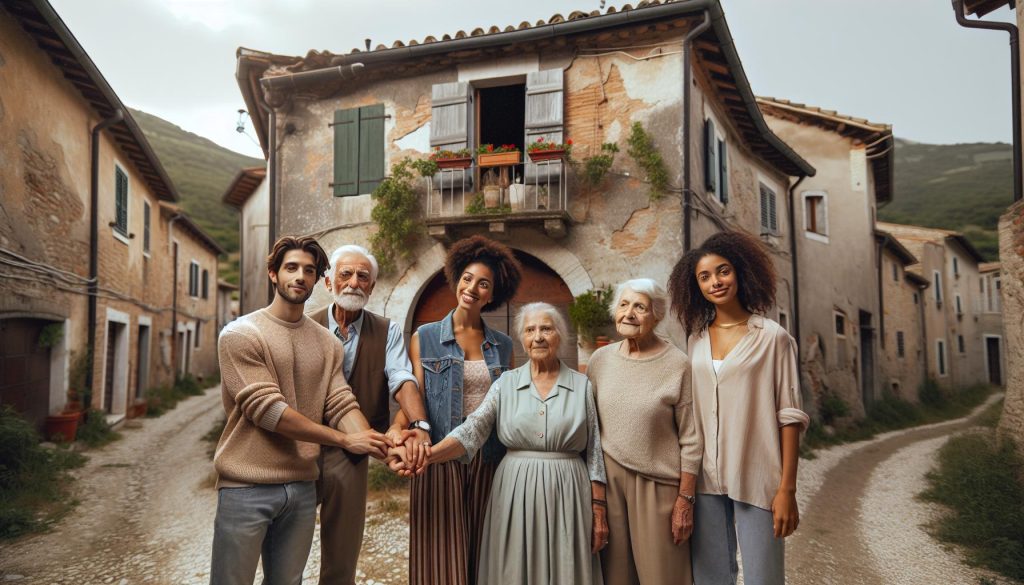
Across Italy, charming villages are turning an intriguing page in their histories by offering houses for as little as one euro to attract new residents. This initiative not only aims to revive these beautiful yet dwindling communities but also highlights a pressing issue: the depopulation of rural areas where family legacies and rich cultural heritages are at risk of disappearing. For many, this could be a transformative opportunity, presenting a chance to escape crowded urban life while gaining a foothold in an idyllic setting. Imagine stepping into a vibrant community steeped in history, where you can make a home, contribute to local traditions, and enjoy the slower pace of life. As you delve into this topic, you’ll discover insights into how these unique programs work, what you need to consider, and how you might join the movement breathing new life into these picturesque Italian towns. So, whether you’re dreaming of a new beginning or simply curious about this captivating trend, keep reading to uncover the potentials of these once-hidden gems.
Italian Towns Offering Free Houses Explained
In recent years, several small towns across Italy have embarked on a remarkable initiative: offering free houses to attract new residents and rejuvenate their communities. This trend has gained significant attention due to the charming landscapes and rich cultural heritage these villages possess, alongside the allure of living in a picturesque Italian setting at little to no cost. The underlying goal is to combat declining populations and revitalize local economies by inviting people to settle in areas that have seen a population decrease due to urban migration and changing demographics.
These programs typically aim to attract families, young professionals, and retirees who are open to relocating to rural areas. Towns such as Sambuca di Sicilia and Alice Castello have garnered headlines for their appealing offers, each coming with varying conditions and commitments. For instance, while some towns require beneficiaries to renovate the property within a certain timeframe, others impose a nominal fee that is largely offset by the property’s value appreciation post-renovation. It’s essential for potential applicants to understand the specific requirements tied to each location, as these can include both financial commitments and engagement with community life.
Some towns even offer additional incentives, such as grants or low-interest loans, to support the renovation process. These efforts not only promise to provide homes for individuals but also to cultivate vibrant, sustainable communities. By integrating newcomers into the social fabric of these areas, towns hope to generate a mix of old and new ideas, investments, and cultural exchanges that contribute positively to local life.
With each town presenting its unique criteria and benefits, interested individuals should research various regions extensively. This will help them choose a place that aligns not only with their lifestyle aspirations but also with the community’s long-term vision. The chance to live in an authentic Italian village while making a meaningful contribution to its revival can be an enticing opportunity for those ready to embrace a change in scenery and lifestyle.
Why Villages Are Struggling to Attract Residents
Despite the enticing offers of free homes, many Italian villages continue to struggle to attract residents. This issue stems from a complex interplay of societal, economic, and infrastructural factors that often deter potential newcomers from making these remote areas their home.
One significant factor is the allure of urban life, which tends to overshadow rural living. Cities provide greater job opportunities, access to modern amenities, and vibrant social scenes that are difficult to replicate in small towns. With an increasing number of young people migrating to urban centers for education and employment, rural areas suffer a demographic drain, leaving behind aging populations and declining community engagement.
Moreover, the infrastructure in many of these villages may not meet the needs of a modern resident. While some towns are working to improve internet connectivity and public transportation, others still lag behind, making it challenging for new residents who require reliable services for remote work or commuting. A lack of healthcare facilities and limited educational resources can further dissuade families from relocating.
Additionally, cultural integration poses a challenge for newcomers. While towns hope to attract families and individuals who can breathe new life into their communities, potential residents may feel apprehensive about fitting in or adapting to the local lifestyle. This can discourage those considering a move, as they fear losing the sense of community and belonging that they might have experienced in more diverse environments.
In essence, while the promise of free housing is an attractive proposition, the underlying issues of urban migration, infrastructural inadequacies, and social integration must be addressed thoughtfully to ensure these villages can not only attract new residents but also support them in building fulfilling lives within their communities.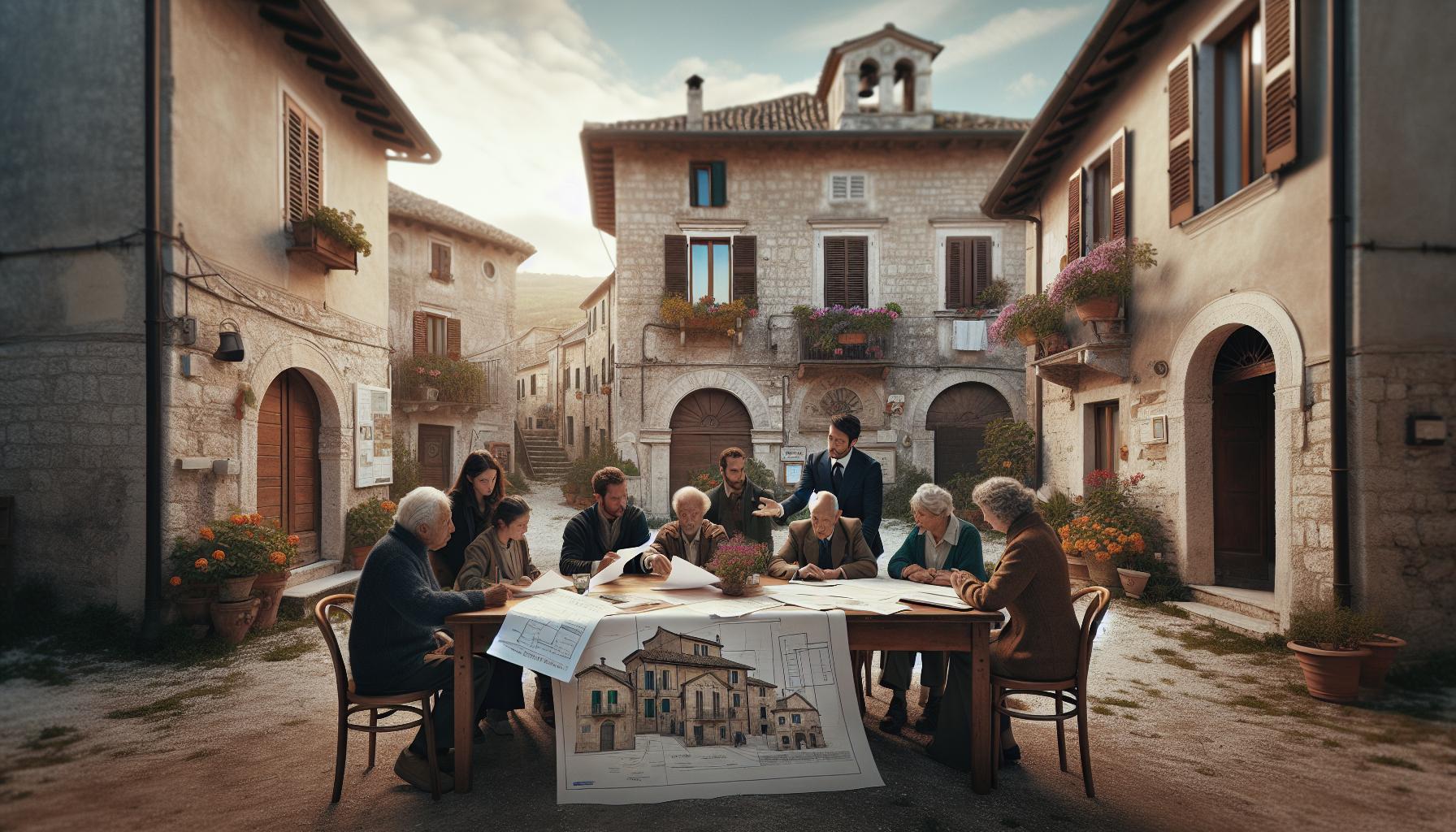
How You Can Claim a Free House in Italy
In an innovative effort to rejuvenate their populations, several Italian villages are offering free houses to attract new residents. This intriguing phenomenon allows individuals and families to settle into beautiful rural settings-often at no cost-by simply agreeing to renovate the properties and invest in the community. Here’s how you can embark on this unique journey and claim a free house in Italy.
First, it’s essential to identify the villages that are currently participating in house giveaway programs. Regions like Sicily, Calabria, and small towns in Abruzzo have launched initiatives designed to revitalize their communities. Often, local government websites or social media pages provide information about available properties, application procedures, and specific requirements for potential residents.
To be eligible for these programs, prospects typically must meet certain criteria. Common requirements include being of legal age, demonstrating a commitment to refurbish the property within a specified timeframe (often between three to five years), and securing a local residency status. Some towns may also ask for proof of financial stability to ensure that new residents can afford the costs associated with moving and renovations.
Once you’ve pinpointed a village and confirmed your eligibility, the application process can begin. Here’s a step-by-step guide to help navigate this journey:
- Research Available Homes: Visit the official websites of interested villages or reach out directly to local authorities for available properties.
- Prepare Necessary Documents: Gather identification, proof of income, or any required certificates indicating your ability to renovate the house.
- Submit Your Application: Fill out the application form provided by the village, ensuring all information is accurate and complete.
- Attend Interviews (if required): Some municipalities may conduct interviews to gauge your commitment and plans for integrating into the community.
- Finalize Agreements: If accepted, review and sign any legal documents outlining your obligations regarding the property renovation and community involvement.
Being proactive and adaptive can greatly enhance your experience. Consider joining local online forums or social media groups where past participants share their experiences and tips. This insight can be invaluable, especially regarding navigating local bureaucracy or cultural expectations. Although the offer of a free home is enticing, it comes with responsibilities that can lead to a fulfilling rural life in Italy.
Eligibility Criteria for House Giveaway Programs
To step into the unique opportunity of claiming a free house in Italy’s rural villages, it’s essential to understand the eligibility criteria that pave the way for potential residents. Most programs define specific requirements to ensure that new inhabitants are committed to the community and capable of rehabilitating the homes offered. The primary stipulations typically center around age, residency, renovation commitments, and financial capacity.
First and foremost, applicants must generally be of legal age, often 18 years or older. This criterion ensures that individuals are legally capable of entering into contracts and taking responsibility for the property. Another crucial requirement involves a promise to renovate the property within a designated timeframe, which can range from three to five years depending on the village’s regulations. This commitment not only encourages investment in the home but also supports the revitalization efforts of the community.
Financial Stability
Prospective residents might also need to demonstrate financial stability. While not always strictly enforced, towns may request proof of sufficient income or savings to cover the initial costs associated with moving and renovations. This aspect is particularly important as it assures the community that new residents can sustain their living conditions and contribute positively to local growth. Acquiring adequate insurance for the property may also be a requirement, ensuring that unforeseen costs do not burden either the new homeowners or the village.
It’s essential to note that specific towns might have additional criteria or unique processes, so potential applicants should thoroughly research the requirements of the villages they are interested in. Resources such as local government websites or community social media groups can provide valuable insights into varying rules, property specifics, and support available for newcomers. Proceeding with a clear understanding of these prerequisites not only prepares applicants for a smoother application process but also fosters a more profound commitment to making a new home in Italy’s picturesque countryside.
Exploring the Different Regions with Free Housing Offers
In the heart of Italy, myriad towns are opening their doors to newcomers by offering free houses, turning the dream of living in a picturesque village into reality. This initiative is a unique response to the challenges rural areas face as populations dwindle. Towns across different regions, each with its own charm and character, are seeking to revitalize their communities by attracting residents who want to renovate and breathe new life into abandoned properties.
- Sicily: Among the most notable examples, the town of Sambuca di Sicilia gained international attention when it offered homes for just one euro. The stunning landscape, historic architecture, and a vibrant local culture make it a tempting option for those looking to embrace a slower pace of life.
- Calabria: In this southern region, towns such as Ollolai and Sant’Antioco are also giving away houses as part of their strategy to repopulate. These areas boast breathtaking coastlines and rich culinary traditions, making them ideal for those who appreciate authenticity and connection to nature.
- Sardinia: Villages like Nulvi are enticing newcomers with free housing offers, coupled with a promise of community support and integration opportunities. Sardinia’s unique culture and natural beauty provide a compelling backdrop for a fresh start.
- Piedmont: In the northern region, several towns are launching initiatives aimed at attracting residents to help revitalize their declining populations. The picturesque hills and renowned cuisine enhance this region’s allure.
Each region provides a different experience based on its cultural heritage, climate, and community spirit. Potential residents should consider what lifestyle and environment best suit them, as these factors will significantly impact their overall happiness in their new home. Researching local amenities, such as schools, healthcare facilities, and cultural resources, can greatly influence the decision-making process.
When exploring these opportunities, it’s crucial to reach out to locals through social media groups dedicated to expatriates or rural living. Hearing firsthand experiences can provide invaluable insights into life in these towns and help prospective residents envision their new lives amidst Italy’s breathtaking landscapes and rich traditions.
The Application Process: Step-by-Step Guide
The journey to claiming a free house in Italy may seem daunting, but with a clear step-by-step approach, it can be both manageable and rewarding. Various towns across Italy have specific applications and requirements that aspiring new residents must navigate. Understanding these steps is crucial for successfully moving to a picturesque village and possibly revitalizing a community.
Start by identifying the towns and regions that are currently offering free housing initiatives, such as Sambuca di Sicilia or Ollolai. Each location has unique attributes and specific requirements for applicants. Research local announcements and official municipal websites for detailed information on available houses and the guidelines that govern the programs.
Once you’ve identified your preferred locations, the next step is to prepare your application materials. Generally, you will need to submit the following items:
- Proof of identity and residency (passport or ID).
- A declaration of intent, detailing why you wish to relocate to the town.
- Your plan for renovating the property within a specified timeline (often ranging from one to three years).
- Evidence of financial stability, which can include bank statements or employment letters.
After gathering your documents, you will need to formally submit your application. Many towns offer online submission platforms, making it easier for international applicants. In some cases, you may need to apply in person at the local municipality. It’s advisable to stay in contact with town officials during this stage to facilitate the process and clarify any potential questions about the requirements.
Upon submission, your application will be reviewed, which can take several weeks to months, depending on the town’s administrative workflow. Patience is key during this waiting period. Once accepted, you will receive permission to take possession of the house, often accompanied by an official contract outlining your responsibilities regarding renovations and local integration.
It’s also vital to understand any additional costs involved, such as taxes on property ownership and expenses related to renovations. Creating a budget plan will help you manage these costs effectively. Finally, upon becoming a resident, immerse yourself in the local community through networking and participating in local events, which will not only ease your integration but also enrich your overall experience in this new chapter of life in Italy.
Success Stories: Residents Who Made the Move
A wave of optimism has swept through the Italian countryside, transforming not only abandoned homes but also the lives of those who answer the call of rural living. Stories of residents who have embraced the unique opportunity to renovate charming, old houses for free in towns like Sambuca di Sicilia and Ollolai are inspiring many to consider a new beginning far from the hustle and bustle of city life. These tales illustrate the potential for revitalization not just of property, but of community spirit and personal happiness.
One such success story comes from Sarah and Tom, a couple from the UK who navigated their way through Italy’s rural housing initiative. Drawn by the promise of a free house, they packed up their city life and moved to a quaint village nestled in the Sicilian hills. Initially, the challenges of restoring their 200-year-old abode felt overwhelming, but with the support of locals and fellow new residents, they not only completed the renovations but also started a community gardening project that brought together their neighbors. Now, the couple enjoys a fulfilling lifestyle, hosting tours to share their journey with others interested in moving to Italy.
Similarly, Jason, an artist from the United States, found his haven in a small village in Sardinia. Faced with the daunting task of making a derelict property livable, he leveraged his skills and artistic vision to create not just a home, but a vibrant studio space that has since become a hub for local creativity. Jason’s home has attracted workshops and events, revitalizing interest in the village and creating bonds among residents, old and new. His story emphasizes the potential for personal contribution to community well-being, illustrating that individuals can make a significant impact even in the most rural settings.
Sharing Lessons Learned
While these transformations are exciting, prospective residents should take note of the unique challenges they faced. Learning to navigate local bureaucracy, while often frustrating, became a valuable experience for many. Joining community meetings and participating in local festivals helped newcomers build relationships and establish their place in the village.
For those considering this path, here are a few tips gleaned from the experiences of these residents:
- Embrace Local Culture: Attend local events and help out with community projects to forge connections.
- Be Patient: Home renovations often come with unexpected delays-patience is key.
- Make a Budget: Renovations can exceed initial estimates, so plan your finances carefully.
- Stay Informed: Keep up with local regulations and requirements, especially regarding property ownership and renovations.
As these inspiring stories illustrate, moving to rural Italy offers a chance to start anew, engage with community life, and contribute to the restoration of treasured heritage while embracing the serenity that the countryside provides. For many, the possibility of a new beginning in an enchanting locale, combined with a supportive environment, has turned dreams into reality.
Understanding the Costs of Moving to Rural Italy
Moving to rural Italy offers a unique opportunity to embrace a new lifestyle, especially with towns giving away houses to attract residents. However, the charm of a free home can quickly be overshadowed by the hidden costs associated with such a move. Aside from the initial allure of a zero-cost property, prospective residents should prepare for several financial considerations that can impact their budget and overall experience.
First, consider renovation expenses. Many of the homes available through these initiatives are in a state of disrepair, requiring significant investment for refurbishment. Costs can vary widely depending on the property’s condition and the extent of work needed, from basic repairs to complete overhauls. It’s crucial to set aside a budget for these renovations, as they can often exceed initial estimates. For example, if a homeowner anticipates $10,000 in renovation costs, it’s wise to plan for an additional 20% contingency to cover unexpected expenses.
Moreover, prospective movers should account for legal fees and property taxes. While the houses may be offered for free, there may be legal costs involved in transferring ownership or registering the property, which can include notary fees and tax assessments. It’s advisable to consult with a local attorney who understands Italian real estate laws to navigate these processes effectively.
- Renovation Costs: Budget for potential repairs and restorations, which may range from a few thousand to tens of thousands of euros.
- Legal Fees: Prepare for administrative and legal expenses, typically around 1-2% of the property’s assessed value.
- Property Taxes: Even if the house is free, ongoing property taxes will apply, so check the local rates.
- Insurance: Securing property insurance is essential and should be factored into ongoing monthly costs.
In addition to these financial aspects, daily living costs in rural Italy should not be overlooked. While many small towns offer a lower cost of living compared to major cities, expenses like food, transportation, and healthcare can vary significantly by region. It’s vital to research the local market rates and establish a budget that accounts for these day-to-day expenses.
To support potential residents in their planning, here’s a quick checklist of costs to consider:
| Cost Type | Estimated Range (€) |
|---|---|
| Renovation Costs | 5,000 – 50,000+ |
| Legal Fees | 1-2% of property value |
| Property Taxes | 200 – 2,000+/year |
| Insurance | 300 – 1,000/year |
| Daily Living Expenses | 300 – 1,200/month |
Relocating to rural Italy can truly be a rewarding journey, but understanding the financial implications is critical to ensuring a smooth transition. By thoroughly preparing for both expected and unexpected costs, future residents can turn their dreams of Italian countryside living into a fulfilling reality.
Local Amenities That Attract New Residents
Amid the allure of moving to picturesque Italian villages, the presence of essential local amenities plays a crucial role in attracting new residents. These amenities not only enhance the quality of life but also provide a supportive environment for newcomers adjusting to rural living. Communities that emerge as popular destinations often boast a range of services and facilities that cater to daily needs and contribute positively to residents’ experiences.
Access to basic services such as grocery stores, health clinics, and pharmacies is fundamental. Many villages have embraced the concept of “local markets,” where fresh produce from nearby farms is readily available, making it easier for residents to maintain a healthy diet. In addition to grocery facilities, the availability of restaurants and cafes that reflect regional cuisine helps foster a sense of community and tradition, providing newcomers with opportunities to socialize and integrate.
Schools play a pivotal role, particularly for families relocating to these areas. A supportive educational environment not only enhances the quality of life for children but also reassures parents considering a long-term commitment to the village. Furthermore, recreational amenities such as parks, sports facilities, and community centers serve as hubs for social interaction, offering various activities that encourage engagement and participation in village life.
Beyond the basics, many towns also highlight their unique cultural amenities, such as museums, galleries, and historical sites, giving residents a chance to explore and appreciate the local heritage. This cultural vibrancy, often tied to annual festivals and events, enriches the community experience and draws visitors, thereby fostering a healthy local economy.
Before making the move, it’s wise for potential residents to research specific local amenities in their desired village. Knowing what services are available and understanding the community dynamics can significantly impact the transition process. Consider creating a comparison chart of different villages highlighting these amenities, which can help clarify choices based on lifestyle preferences. Here’s a simple example of how you might structure that:
| Village Name | Grocery Store | Health Clinic | School | Cultural Sites |
|---|---|---|---|---|
| Villaggio A | Yes | Yes | Yes | Museum, Festival |
| Villaggio B | No | Yes | No | Historical Site |
| Villaggio C | Yes | No | Yes | Art Gallery |
By understanding and engaging with these local amenities, new residents can create a fulfilling life in rural Italy, turning their dream of living in a charming village into an enriching reality.
Community Life: Integrating Into Italian Villages
Despite the challenges of relocating to a new environment, moving to an Italian village offers an incredible opportunity to immerse oneself in a rich cultural tapestry. Villages in Italy are not just picturesque backdrops; they thrive on community life, making it essential for newcomers to connect and integrate effectively. One of the best ways to feel at home is by participating in local traditions and social events. Festivals, such as the harvest celebrations or historical re-enactments, provide a natural gateway to meet locals, understand their customs, and foster friendships.
Building Connections and Community
Joining local clubs or organizations is another effective strategy for integration. Many villages have groups focused on various interests, from hiking to cooking classes, where residents gather to share skills and stories. These clubs often host regular events that not only highlight regional culture but also create a sense of belonging among members. Engaging in community projects can further solidify one’s ties. Volunteer opportunities, such as restoring historical sites or participating in environmental initiatives, allow newcomers to contribute positively and network with other residents.
Furthermore, embracing the local language can significantly enhance your experience. While many Italians, particularly in tourist areas, may speak English, making an effort to learn Italian goes a long way in building trust and rapport. Many villages offer language classes, which can be a fantastic way to study while meeting others in the same position.
Understanding Local Nuances
Being aware of local customs and social norms is equally important. Italians are generally warm and inviting, but there are nuances in behavior and etiquette that can help prevent misunderstandings. For instance, greeting with a friendly “Buongiorno” or asking about local traditions shows respect and openness. Additionally, understanding when and how to greet others, such as during the riposo (afternoon break), can also help navigate daily life smoothly.
Creating a roadmap for integration can simplify this transition. Consider outlining your goals and the steps needed to connect with the community. Here’s a simple comparison table of potential integration activities:
| Activity | Benefits | Suggestions |
|---|---|---|
| Participating in Festivals | Engagement with locals, learning traditions | Attend annual festivals; volunteer to help |
| Joining Clubs | Making friends; finding common interests | Look for clubs on social media or community boards |
| Learning the Language | Improved communication; show respect | Enroll in local classes; practice with locals |
| Volunteering | Contributing to the community; meeting locals | Join local initiatives or civic projects |
The journey of integrating into an Italian village offers unique challenges, but with a proactive and open mindset, it can also lead to incredibly rewarding experiences. By embracing the community’s essence, newcomers can discover that they have not just found a place to live, but a place to truly belong.
The Benefits and Challenges of Rural Living
Living in a rural Italian village can be a breathtaking experience, filled with the charm of cobblestone streets, vibrant community life, and a picturesque landscape. However, it’s essential to weigh both the benefits and challenges of such a lifestyle before making the leap. For many, the dream of moving to a serene village, especially with the enticing prospect of a free house, can become a reality filled with joy and opportunity. Yet, this transition also requires careful consideration of various factors that can significantly impact your quality of life.
One of the primary advantages of rural living is the sense of community. Smaller villages often boast close-knit relationships among residents, fostering an environment where neighbors know each other and support one another. This communal bond can be incredibly comforting, especially for newcomers who may feel isolated at first. Participating in local traditions, festivals, and gatherings not only enriches your experience but also helps forge lasting friendships. Additionally, the peace and quiet of the countryside provide an escape from the hustle and bustle of city life, allowing for a slower, more reflective pace filled with natural beauty.
However, rural living comes with its unique set of challenges. Limited access to amenities can become a significant adjustment. For instance, while larger cities offer diverse shopping, entertainment, and healthcare options, rural areas might not have the same availability, forcing residents to adapt to a more simplified lifestyle. Transportation can also pose issues; public transport may be infrequent or non-existent, compelling many to rely on personal vehicles, which can increase living expenses.
Moreover, potential newcomers should be aware of the economic landscape in these regions. Job opportunities in rural areas may be limited, often focused on local industries like agriculture or tourism. This situation necessitates a flexible approach if you’re considering a career shift or remote work. To better understand the realities of moving to a village, consider creating a checklist of key factors like job availability, community services, and recreational activities available in the village compared to your current location.
Ultimately, while the prospect of claiming a free house in rural Italy seems dreamy, it’s important to stay grounded. By thoroughly researching your intended village, engaging with current residents online, or even visiting before committing, you can gain insights that facilitate a smoother transition. Embracing the unique culture and challenges of rural life can lead to fulfilling experiences, provided you are prepared and informed about what this lifestyle truly entails.
| Aspect | Benefits | Challenges |
|---|---|---|
| Community | Supportive relationships, strong neighborly bonds | Potential feelings of isolation if you don’t connect |
| Cost of Living | Usually lower housing costs | Potentially higher transportation costs and limited services |
| Access to Amenities | Peaceful environment without city noise | Limited shopping, entertainment, and healthcare options |
| Employment Opportunities | Potential for local investment in small businesses | Fewer job options; may require relocating for work |
Future of Italy’s House Giveaway Initiatives
As rural depopulation continues to challenge Italian villages, the future of initiatives that offer free houses presents both exciting opportunities and significant hurdles. These programs aim not just to give away homes but to revitalize communities, foster economic growth, and preserve cultural heritage. Fostering a sustainable population in these regions means understanding how these initiatives might evolve in response to societal changes and resident needs.
One of the most promising aspects of these house giveaway programs is the potential for community-driven development. Villages are increasingly recognizing that attracting families or individuals who are willing to engage in local life-that is, contributing to the economy, supporting local businesses, and participating in community events-can enhance the towns’ vibrancy. This involves not just offering the appeal of free housing but also creating attractive living conditions. Future initiatives may focus more on engaging potential residents with community events and projects, ensuring they feel a genuine connection to their new home.
However, challenges remain, as many towns still grapple with issues such as limited amenities, job opportunities, and inadequate infrastructure for new residents. Addressing these factors is crucial for the sustainability of these initiatives. Local governments may need to collaborate with private sectors to improve local services-this includes enhancing transport options, ensuring better access to healthcare, and creating more diverse job opportunities that appeal to a broader demographic. By establishing support networks and collaborative efforts among residents, the revitalization of these communities could result in a more integrated and attractive lifestyle for newcomers.
Key Considerations for Future Initiatives
As Italy looks to the future of its house giveaway initiatives, several key considerations can guide successful implementation:
- Investment in Infrastructure: Improved road access, public transport, and internet connectivity are critical for making these areas livable.
- Community Engagement: Actively involving potential new residents in local decision-making can foster a sense of belonging and commitment.
- Economic Diversification: Encouraging local businesses and remote working opportunities can help in creating resilient economies.
- Support Systems: Establishing resources for newcomers to settle in, including orientations and social networking events, aids integration.
These initiatives not only aim to repopulate villages but also to craft a future where rural Italian living is not just a nostalgic dream, but a viable lifestyle choice. For potential new residents contemplating a move, understanding these evolving dynamics will be essential in making informed decisions that align with personal aspirations while contributing to vibrant community life in Italy’s picturesque villages.
Frequently asked questions
Q: What are the requirements to apply for a free house in Italian villages?
A: To apply for a free house in Italian villages, candidates typically must demonstrate a willingness to renovate the property, commit to living in the village long-term, and sometimes provide proof of income. These criteria can vary by town; thus, reviewing specific local guidelines is essential.
Q: How can moving to an Italian village benefit my lifestyle?
A: Moving to an Italian village can enhance your lifestyle by offering a slower pace, a strong sense of community, and access to breathtaking landscapes. Residents often enjoy lower living costs and a rich cultural experience, making it an attractive option for many.
Q: Are there any costs associated with claiming a free house in Italy?
A: Yes, claiming a free house in Italy may involve costs such as renovation expenses, local taxes, and registration fees. It’s vital to budget for these additional expenses, as they can significantly impact your financial planning.
Q: What are common challenges faced by new residents in rural Italy?
A: New residents in rural Italy often face challenges like adapting to a different pace of life, potential language barriers, and navigating local bureaucracy. Engaging with the community and participating in local events can help ease this transition.
Q: How do I learn more about specific towns offering free houses?
A: To learn more about towns offering free houses, you can visit local government websites, social media pages, and forums dedicated to Italian real estate. Additionally, connecting with local real estate agents can provide insights into available offers.
Q: What are the long-term implications of living in a rural Italian village?
A: Long-term implications of living in a rural Italian village include potential appreciation of property value, close-knit community relationships, and lifestyle changes that prioritize local traditions. However, residents should also prepare for occasional isolation and limited access to urban amenities.
Q: Can foreigners apply for free houses in Italian villages?
A: Yes, foreigners can apply for free houses in Italian villages, provided they meet the local eligibility criteria. It’s advisable to check specific town regulations and requirements, as some places may have exclusive programs for residents.
Q: How does community life in Italian villages contribute to resident satisfaction?
A: Community life in Italian villages promotes resident satisfaction through active participation in local events, shared traditions, and support networks. Additionally, smaller populations foster relationships, leading to a strong sense of belonging and fulfillment.
Future Outlook
Discovering how Italian towns are offering houses for free to revitalize their communities can be your unique opportunity to embrace a new life in beautiful Italy. With this initiative, you can not only secure a home but also become a part of a vibrant local culture. Don’t let uncertainty hold you back-explore the eligibility criteria and application processes today to see if this is the fresh start you’ve been looking for!
For more insights, check out our detailed guide on navigating housing programs in Italy and tips on settling into your new community. If you want to stay updated on similar opportunities, consider signing up for our newsletter. Join the conversation by sharing your thoughts or questions in the comments and let’s help each other make informed decisions about this incredible chance. Your Italian adventure awaits-don’t miss out!