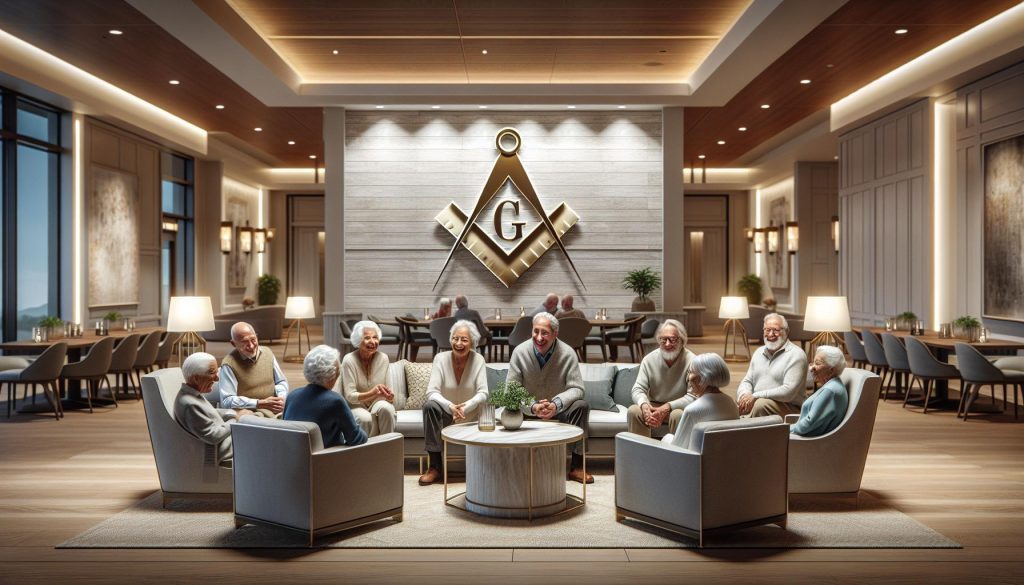
Many Freemasons enjoy a sense of community and support, but do they benefit from free retirement homes? This intriguing question touches upon the broader topic of member benefits that Freemasons can access, including housing assistance programs. As many face the challenge of finding secure and affordable living arrangements in their later years, understanding what options are available can provide hope and clarity. In this article, we will explore whether Freemasons receive free retirement homes, the specific benefits offered to members, and how these programs can help ease the transition into retirement living. Join us as we uncover the valuable resources available to Freemasons and their families, ensuring informed decisions can be made for a stable future.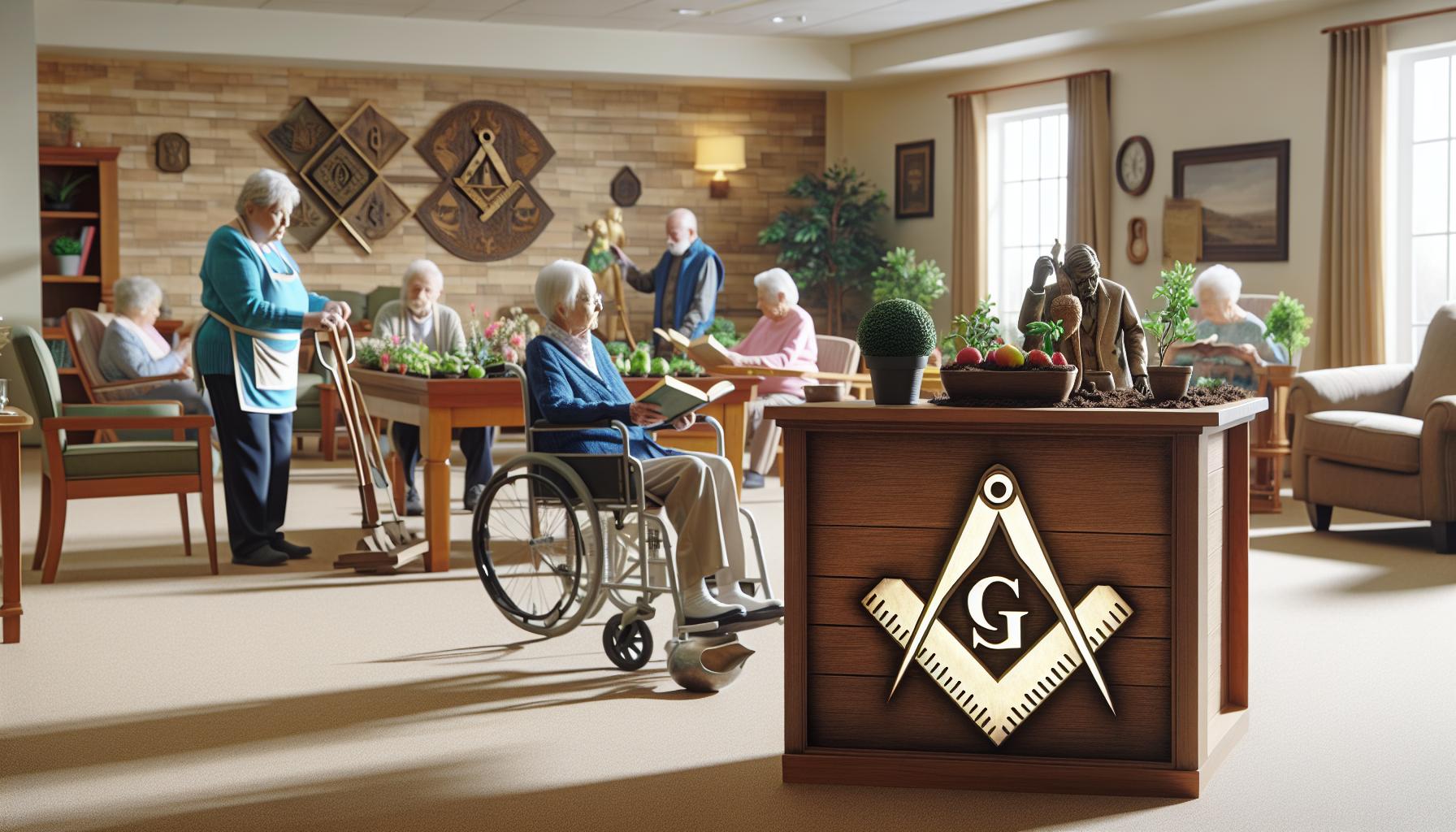
Do Freemasons Provide Retirement Home Benefits?
Freemasonry provides a unique set of retirement benefits that can significantly assist aging members. For those who have dedicated years to the fraternity, the concept of social support extends into later life through various retirement housing options. While Freemasons do not offer “free” retirement homes universally, many jurisdictions have established facilities that cater specifically to Masons and their families, often at reduced costs or with financial assistance based on need.
Benefits can vary greatly depending on the region and the local Masonic Lodge’s resources. Some lodges maintain their retirement homes, where members can live in communities designed with their needs in mind. These facilities often offer not just housing but also a network of support, including social activities and healthcare services tailored to seniors. Conversations with lodge members about their experiences often reveal that these homes foster a strong sense of community, helping members maintain the valued relationships formed during their Masonic journeys.
To access these retirement resources, members typically need to consult their local lodge or regional Grand Lodge. Many organizations provide informational sessions and guidance on how to apply for housing, outlining eligibility requirements. Checklists that clarify required documentation and income guidelines are also useful for prospective applicants, ensuring a smoother transition into these communities. Thus, while not every Mason may receive free housing, various programs aim to support members through affordable living options, proving their commitment to caring for those who have dedicated themselves to the fraternity over the years.
Understanding Freemason Membership Perks
Freemasonry offers its members a variety of benefits that extend beyond traditional fraternal activities, especially as they transition into retirement. One of the key advantages is the network of support that exists within the Masonic community. Many Masons find comfort and security in knowing that their fraternity values not just their contributions but also their well-being as they age. This collective spirit often manifests in resources aimed at assisting members, particularly when it comes to housing and care.
Members of the Freemason community can access retirement homes designed specifically for them and their families. These homes typically prioritize affordability and supportive living environments tailored to the needs of seniors. For instance, some lodges run their own retirement facilities, where residents can enjoy a blend of independence and community involvement. These residences often feature amenities that foster social interaction and provide essential services, such as wellness programs and activities designed to promote both physical and mental health.
To fully leverage these benefits, it’s crucial for members to understand how to engage with their local lodges. Most lodges provide resources and information on available retirement options, eligibility criteria, and application processes. Members are encouraged to reach out directly to their lodge representatives or regional Grand Lodge to find out about the specific benefits available in their area. This proactive approach allows members to take full advantage of the fraternal support system, ensuring that they have access to the care and housing that reflects the values of Freemasonry.
In summary, the perks of Freemasonry include not only a deep sense of belonging and brotherhood but also vital resources that cater to the specific needs of aging members. By tapping into these offerings, Masons can find a supportive community that enables them to thrive even in their later years, embodying the fraternity’s underlying principles of care, respect, and mutual assistance.
Who Qualifies for Freemason Retirement Homes?
To qualify for retirement homes affiliated with the Freemason community, potential residents typically need to meet certain eligibility criteria that emphasize their connection to the Masonic fraternity. Generally, membership is essential; one of the fundamental requirements is that the individual must be a recognized Master Mason, which includes being in good standing with their lodge. This requirement is built upon the foundation of brotherhood and shared values that Freemasonry promotes.
In addition to being a member, many retirement facilities may also take into consideration age and health status. For instance, senior citizens, often defined as individuals aged 55 and older, are usually prioritized, although younger members may also qualify depending on individual circumstances and the specific lodge’s policies. Furthermore, applicants often need to demonstrate a need for supportive services due to various health issues or limitations that could affect their daily living capabilities.
Another crucial aspect is financial requirements. While Freemason retirement homes are designed to be affordable, many facilities assess the financial situation of applicants to ensure that they can comfortably cover living expenses. This may include asking for documentation of income and assets, though the specifics can vary significantly. Some lodges offer financial aid or sliding scale fees based on income, which can help lower the burden for those on fixed incomes.
Lastly, emotional and social factors are increasingly recognized in determining eligibility. Many Masonic homes strive to create a supportive community atmosphere, so potential residents who actively participate in lodge activities and demonstrate a commitment to Masonic values may see a more favorable reception during the application process. Engaging with local lodges and expressing interest in community activities can not only help in meeting the application qualifications but also enhance the overall experience when transitioning to retirement living in these specialized homes.
Overall, navigating the qualification process for Freemason retirement homes involves understanding and fulfilling these membership, age, health, and financial criteria, along with demonstrating a commitment to the Masonic fraternity that enriches the lives of its members.
Types of Retirement Housing Available to Members
Finding the right retirement housing can be a daunting task, especially for those looking for options specifically connected to the Freemasonry community. Freemasonry offers a spectrum of retirement housing arrangements designed to cater to the diverse needs of its members, often fostering a supportive environment that upholds the fraternity’s principles of brotherhood and community care.
Types of Retirement Housing Options
Freemason retirement facilities typically fall into a few distinct categories, each providing different levels of care and community engagement:
- Independent Living: These communities are ideal for active seniors who desire a maintenance-free lifestyle while having access to social activities and amenities. Residents enjoy private apartments or cottages and are encouraged to participate in community events organized by the lodge.
- Assisted Living: For members who need help with daily activities yet wish to maintain a level of independence, assisted living options offer personalized care. Services may include assistance with bathing, dressing, and medication management, along with meals and recreation.
- Nursing Care Facilities: This option is for those who require around-the-clock medical supervision. These communities provide comprehensive care for members with chronic health conditions, ensuring their medical needs are met along with comfort and companionship.
- Memory Care Units: Specially designed for those suffering from Alzheimer’s or other forms of dementia, these units focus on providing a secure environment where residents can thrive despite their cognitive challenges.
Each type of retirement housing available through the Freemason network aims to nurture not just physical well-being but also social connections and a sense of belonging among members.
Community Engagement and Support
Beyond the physical accommodations, Freemason retirement communities emphasize the importance of community participation. Activities often revolve around Masonic traditions and values, providing opportunities for members to bond over shared interests. This not only enriches residents’ lives but also aids in easing the transition into retirement living. For many, engaging with the brotherhood can be a source of emotional support and friendship, alleviating feelings of loneliness that can often accompany aging.
Understanding the types of retirement housing available to Masonic members can empower individuals and families to make informed decisions about their living arrangements. With a clear grasp of what each option offers, potential residents can find a community that fits their lifestyle and needs.
How to Access Freemason Retirement Resources
Navigating the pathway to accessing Freemason retirement resources can be a seamless experience when guided by the right information. To begin, Freemason members should first connect with their local lodge or Masonic organization. Most lodges maintain up-to-date information about available retirement resources, including housing options, financial aid, and community services. Engaging with Lodge officers or the members’ support staff is crucial; they can provide personalized assistance and direct members to relevant programs.
One effective step is to request a pamphlet or brochure outlining retirement benefits from your Masonic lodge. These materials often include details about specific retirement homes, eligibility criteria, and contacts for further inquiries. Additionally, many states have Masonic retirement communities linked through regional Grand Lodges, which can also be a valuable resource. Websites of these organizations typically feature sections dedicated to member benefits that outline retirement options comprehensively.
To gain access to financial support, it’s essential for members to familiarize themselves with the application process. Most retirement homes require an application that includes financial disclosure, a background check, and a personal interview. Members should prepare necessary documents, such as proof of Masonic affiliation, financial statements, and medical records if applicable. It’s also beneficial to explore any assistance programs that may mitigate costs, such as state or federal aid initiatives aimed at seniors.
Furthermore, attending Masonic events or meetings can provide invaluable networking opportunities, where members can learn from peers who have successfully accessed retirement resources. Sharing experiences and insights can often illuminate hidden opportunities or lesser-known benefits that may enhance one’s choices in retirement living.
In summary, engaging actively with the Masonic community, preparing the necessary documentation, and seeking guidance from lodge officials are vital steps for members looking to access retirement housing resources effectively.
Comparing Freemason Homes to Other Senior Living Options
Comparing Freemason retirement communities with other senior living options can provide valuable insights for members and their families navigating this significant decision. Freemason homes, often designed with a focus on community and camaraderie, typically offer a unique atmosphere that melds fraternal values with essential care services. In comparison, other senior living arrangements, such as independent living, assisted living, and nursing homes, vary widely in structure, services, and costs.
Freemason homes often prioritize a sense of brotherhood and shared values, providing not just housing but also meaningful activities, mentorship, and support rooted in Masonic traditions. Residents can participate in various social events, fostering a close-knit community that is sometimes absent in more commercial options. In contrast, many independent living facilities focus on providing amenities like fitness centers, swimming pools, and recreational activities, which cater to a wider audience but may lack the specific social bonds formed in a Masonic setting.
Assisted living facilities offer varying degrees of personal care, catering to seniors who require help with daily tasks. While these homes provide professional staff and healthcare services, the personal touch and shared understanding of Freemason homes might resonate more profoundly with those who value the Masonic philosophy. Nursing homes provide comprehensive medical care, yet they can often feel institutional, which stands in stark contrast to the warm and welcoming atmosphere typically fostered by Freemason communities.
When considering costs, Freemason retirement homes may provide competitive rates or financial assistance specifically for members, which can make them more accessible than high-end assisted living facilities. Many Freemason homes also have established financial support programs designed to help members who may struggle with retirement expenses, such as sliding scale fees or subsidized housing options. In contrast, while some senior living options offer state or federal support initiatives, they often cater to a broader population, potentially resulting in longer waiting lists and stricter admission criteria.
In summary, while Freemason retirement homes and other senior living options each have their unique offerings, the fraternal support and community focus of Masonic homes often create a more personalized and engaging environment for their residents. Exploring these differences and understanding personal priorities are crucial steps toward making an informed decision about senior living arrangements.
Freemason Financial Support: What to Expect
Many Freemasons find themselves wondering how retirement living is financed within their community. While it’s not accurate to say Freemasons receive “free” retirement homes, there are various forms of financial support and assistance available to help members manage housing costs during their senior years. Understanding these options can be crucial in ensuring a comfortable and secure living environment for those who have dedicated substantial time and commitment to the Masonic order.
Freemason retirement facilities often have financial support programs tailored specifically for members, which may include sliding scale fees based on income or subsidized housing options. This means that the cost of living in a Freemason home can be adjusted according to individual financial situations, making it more accessible for those who may be on fixed incomes or facing financial hardships. Members may also benefit from the collective contributions of their local lodges, which sometimes offer additional programs aimed at supporting seniors.
It’s essential for potential residents to understand eligibility criteria for these financial assistance programs, which can vary significantly from one lodge to another. Here are some steps to follow to navigate these options effectively:
- Evaluate Your Financial Situation: Assess your income, savings, and expenses to determine what type of support you might need.
- Contact Local Lodges: Reach out to your local Freemason lodge to inquire about specific financial assistance programs available to members.
- Review Application Processes: Each program may have different application requirements. Ensure you have the necessary documentation ready, such as proof of income and membership history.
- Explore Additional Resources: Consider state or federal programs that may also assist in covering housing costs, as many senior living arrangements qualify for these additional supports.
In addition to these tailored programs, some retirees find value in shared living arrangements with fellow members, fostering a sense of community while reducing individual living costs. Comparing these Masonic-specific options with general forms of assisted living can further illuminate the financial benefits available to Freemasons, as many secular programs require more stringent financial assessments and may have longer waiting lists.
Understanding the available financial support can empower Freemason members to make informed decisions about their retirement housing, ensuring they maintain the dignity, community, and fraternal support that they value throughout their lives.
Navigating Application Processes for Retirement Homes
Navigating the application process for retirement homes affiliated with Freemasonry can initially seem daunting, but understanding the steps can streamline your journey to finding a suitable living arrangement. Freemason retirement facilities often have differing requirements based on location and the lodge’s specific programs, making it essential to approach this process with clarity and preparedness.
Start by evaluating your personal circumstances. Assess your financial situation, including income, savings, and expected expenses. This self-assessment is critical, as it will help you identify the level of support you might require. Many Freemason homes operate on a sliding scale fee system that adjusts based on financial need, so knowing your financial parameters will assist in discussions with lodge representatives.
Once you have a clear understanding of your needs, reach out to local lodges. Initiate contact by visiting their websites or calling them directly to inquire about available retirement housing options and any financial assistance programs they may offer. It’s beneficial to prepare a list of questions to ensure you cover all necessary topics, including specific eligibility criteria, available types of accommodations, and the degree of financial assistance that might be available.
Collecting the necessary documentation is a crucial step in the application process. Most programs will require proof of Freemason membership, financial statements, and, in some cases, documentation like tax returns or income verification. Gathering these documents in advance can prevent delays in the application process. Additionally, some lodges offer online platforms where you can fill out forms or submit documents, making the process more accessible.
Consider creating a timeline for your application to stay organized. It can be helpful to outline deadlines for documentation submissions, interviews, and potential move-in dates. Each lodge may have different timelines associated with their review processes, so knowing when you can expect to receive updates on your application will alleviate anxiety.
Key Steps to Navigate the Application Process
- Evaluate Your Financial Situation: Understand your income and expenses to identify support needs.
- Contact Local Lodges: Inquire about retirement options and financial assistance programs.
- Gather Necessary Documentation: Prepare membership proof, financial statements, and personal identification.
- Create an Application Timeline: Organize dates for submissions and follow-ups to manage expectations better.
By following these steps, you will be better prepared to navigate the often complex application process for Freemason retirement homes, ultimately finding a living situation that suits your needs and maintains the sense of community that is fundamental to Freemasonry.
Regional Availability of Freemason Retirement Facilities
Freemason retirement facilities are spread across various regions, providing essential services to members seeking supportive living environments. This availability is often influenced by the presence of established lodges and the local community’s engagement with Freemasonry. Each region may offer a different array of retirement housing options, so understanding where these facilities are located can be crucial for prospective residents.
In general, Freemason homes are more prominent in areas with a strong historical presence of Freemasonry. For instance, states like Pennsylvania, Texas, and California frequently have dedicated retirement homes due to their higher concentration of lodges. Members often take advantage of regional homes that not only provide accommodation but also foster a strong sense of community among residents, many of whom share similar values and life experiences rooted in Freemasonry.
It’s beneficial for potential residents to directly connect with their local lodge or visit the Grand Lodge website for their state to gather information on available facilities. Most lodges maintain lists of affiliated retirement homes, including details on the type of care provided, amenities, and application processes. If a lodge in your area does not have retirement facilities, they may have connections or can recommend nearby options that align with Freemason values.
Navigating the landscape of Freemason retirement homes can be simplified by taking the following steps:
- Research Local Lodges: Check websites or contact representatives for information on affiliated facilities.
- Understand Regional Programs: Some areas may have unique programs or financial assistance tailored to local members.
- Attend Lodge Meetings: Engaging with your lodge can provide insights and updates on retirement housing options.
By actively exploring these avenues, Freemason members can better access the retirement homes available in their region, granting them a supportive environment conducive to their needs as they transition into this new chapter of life.
Real Stories: Experiences of Freemason Members
Many Freemason members have found comfort and assurance by utilizing the retirement resources provided through their lodges. For instance, John, a retired teacher from Texas, moved into a Freemason-controlled retirement community after realizing he could no longer manage his home alone. He expressed how the community not only catered to his physical needs but also emphasized the shared values and bonds among residents. “It’s like being part of a family that understands and respects each other,” John shared. Such sentiments are echoed by various members who appreciate not only the financial aspects of residing in these homes but also the deep-rooted camaraderie that Freemasonry fosters.
Another member, Helen, recounts her experience transitioning from a solitary living situation into a lively Freemason retirement home in California. Here, her social life flourished through organized activities such as game nights, book clubs, and community service projects, which were integral to her settling in comfortably. “I thought I was coming here just for a place to live, but I found a purpose again,” Helen remarked, highlighting how the supportive environment encouraged her to reconnect with her passions and the broader community.
These personal stories illustrate that Freemason retirement homes are more than mere housing; they serve as nurturing enclaves where members continue their lifelong journey of mutual support and fraternity. Prospective residents are encouraged to seek out their local lodges to learn about available resources, as well as the unique opportunities presented within their communities. Engaging with fellow members and attending lodge events can serve as critical steps towards finding a retirement solution that aligns with one’s values and life experiences, ensuring that this new chapter is filled with optimism and connection.
Myths vs. Facts about Freemasons and Retirement Homes
Many people hold misconceptions about Freemasons and the benefits they offer, particularly regarding retirement housing. The stereotypical image of secretive gatherings and exclusive clubs often overshadows the real support and community Freemasonry provides. It’s essential to disentangle myths from facts, especially for those considering their options for retirement living.
One prevalent myth is that Freemasons offer free retirement homes to their members. In reality, while many Masonic organizations provide quality housing options for their members, these homes are not typically free of charge. Instead, they may offer reduced rates or special financial assistance programs that can help elderly members manage their living expenses. For instance, they might provide support services aimed at ensuring that members can live comfortably and affordably during their retirement years.
Another common misconception is that only long-time or highly ranked members can access these retirement facilities. In fact, eligibility can vary, and many Masonic homes welcome individuals regardless of their length of membership or degree level. Typically, a commitment to the principles of Freemasonry and good standing within the organization is what counts. It is advisable for individuals interested in these resources to contact their local lodges to learn more about specific qualifications and the application process.
For those worried about the communal aspect of living in a Freemason retirement home, it’s important to know that these facilities foster community engagement and social activities. Unlike the notion of isolated living, many residents find their social lives enriched through organized events, fostering friendships, and shared experiences rooted in Masonic values. This supportive environment not only addresses physical needs but also promotes emotional well-being through companionship and shared purpose.
In summary, understanding the actual offerings and eligibility requirements of Freemason retirement homes can help dispel the myths surrounding them. By seeking accurate information and connecting with local lodges, potential residents can ensure they make informed choices about their retirement living arrangements.
Frequently Asked Questions
Q: Do Freemasons offer retirement homes for their members?
A: Yes, Freemasons do provide retirement homes for their members, although they may not be entirely free. Members typically have access to various housing options at subsidized rates. For more detailed information, check the section on Types of Retirement Housing Available to Members in the main article.
Q: What are the eligibility requirements for Freemason retirement homes?
A: To qualify for Freemason retirement homes, individuals generally need to be a member of a recognized Masonic lodge and meet specific age and financial criteria. For a comprehensive overview of eligibility, refer to the Who Qualifies for Freemason Retirement Homes? section.
Q: How can I apply for a Freemason retirement home?
A: You can apply for a Freemason retirement home by submitting an application through your local lodge or the Grand Lodge. Start by reviewing the Navigating Application Processes for Retirement Homes section in the main article for detailed application steps.
Q: Are Freemason retirement homes available in all regions?
A: Freemason retirement homes vary by region, with some areas having multiple facilities while others may have none. Check the Regional Availability of Freemason Retirement Facilities section for more specific information about your area.
Q: What amenities do Freemason retirement homes typically offer?
A: Amenities at Freemason retirement homes can include meal services, recreational activities, and healthcare options. To learn about what you can expect, see the Types of Retirement Housing Available to Members for further details.
Q: Can non-Masons access Freemason retirement homes?
A: Generally, Freemason retirement homes are exclusive to members and their spouses. For any exceptions or more detailed conditions, it’s advisable to contact your local lodge directly or refer to the Myths vs. Facts about Freemasons and Retirement Homes section.
Q: Do Freemasons have financial assistance programs for retirement?
A: Yes, Freemasons often have financial assistance programs that can help support members in need. For specifics on the types of financial support available, please consult the Freemason Financial Support: What to Expect section.
Q: Are there any myths about Freemasons providing retirement homes?
A: There are several misconceptions regarding Freemasons and their retirement homes, including the belief that these homes are completely free or accessible to anyone. Dispelling these myths can be found in the Myths vs. Facts about Freemasons and Retirement Homes section for accurate information.
In Summary
In conclusion, while Freemasons may not receive outright free retirement homes, their membership can provide valuable benefits that enhance their later years, such as community support and networking opportunities. If you’re considering membership or want to learn more about the resources Freemasons offer, now is the time to explore further. Don’t let hesitation hold you back-check out our detailed guides on Freemason benefits and the application process.
For those interested in additional financial support, we recommend looking into related topics like retirement planning strategies and housing assistance programs. Engage with our community: leave a comment or share your thoughts below! By staying informed, you ensure a brighter, more secure future. Ready to take the next step? Sign up for our newsletter for the latest insights and resources tailored just for you.
Get our latest guides, news, and insights highlighted in your Google Search & AI Overviews.