Affordable housing isn’t just a pressing need; it’s a lifeline for countless families across our communities. With rising living costs, many individuals face the daunting challenge of finding a home that fits their budget. This guide, “How To Develop Affordable Housing? Complete Blueprint,” is designed to empower you with practical steps, insights, and resources that simplify the process. Whether you’re a developer, a concerned citizen, or an advocate for housing equity, this blueprint will help you navigate the complex landscape of affordable housing initiatives. By understanding the key components such as financial assistance programs, zoning laws, and community engagement strategies, you can play a crucial role in addressing the housing crisis. Join us as we explore effective solutions that foster secure, accessible homes for all, and make a lasting impact in your community.
Understanding the Need for Affordable Housing Solutions
In recent years, the urgency surrounding affordable housing has intensified, with millions of individuals and families facing the distressing reality of housing insecurity. According to the U.S. Department of Housing and Urban Development, roughly 11 million renters are severely cost-burdened, spending more than half of their income on housing. This statistic underscores not only a crucial economic challenge, but also a moral imperative to address affordable housing solutions. Without access to stable and affordable homes, families are often forced to make difficult choices, like forgoing healthcare or nutritious food, illustrating the intersection between housing stability and overall well-being.
The need for affordable housing extends far beyond simple shelter. It touches on safety, community stability, and economic mobility. For many lower-income households, the lack of affordable options leads to increased homelessness, longer commutes, and burdensome financial stress. Moreover, gentrification in urban areas often displaces long-standing residents, exacerbating social inequalities. The impact of unavailable affordable housing can ripple through entire communities, leading to diminished local economies, increased crime rates, and a decline in public health.
To effectively respond to this crisis, a multi-faceted approach is essential. Effective policies must include a robust mix of public and private investment, innovative zoning laws, and community engagement to ensure that developments meet genuine local needs. By implementing and expanding programs such as Section 8 vouchers, which provide rental assistance to low-income families, or Low-Income Housing Tax Credits, which incentivize the development of affordable rental units, communities can begin to make significant strides towards alleviating housing insecurity. Ultimately, addressing the need for affordable housing solutions is not merely a logistical challenge; it is a profound commitment to enhancing lives and building stronger, equitable communities for everyone.
Key Principles of Affordable Housing Development
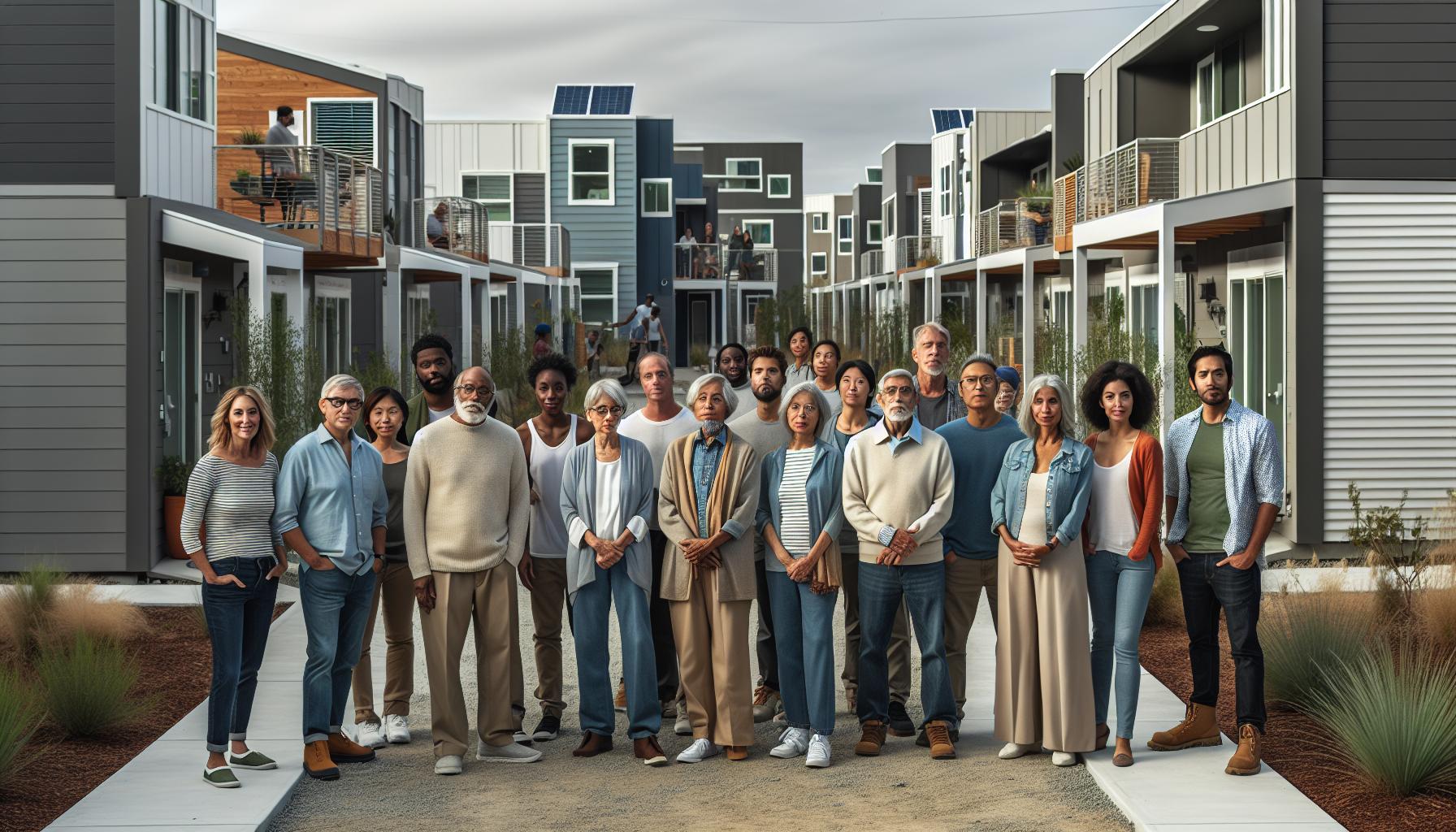
The pursuit of affordable housing development hinges on several core principles that guide effective planning, execution, and sustainability. These principles not only address the immediate need for housing but also foster long-term community stability and resilience. One of the primary tenets is the integration of affordability into the very design of housing projects. This involves utilizing funding mechanisms such as Low-Income Housing Tax Credits (LIHTC) and leveraging Section 8 rental assistance programs to lower the cost barrier for residents. Understanding and navigating these funding sources is crucial for ensuring that developments remain financially viable and accessible to those who need them most.
Another significant principle is community engagement. Successful affordable housing projects are characterized by meaningful involvement from local residents and stakeholders throughout the development process. This engagement ensures that the projects not only meet housing needs but also align with the community’s aspirations and values. Aspects to consider include conducting surveys, holding public forums, and facilitating workshops to gather insights from diverse voices in the community. By incorporating this input, developers can tailor their plans to better reflect local priorities, fostering a sense of ownership and acceptance among future residents.
Sustainability is equally a key principle that encompasses environmental, economic, and social dimensions. Projects should aim for environmentally friendly practices, such as energy-efficient designs and sustainable building materials. These choices can lower utility costs for residents and contribute positively to the environment. For instance, incorporating green spaces or community gardens can enhance both living conditions and community ties, making neighborhoods more livable and inviting. Economic sustainability also involves ensuring that the projects remain affordable over the long term through careful financial planning and management.
In addressing challenges, it’s vital to adapt designs to include features for accessibility and inclusivity. By ensuring that homes are designed to be accessible to individuals with disabilities and that the developments promote inclusivity for all demographics, developers nurture resilient communities that embrace diversity.
By adhering to these principles-financial accessibility, community engagement, sustainability, and inclusivity-developers can create affordable housing solutions that not only provide shelter but also enhance the quality of life in the neighborhoods they serve.
Types of Affordable Housing Models Explained
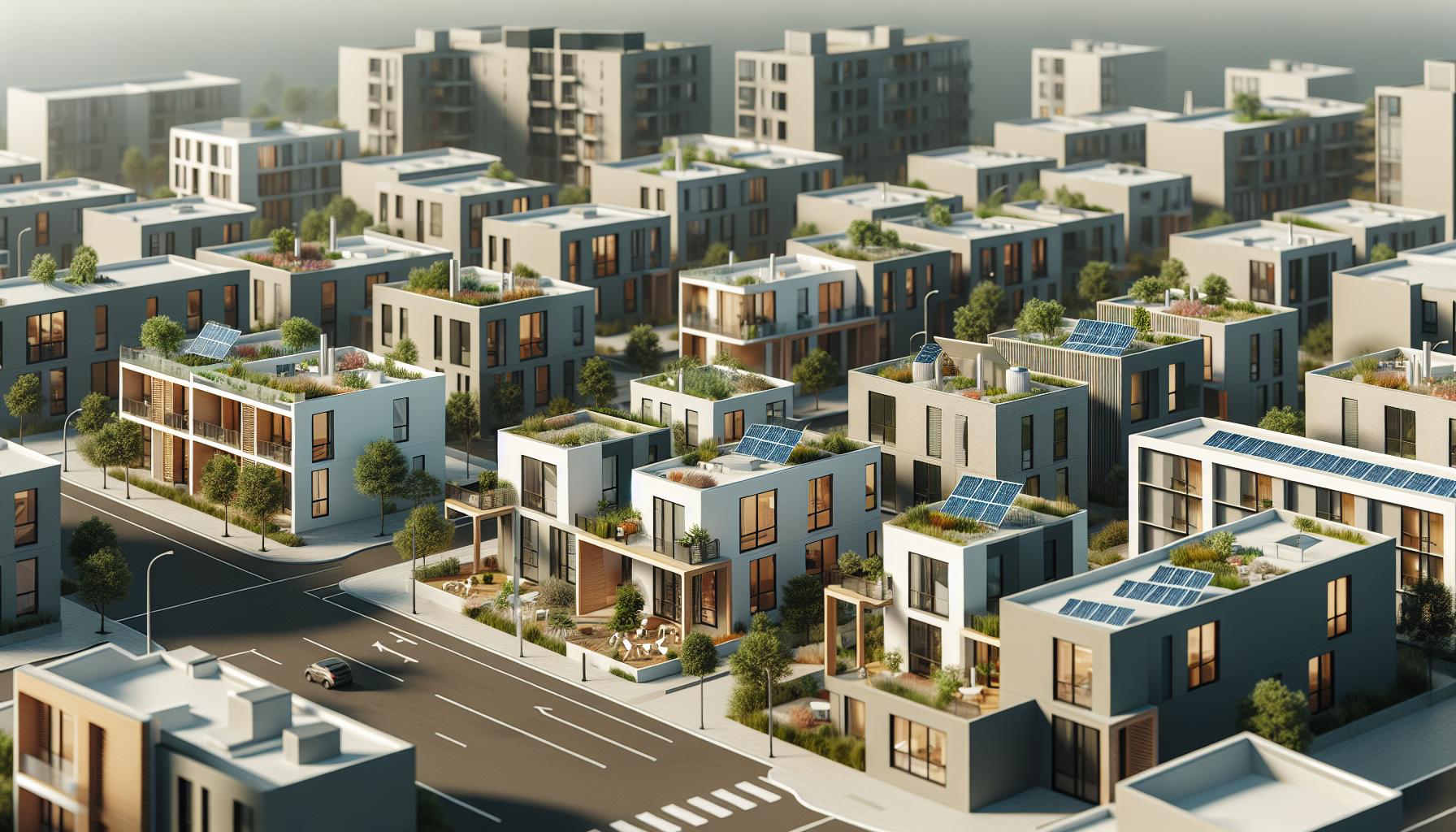
To effectively tackle the pressing issue of affordable housing, it’s essential to understand the various housing models available. Each model offers unique advantages and caters to different segments of the population in need of stable and affordable living conditions. From rental assistance programs to community land trusts, these models reflect the diversity of approaches necessary to address housing insecurity.
Rental Assistance Programs
Rental assistance programs, such as Section 8, provide financial support to low-income families, enabling them to afford housing in the private market. Under this program, the government subsidizes a portion of the rent based on the tenant’s income and local housing costs. Tenants typically pay 30% of their income towards rent, while the remaining amount is covered through a voucher system. This model not only alleviates immediate financial burdens but also allows families the flexibility to choose housing in communities of their preference.
Low-Income Housing Tax Credit (LIHTC)
Another widely recognized model is the Low-Income Housing Tax Credit (LIHTC), which incentivizes private developers to create affordable rental housing. Under this program, developers receive tax credits in exchange for setting aside a portion of their units for low-income tenants. This model has been instrumental in increasing the availability of affordable housing units across the country. As a result, LIHTC developments can be found in a variety of locales, often blending seamlessly into neighborhoods while providing essential housing for families in need.
Community Land Trusts (CLTs)
Community Land Trusts represent a unique approach to affordable homeownership. In this model, a nonprofit organization purchases land and maintains ownership while selling the homes built on it to low- to moderate-income families at below-market prices. This not only keeps homes affordable but also ensures that the property remains affordable for future generations. CLTs empower communities by providing stable housing options while preventing displacement and promoting long-term community investment.
Cooperative Housing
Cooperative housing is another model worth noting, where residents own shares in a cooperative association that owns or manages the property. This system fosters a sense of community and shared responsibilities among inhabitants. By sharing ownership and decision-making, cooperative housing can often offer lower monthly costs compared to traditional rental arrangements, creating a more stable living environment for its members.
Supportive Housing
Lastly, supportive housing integrates affordable units with supportive services tailored to individuals facing challenges such as mental health issues or substance abuse. This model combines stable housing with access to necessary services, thereby addressing both housing insecurity and the specific needs of vulnerable populations. Such holistic approaches play a crucial role in ensuring that residents not only gain housing security but also receive the support they need to thrive.
Understanding these diverse models allows stakeholders to make informed decisions about which approach might best suit their community’s needs. By leveraging different strategies, affordable housing development can create sustainable, welcoming environments for all citizens, paving the way for stronger, more resilient communities.
Step-by-Step Guide to Securing Funding

Securing funding for affordable housing development is a vital yet challenging step in transforming your vision into reality. It requires careful planning, diverse funding sources, and a clear understanding of the financial landscape. To navigate this process effectively, follow these key steps that can help streamline your pursuit of financial resources.
Start by identifying potential funding sources, which can include government grants, private investors, nonprofit organizations, and community development financial institutions (CDFIs). Each source has its own application criteria and expectations. For example, federal programs like the Low-Income Housing Tax Credit (LIHTC) offer significant tax incentives to developers in exchange for affordable project commitments. Research and compile a list of opportunities specific to your project’s needs and location.
Next, prepare a comprehensive funding proposal that clearly articulates your project’s purpose, target audience, and financial projections. Include detailed budgets outlining construction costs, operational expenses, and projected revenue. Use realistic estimates and market data to support your claims. Most funders expect to see how their investment will contribute not just to housing stock, but also to community wellbeing. Emphasizing social impact and sustainability can significantly enhance the appeal of your proposal.
Eligibility Checklist
Creating an eligibility checklist is essential to ensure that you meet all necessary requirements for the different funding sources. Typical criteria might include:
- Demonstrating community need for affordable housing.
- Providing evidence of local partnerships, such as collaborations with nonprofits or government agencies.
- Presenting a solid business plan that includes anticipated cash flow and management strategies.
- Meeting any income thresholds defined by specific funding programs.
Application Steps
Once your proposal is polished, you can move on to submission. Keep the following steps in mind:
- Submit Applications: Ensure each funding application is tailored to the specific guidelines of the potential funder.
- Follow-Up: After submission, actively follow up with funders to address any questions they may have and express your enthusiasm.
- Prepare for Site Visits: Some funders may wish to conduct site visits to better understand your project and its potential impact.
- Address Feedback: Be open to feedback and ready to adjust your proposal as necessary based on discussions with funders.
Here’s a simplified table to compare some common funding sources:
| Funding Source | Type | Eligibility Requirements | Key Benefits |
|---|---|---|---|
| LIHTC | Tax Credit | Low-income housing commitment | Attracts private investment |
| HUD Grants | Grant | Various local needs | Direct funding for projects |
| Community Development Block Grants | Grant | Low-income beneficiaries | Flexible use of funds |
Finally, don’t underestimate the power of building relationships with funders. Networking at community events, attending workshops on affordable housing financing, and connecting with established developers can provide insights and new opportunities. As you create a compelling case for your project, keep in mind that perseverance and adaptability are key attributes for securing the necessary funding in the complex landscape of affordable housing development.
Navigating Zoning Laws and Regulations
Navigating local zoning laws and regulations can often feel like walking through a maze, especially for those looking to develop affordable housing. Zoning laws dictate how land can be used, the types of structures that can be built, and even the density of the housing units. Understanding these regulations is crucial to moving forward with your project, as non-compliance can lead to delays, fines, or even a complete halt to your development plans.
Before initiating your project, start with a thorough review of your local zoning ordinances. These documents outline what’s permissible in specific areas, including residential, commercial, and mixed-use zones. Each zoning category has different requirements, such as minimum lot sizes, building heights, and spacing between structures. It’s essential to identify whether the land you’re considering can accommodate the type of affordable housing you plan to build. Consulting with local planning offices can also provide insights into any recent changes to zoning laws or upcoming revisions that could impact your plans.
Once you understand the existing zoning regulations, you may find the need to apply for variances or special permits. A variance allows you to deviate from the standard zoning requirements, which can be particularly helpful if your proposed development doesn’t precisely align with current laws. Preparing a strong variance application involves presenting evidence of the need for your project, such as community support or data on housing shortages in the area. Here, involving local stakeholders and gathering letters of support can significantly strengthen your case.
Tips for Successful Navigation
To successfully navigate zoning laws, consider these practical steps:
- Engage with Your Community: Attend community meetings and engage with residents to assess their needs and gather support.
- Work with Professionals: Collaborate with urban planners, architects, and lawyers familiar with local zoning to ensure compliance and address potential issues.
- Document Everything: Keep thorough records of all communications, applications, and approvals to facilitate the development process.
- Stay Educated: Follow local government updates for any changes in zoning regulations or policies that could affect your project.
By taking these proactive measures, you can help ensure that your affordable housing development aligns with local regulations and meets community needs. Understanding and navigating the complex landscape of zoning laws can be challenging, but with thorough preparation and community involvement, your project can progress toward fruition, contributing positively to those in need of affordable housing.
Incorporating Community Input and Needs
Involving the community in the development of affordable housing is not just beneficial; it is essential for creating viable, successful spaces that truly meet the needs of the people who will live there. Communities are often the best sources of insight when it comes to understanding housing needs, and leveraging this insight can help ensure that developments are appropriately designed and function well for residents. Engaging with community members early and often throughout the development process helps build trust and fosters a sense of ownership among residents, which can enhance the success of the project from the outset.
To effectively incorporate community input, consider organizing a series of workshops or forums where residents can share their needs, preferences, and concerns regarding the proposed housing developments. These sessions can serve multiple purposes: educating the community about the benefits of affordable housing, collecting valuable opinions, and collaboratively brainstorming ideas that reflect the community’s desires. Utilizing surveys-both online and paper-based-can also widen your reach, allowing you to gather opinions from those unable to attend meetings.
Engaging the Community: Practical Steps
Here are some practical methods to incorporate community input effectively:
- Host Regular Community Meetings: Encourage participation by making meetings accessible. Provide refreshments and consider holding sessions at various times to accommodate different schedules.
- Utilize Social Media: Create community-focused social media groups where residents can discuss ideas and issues. Platforms like Facebook or Nextdoor can help foster communication and provide updates on project progress.
- Work with Local Organizations: Collaborate with neighborhood groups, nonprofits, and local leaders who have established relationships within the community. Their involvement can lend credibility to your efforts and encourage wider participation.
- Feedback Mechanisms: After gathering input, create transparent systems for feedback. Share how community suggestions have been incorporated into the plans or explain why certain ideas may not be feasible.
Taking these steps not only ensures that the voices of the community are heard but also signals a commitment to transparency and collaboration. This approach can help mitigate opposition later in the process, making it easier to navigate any zoning regulations or potential disputes that may arise. Ultimately, when communities feel involved in the process, they are more likely to embrace the changes and support the development, fostering a stronger sense of community among residents.
Sustainable Practices in Affordable Housing
In today’s world, are not merely good to have; they are essential for creating resilient communities that can thrive amid climate change and economic uncertainty. Integrating sustainable methods into affordable housing development not only leads to cost savings over time but also enhances the quality of life for residents. By utilizing energy-efficient designs, renewable resources, and sustainable materials, developers can create homes that are environmentally friendly and financially accessible.
One effective way to implement sustainability is through energy-efficient designs. Using high-quality insulation, energy-efficient windows, and Energy Star appliances can significantly reduce energy consumption and costs. For instance, buildings that meet or exceed LEED (Leadership in Energy and Environmental Design) standards prove to be attractive to residents looking for lower utility bills. Additionally, incorporating renewable energy sources, such as solar panels, can drastically reduce dependency on traditional energy forms, offering long-term savings for both developers and residents.
Another critical aspect is the use of sustainable materials and construction practices. Selecting locally sourced materials minimizes transportation emissions and supports the local economy. Moreover, sustainable building methods, like modular construction, can reduce waste and construction time, leading to quicker availability of housing options for those in need. The use of recycled materials can also be a cost-effective way to achieve LEED certification while maintaining a budget.
Promoting green spaces and community gardens in affordable housing projects fosters a sense of community and encourages healthier lifestyles. Access to these areas not only beautifies the environment but also enhances residents’ mental well-being. Additionally, it’s vital to include features like rainwater harvesting systems and permeable pavement to manage stormwater effectively, thus reducing the environmental impact of the development.
Embracing these sustainable practices not only fulfills immediate housing needs but also contributes to building a healthier planet. As communities increasingly recognize the importance of sustainable living, affordable housing projects that prioritize these practices are not only more likely to gain support but also stand to inspire similar initiatives across regions. Incorporating sustainability into affordable housing creates a pathway toward a more equitable and responsible future for all.
Designing for Accessibility and Inclusivity
Creating affordable housing that caters to everyone, including individuals with disabilities and diverse backgrounds, is not just an ethical responsibility; it also enhances community cohesion and enriches the lives of residents. When considering accessibility and inclusivity in housing design, it’s essential to recognize that true affordability goes beyond cost. Accessible housing enables everyone to thrive, creating a supportive environment where all residents can feel at home.
One foundational principle of accessibility is the incorporation of universal design features. Universal design means creating spaces that are usable for all people, regardless of their age, ability, or status. This includes features such as step-free entrances, wider doorways for wheelchair access, and adjustable kitchen counters. For example, installing lever handles instead of traditional doorknobs can make it easier for individuals with dexterity issues to open doors. Furthermore, consider including accessibility features in bathrooms, such as grab bars or curbless showers, which not only help those with disabilities but also make life easier for parents with young children or older adults.
Inclusive design also encompasses cultural sensitivity, ensuring that housing developments reflect the diverse needs and identities of their residents. Developers should engage with community members during the design process to gather insights on their values and preferences. For instance, incorporating communal spaces can foster interaction among residents from different backgrounds, while outdoor areas may need to cater to various cultural practices. Developers can conduct surveys or focus groups to determine what amenities residents find essential.
Alongside thoughtful design, it’s crucial to provide clear information about available resources and support services for residents who may need additional assistance. Creating partnerships with local organizations can facilitate programs that help residents understand their rights and the features in their homes that promote accessibility. For example, hosting workshops on navigating housing assistance programs, like Section 8, can empower residents to make informed decisions.
By prioritizing accessibility and inclusivity in affordable housing, developers can significantly impact the community. Not only does this approach lead to enhanced quality of life for residents, but it also fosters a sense of belonging and equality. Ultimately, inclusive design transforms affordable housing from merely a shelter into a vibrant home for everyone.
Partnerships: Collaborating with Nonprofits and Government
Collaboration is the cornerstone of effective affordable housing development. By partnering with nonprofits and government entities, developers can access vital resources, insights, and support systems that enhance the sustainability and impact of their projects. The landscape of affordable housing is complex, and these partnerships are essential not just for funding but also for community engagement and navigating regulatory frameworks. For instance, nonprofits often have deep roots in the communities they serve, understanding the unique needs and challenges that residents face. This insight can help shape housing developments that are truly beneficial and tailored to those who will live there.
Identifying Key Partners
Successful collaboration begins with identifying the right partners. Consider reaching out to local housing authorities, nonprofit organizations focused on housing, and community development corporations (CDCs). These entities can offer resources like funding programs, technical expertise, and local knowledge, which are invaluable. For example, in many regions, nonprofits work with government agencies to administer assistance programs like Section 8, which provide housing vouchers to low-income families. Familiarizing yourself with these partners can open doors to potential grant opportunities and streamlined processes for securing funding.
| Partner Type | Potential Contributions |
|---|---|
| Nonprofits | Community engagement, funding applications, resident services |
| Government Agencies | Regulatory guidance, zoning approvals, public funding |
| Local Businesses | In-kind contributions, job training programs, financial support |
Navigating Funding Opportunities
When it comes to securing funding, partnerships can be particularly advantageous. Many housing developments are funded through a mix of public and private financing. For example, tax credit programs, such as the Low-Income Housing Tax Credit (LIHTC), offer significant tax incentives for the construction and rehabilitation of affordable rental housing. Nonprofits often have experience navigating these programs and can aid developers in understanding eligibility requirements and application processes. Additionally, pooling resources with nonprofits or community organizations can amplify your chances of receiving funding, as collaborative projects often demonstrate broader community impact.
Moreover, be proactive about engaging with local government officials and agencies. They can provide not only financial incentives but also critical insight into local housing needs and priorities. Regular workshops, community meetings, and consultation sessions can foster open communication channels that ensure projects meet local needs effectively.
By embracing collaboration with nonprofits and government entities, developers not only enhance the feasibility of their projects but also create a framework for sustainable community development. These partnerships can lead to more inclusive, well-designed housing solutions that positively affect residents’ lives, turning housing insecurity into stability and opportunity.
Success Stories: Case Studies in Affordable Housing
Transformative stories of successful affordable housing projects showcase not only innovative design and funding but also the power of community commitment. One striking example is the Hope VI Program, which revitalized distressed public housing across the United States. By converting outdated public housing into mixed-income communities, the program not only improved living conditions but also fostered greater social cohesion. Residents benefitted not just from new homes, but also from access to employment training and community services, helping them achieve a sense of stability and empowerment.
Another inspiring case comes from The Eden Housing Project in California, where a focus on sustainability and inclusivity created a thriving community. Eden Housing partnered with local governments and nonprofits to develop affordable rental units that cater specifically to low-income families, seniors, and individuals with disabilities. With features like communal gardens and accessibility-enhanced spaces, this project demonstrates that affordable housing can embrace sustainability while fostering community interaction. The success of Eden Housing has inspired similar initiatives across the state, illustrating how thoughtful design can create supportive environments for diverse demographics.
The story of New York City’s Housing Development Corporation (HDC) highlights the collaboration between public and private sectors in creating affordable housing. The HDC launched projects that utilized tax-exempt bonds and low-income housing tax credits to finance developments. By focusing on areas with high need, the HDC has dramatically increased the availability of affordable units, proving that strategic partnerships can effectively address housing shortages. Their commitment to transparency and resident engagement is another pillar of their success, ensuring that developments reflect the communities they serve.
These success stories underline the essential combination of community involvement, strategic partnerships, and innovative financing in creating affordable housing solutions that not only provide shelter but also promote overall well-being and stability for residents. As developers and policymakers reflect on these examples, the path forward becomes clearer: affordable housing is not just a necessity, it is a vital component of healthy, thriving communities.
Common Challenges and How to Overcome Them
Affordable housing development is fraught with challenges that can discourage even the most determined advocates. Numerous communities across the country struggle with the dichotomy of rising housing costs and stagnant wages, which can lead to dire housing insecurity. The creation of affordable housing often faces opposition from local residents concerned about property values or changes to community character. However, these obstacles can be navigated with strategic approaches that engage stakeholders, utilize funding resources efficiently, and prioritize community needs.
Understanding community concerns is critical. Engaging local residents early in the planning process can foster support for projects. Simple forums and surveys facilitate dialogue, allowing residents to express their thoughts and preferences. This input can help shape affordable housing designs that reflect community values and alleviate fears about potential negative impacts. Additionally, educating the public on the benefits of affordable housing-such as economic diversity and increased local spending-can turn skeptics into champions.
Funding is another common hurdle, as the financial landscape for affordable housing can be complex. Developers must familiarize themselves with various funding sources, including federal programs like Low-Income Housing Tax Credits (LIHTC) and local grants. A practical step developers can take is to create a funding checklist to ensure all potential funding opportunities are explored. For instance, the U.S. Department of Housing and Urban Development (HUD) provides programs that support housing development and renovation, and tapping into these may provide necessary financial backing.
Zoning laws and regulations frequently present another significant challenge. Local zoning ordinances may not allow for high-density or mixed-use development, which can limit affordable housing options. Developers should collaborate with local government entities to advocate for zoning changes that promote inclusive housing development. This proactive approach not only aids compliance but demonstrates a commitment to community development, resulting in stronger alliances with local policymakers.
Incorporating design elements that promote accessibility and sustainability can also present both challenges and opportunities. Projects that include energy-efficient features can reduce long-term costs for residents, making them more appealing to potential renters or buyers. Providing designs that accommodate individuals with disabilities ensures that affordable housing initiatives serve all community members. By integrating these elements, developers can create more desirable and functional living spaces that meet diverse needs.
Encouraging collaboration with nonprofit organizations can further enhance success rates. Nonprofits often possess experience navigating community needs, funding applications, and compliance issues. Building partnerships with these organizations can provide invaluable resources and expertise that stimulate project success and community benefits.
In summary, while the journey to develop affordable housing is laden with challenges, it is equally filled with opportunities for innovation and community engagement. By prioritizing dialogue with residents, exploring diverse funding avenues, advocating for supportive zoning laws, embracing sustainability, and collaborating with seasoned nonprofits, developers can overcome these barriers. Aim to transform the landscape of affordable housing into a foundation of support that addresses both current needs and future growth.
Future Trends in Affordable Housing Development
As the demand for affordable housing surges, several innovative trends are shaping the future of housing development to better meet the needs of diverse populations. One prominent trend is the increased focus on modular and prefabricated housing. These solutions allow for faster construction times and reduced costs, making them a viable option for creating large-scale affordable housing projects. This approach not only expedites the building process but also minimizes waste and promotes sustainability, as materials are often produced in a controlled factory environment.
Another significant trend is the integration of smart technology in affordable housing. From energy-efficient appliances to smart thermostats, incorporating technology can help reduce utility costs and make living spaces more comfortable for residents. For instance, systems that intelligently manage energy consumption can lead to substantial savings for low-income families, making homes more affordable on a day-to-day basis. By integrating these features, developers can create not just homes, but sustainable living environments that empower residents.
Additionally, the rise of community land trusts (CLTs) is reshaping ownership models for affordable housing. CLTs are nonprofit organizations that acquire land and maintain ownership, allowing homes to be built on it while keeping the cost of land out of the housing equation. This model helps prevent displacement and fosters long-term affordability. As communities face rapid development and rising property values, CLTs serve as a safeguard against gentrification, ensuring that housing remains accessible to low and moderate-income families.
Collaborative Housing and Co-Living
The trend toward collaborative housing and co-living spaces is also gaining traction, particularly among younger generations and those looking for affordable options in urban areas. These models often involve shared amenities, such as kitchens and living areas, which can significantly lower living costs. By fostering a sense of community, these spaces not only make housing more affordable but also enhance social connections, which are vital for personal well-being.
In summary, the future of affordable housing development is marked by innovation and a commitment to community well-being. By embracing modular construction, smart technologies, community land trusts, and collaborative living arrangements, developers can create sustainable, accessible, and inclusive housing solutions that meet the evolving needs of society. Each of these trends offers a pathway toward not only addressing the current housing crisis but also building resilient communities for the future.
Frequently asked questions
Q: What are the essential steps to start an affordable housing project?
A: To start an affordable housing project, first conduct a needs assessment to understand local demand. Then, secure funding through grants, loans, or partnerships. Next, navigate zoning regulations and gather community input to inform your plans. Consider sustainability and accessibility features in the design phase.
Q: How can community engagement benefit affordable housing development?
A: Community engagement enhances affordable housing development by involving residents in decision-making, ensuring that projects align with their needs. This fosters trust and increases the likelihood of project success and acceptance. Utilize surveys and forums to gather input early in the planning process for the best outcomes.
Q: What funding options are available for affordable housing projects?
A: Funding options for affordable housing include government grants, low-interest loans, and tax credit programs. Additionally, organizations can explore private investors, nonprofit partnerships, and crowdfunding platforms. Research local, state, and federal resources to maximize financial support for your project.
Q: What role do zoning laws play in affordable housing development?
A: Zoning laws are crucial as they dictate land use, building densities, and design standards. Understanding and navigating these regulations can help you identify the best locations for your affordable housing project. Engage with local planning departments early to ensure compliance and facilitate smooth approval processes.
Q: How can sustainable practices be integrated into affordable housing?
A: Sustainable practices can be integrated into affordable housing by utilizing energy-efficient materials, implementing green technologies, and designing for water conservation. Consider smart layout designs to maximize natural light and reduce energy costs. This approach not only lowers operational costs but also enhances resident quality of life.
Q: What are potential challenges in developing affordable housing?
A: Common challenges include funding constraints, complex zoning laws, and community opposition. To overcome these, build strong relationships with local stakeholders and actively seek collaborative solutions. Conduct thorough market research to anticipate barriers and adapt your strategy accordingly.
Q: How to ensure affordability in housing designs?
A: To ensure designs remain affordable, focus on cost-effective building materials, efficient layouts, and scalable solutions. Monitor construction expenses closely and engage value engineering practices to minimize costs. Collaborating with experienced architects can also help maintain a balance between quality and affordability.
Q: What future trends are shaping affordable housing development?
A: Future trends in affordable housing include the increasing use of modular construction, a growing emphasis on sustainability, and the integration of technology for smart homes. Additionally, partnerships with nonprofits and government bodies are becoming essential for securing funding and resources. Staying ahead of these trends will enhance project relevance and sustainability.
Concluding Remarks
Thank you for exploring our comprehensive guide on developing affordable housing. By understanding the essential steps and strategies discussed, you can make a meaningful impact on your community and help provide essential homes for those in need. Don’t wait-now is the perfect time to take action! Whether you’re considering a project, looking for funding options, or seeking partnerships, our resources are here to support you every step of the way.
For further insights, check out our articles on accessing tax credit programs and understanding Section 8 housing, which can be invaluable as you navigate funding and assistance options. If you have any questions or comments, we invite you to join the conversation below. Together, we can work towards innovative solutions that ensure everyone has a place to call home. Stay informed and empowered-subscribe to our newsletter for the latest updates and tips on affordable housing initiatives!