Affordable housing is not just a community need; it’s a crucial foundation for thriving neighborhoods. With over 10 million renters facing severe cost burdens, the demand for thoughtful, accessible housing design has never been more urgent. This guide dives into effective strategies to create affordable housing that resonates with residents and enhances local identity. Imagine a neighborhood where every family has a stable, safe place to call home. By prioritizing design that reflects community values, we can foster environments where individuals and families flourish, making housing affordability a stepping stone to sustainable growth. Join us as we explore practical, empathetic solutions that turn this vision into reality, fueling your desire to uplift communities and ensure everyone enjoys the dignity of a well-designed home.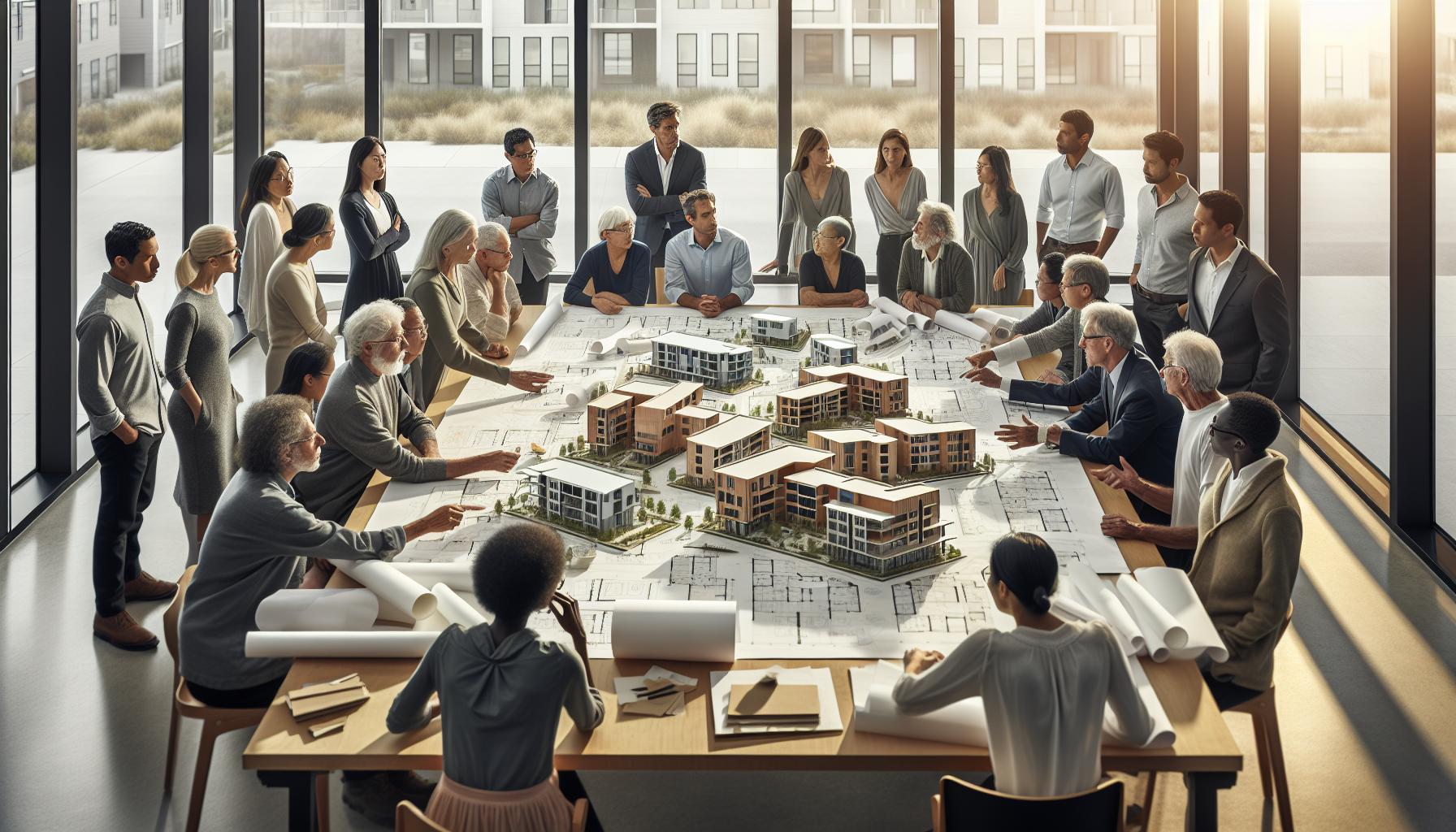
Designing Affordable Housing with Community Input
Designing affordable housing that resonates with the community is not just about bricks and mortar; it’s about creating spaces that people truly feel at home in. An effective way to achieve this is by actively involving community members in the design process. Engaging locals early ensures that the development not only meets their economic needs but also aligns with their cultural, social, and aesthetic preferences.
To begin integrating community input into affordable housing projects, developers can initiate workshops and forums where residents can voice their visions and concerns. For instance, gathering feedback through surveys or participatory design sessions allows architects and planners to better understand what aspects of housing are most valued-be it communal spaces, privacy, or access to public amenities. The aim should be to foster collaboration between all stakeholders, including local governments, residents, and non-profit organizations, to co-create designs that reflect the community’s ethos.
Moreover, successful examples of community-informed housing can be seen in projects that prioritize mixed-use spaces. This approach not only enhances the living experience but also encourages social interactions and economic development within the neighborhood. Including features like shared gardens, playgrounds, and facilities for local businesses can transform affordable housing into thriving, cohesive communities. It becomes crucial to ensure that the aesthetics of these developments do not detract from the existing neighborhood character but rather enhance it, building a sense of pride and ownership among residents.
As developers seek to integrate community input into their affordable housing designs, it’s essential to maintain transparency throughout the process. Keep stakeholders informed about how their feedback is incorporated, celebrate milestones, and recognize the contributions of community members. Through meaningful engagement, affordable housing can transform from mere shelter into beloved community anchors that foster connection, resilience, and long-term viability.
Understanding the Importance of Community Love
Creating spaces where people feel a genuine connection is crucial for affordable housing projects, and this connection often stems from what can be called “community love.” This concept goes beyond mere bricks and mortar; it embodies the cultural, social, and emotional ties that residents have to their environment. When housing is designed with this love in mind, it fosters resilience, stability, and a sense of belonging among residents.
Community love can be nurtured through inclusive design processes that involve residents from the outset. For instance, holding community brainstorming sessions allows residents to express their visions for their neighborhood. These collaborative efforts not only empower locals but also help developers gain insights into crucial aspects such as architectural styles, communal areas, and landscaping that resonate with the community’s identity. By centering residents’ voices, developers can create housing that reflects local traditions and lifestyles, thereby enhancing community pride.
Moreover, integrating features that promote shared experiences can significantly strengthen community bonds. This can include creating green spaces, community centers, and multi-functional public areas where residents can gather, celebrate, and support one another. Such thoughtful design encourages interaction, which is essential for building trust and relationships among neighbors. When affordable housing developments are seen not just as living spaces but as integral parts of the community, they can significantly contribute to the overall wellbeing and cultural richness of the area.
To ensure that the housing designs remain aligned with the community’s evolving needs, ongoing engagement is vital. Developers should commit to transparent communication regarding project updates and decisions influenced by community feedback. This approach not only builds trust but also solidifies residents’ emotional investment in their environment, transforming affordable housing from a simple necessity into a cherished asset within the community.
Identifying Key Features of Beloved Affordable Housing
Creating beloved affordable housing goes beyond just providing shelter; it requires a thoughtful approach that prioritizes the needs and desires of the community. Residents are more likely to embrace and cherish their homes when the design reflects their unique culture and lifestyle. To achieve this, there are several key features that can transform affordable housing into spaces that foster love and belonging.
Inclusive Design is paramount in affordable housing projects. This means actively involving community members in the design process. For example, hosting workshops or focus groups can provide valuable insights into what local residents want in their living spaces. Listening to their preferences regarding layout, building materials, and shared spaces can ensure that the resulting designs acknowledge and celebrate local identity.
Community Spaces also play a critical role in creating connections among residents. Common areas, such as gardens, playgrounds, and multi-purpose rooms, encourage interaction and collaboration. When these spaces are integrated thoughtfully, opportunities for social interactions increase, leading to stronger relationships and community ties. Furthermore, providing amenities like outdoor seating and gathering spots encourages residents to spend time outdoors and engage with their surroundings.
Access to Transportation and Services is another vital feature. Affordable housing should be designed with proximity to public transport, schools, healthcare facilities, and grocery stores in mind. This consideration not only eases daily commuting challenges but also helps establish a vibrant community where residents can thrive. When people can easily access essential services, they are more likely to feel rooted in their neighborhoods.
Lastly, ensuring Safety and Security enhances the sense of belonging in affordable housing. This could involve incorporating sufficient outdoor lighting, secure entry points, and community engagement strategies to promote neighborhood watch programs. When residents feel safe in their environment, they’re more likely to invest emotionally in their community, resulting in a stronger, healthier neighborhood dynamic.
By combining these key features, developers and community planners can create affordable housing that not only meets the needs of residents but also nurtures a deep sense of community love and pride.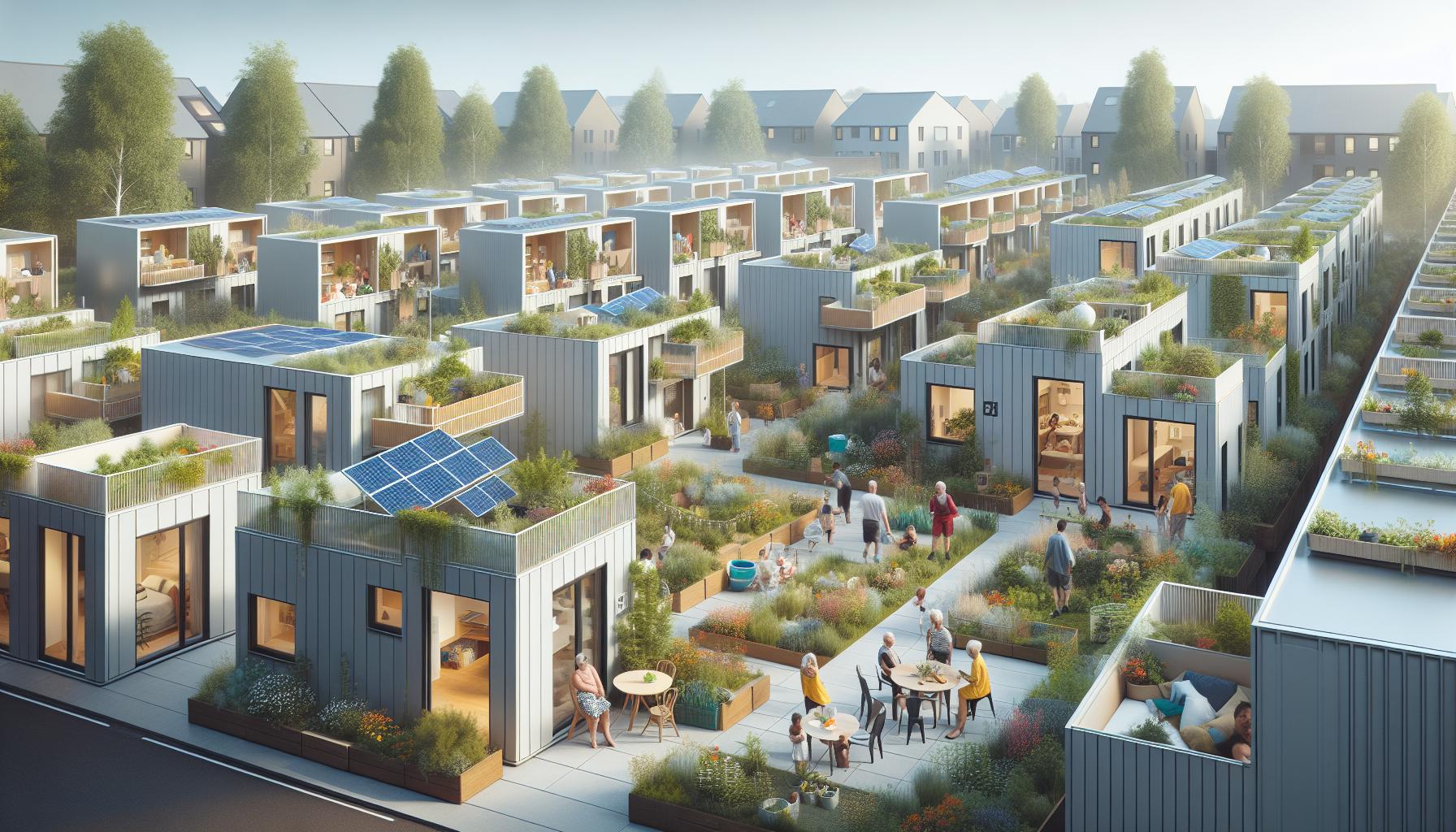
Innovative Design Strategies for Affordable Housing
To create affordable housing that communities truly love, innovative design strategies are essential. These strategies should not only address the financial constraints commonly faced but also consider the distinct needs and values of the community they serve. A captivating approach is to utilize modular design, which allows for flexibility and adaptability in housing units. This method can effectively reduce construction costs and time, enabling developers to allocate resources to creating engaging community spaces or incorporating higher-quality materials.
Another key strategy involves integrating local art and culture into the housing design. This could mean collaborating with local artists to create murals or incorporating architectural elements that reflect the surrounding neighborhood’s history and ethos. When residents see their community’s identity reflected in their living environment, it fosters a sense of pride and belonging. Such artistic features not only beautify the space but can also serve as conversation starters, encouraging interaction among neighbors and enriching the communal experience.
Competition for resources often leads to a focus solely on the cost aspects of housing. However, incorporating green building practices is not just environmentally friendly but also cost-effective in the long run. Features such as energy-efficient windows, solar panels, and rainwater harvesting can significantly lower utility costs for residents and improve overall sustainability. By engaging residents in discussions about preferred eco-friendly practices, developers can tailor solutions that resonate with the community. This not only enhances the practical experience of living in these spaces but also aligns with a growing public interest in sustainability.
In addition to greater environmental responsibility, designing for inclusivity involves considering the needs of all potential residents, including those with disabilities. Accessible features, such as ramps, wide doorways, and adaptative technology, ensure that everyone can thrive within the community. Utilizing feedback from residents during the design process can highlight critical accessibility needs that may otherwise go unrecognized. Such inclusive design doesn’t just comply with regulations; it also reinforces the community’s commitment to caring for all its members.
By implementing these innovative design strategies, developers can create affordable housing not just as a necessity but as a beloved component of community life that residents will cherish and protect.
Incorporating Sustainable Practices in Housing Design
Incorporating sustainable practices into housing design not only addresses environmental concerns but also enhances the quality of life for residents by reducing utility costs and promoting a healthier living environment. With rising energy prices, affordability can be drastically improved through energy-efficient features. For instance, homes equipped with solar panels can significantly lower electricity expenses, while energy-efficient windows reduce heating and cooling costs. A wise investment in these technologies can yield long-term savings, making housing more affordable for families living on tight budgets.
Moreover, utilizing green materials in construction is a practical way to ensure sustainability. Materials like recycled steel and bamboo not only reduce the environmental impact but are often more durable and low-maintenance, which benefits residents in the long run. It’s vital for developers to engage with the community in selecting materials that reflect local aesthetics and ecological practices. By fostering dialogue with residents, developers can discover preferences for local, sustainable options, ensuring the housing resonates with the community’s identity.
Water conservation is another essential element of sustainable housing. Incorporating features such as rainwater harvesting systems and low-flow plumbing fixtures can drastically reduce water bills and promote responsible water usage. This becomes increasingly important in areas where water scarcity is a growing concern. By educating residents about these systems and practices, developers can encourage a collective effort toward sustainability.
In terms of design, maximizing natural light and providing adequate cross-ventilation can create comfortable living spaces while minimizing reliance on artificial lighting and air conditioning. These simple adjustments not only make homes more livable but also endorse a lifestyle that brings residents closer to nature, further anchoring their sense of community and belonging. When environmental considerations are integrated into the initial design and ongoing management of affordable housing, communities can thrive both economically and socially, paving the way for a brighter future for all residents.
Enhancing Accessibility in Housing for All
Creating housing that serves everyone means embracing inclusive design that makes spaces accessible to individuals of all abilities. The United States Census Bureau reports that nearly 1 in 5 people live with a disability, highlighting the critical need for affordable housing that meets diverse accessibility needs. Enhancing accessibility is not just a legal obligation but a moral imperative that fosters community cohesion and supports individuals in living independently.
To achieve true accessibility in affordable housing, developers should incorporate universal design principles from the onset. This means not only ensuring that buildings comply with the Americans with Disabilities Act (ADA) but also implementing features that enhance usability for all residents. For instance, wider doorways and hallways allow for easy navigation by those using wheelchairs or other mobility devices. Leveraging easily installable features like grab bars in bathrooms and adjustable kitchen counters can significantly improve daily living for individuals with mobility challenges.
Moreover, accessibility extends beyond the structural aspects of housing to include transportation and community services. Affordable housing projects can benefit from proximity to public transit routes, which facilitate access for those without personal vehicles. Community engagement in the design process is crucial; soliciting feedback from potential residents with disabilities can reveal specific needs and preferences that may not be initially obvious. Providing ample outdoor spaces designed for social interaction-such as wheelchair-accessible pathways, raised garden beds, and sensory gardens-can further enhance the quality of life for all residents, fostering a more vibrant and inclusive community.
Incorporating comprehensive accessibility measures not only enhances the livability of affordable housing but also actively combats social isolation. By creating spaces where everyone can feel included and supported, developers can make a lasting impact on the well-being of all residents. It’s about more than just compliance; it’s about building communities where everyone-regardless of ability-can thrive.
Balancing Affordability and Aesthetics in Design
Creating affordable housing that is both stylish and functional is not just desirable; it’s essential. A well-designed living space can uplift communities, foster pride among residents, and contribute to a sense of belonging. The challenge lies in striking the right balance between affordability and aesthetics, so that low-income residents feel proud of where they live without burdening their finances.
To ensure that affordable housing also looks appealing, developers can employ innovative design strategies that prioritize both budget-conscious construction and attractive visuals. For instance, utilizing local materials and engaging with local artisans can not only reduce transportation costs but also create a unique architectural style that reflects the community’s heritage. Furthermore, incorporating green spaces, such as community gardens or green roofs, can enhance the aesthetic quality of the housing development while promoting environmental sustainability. These elements bring visually pleasing aspects to affordable housing without significantly increasing costs.
Content that emphasizes effective design features can greatly elevate user experience. Characteristics such as open floor plans maximize light and create a sense of space, while well-placed windows ensure energy efficiency and comfortable living conditions. Color palettes that are bright and inviting can transform otherwise utilitarian spaces into warm, welcoming homes. Incorporating public art installations or murals can also foster a positive atmosphere and encourage community engagement.
Ultimately, investing in aesthetically pleasing designs is not merely about optics; it also plays a vital role in enhancing mental well-being. Living in a beautiful environment can lead to greater community pride and ownership, reducing the stigma often associated with affordable housing. By addressing the dual criteria of affordability and aesthetics, developers can create homes that do not compromise on dignity and quality, thereby supporting vibrant and thriving communities.
Case Studies: Successful Affordable Housing Projects
In the pursuit of creating affordable housing that resonates with community spirit, several successful projects exemplify how thoughtful design and community engagement can lead to thriving neighborhoods. These case studies highlight not just architectural innovation, but also the positive social impacts these developments can have on residents.
A prime example is the Bridge Rockaway project in Brooklyn, New York. Spanning 180,000 square feet, it integrates 168 affordable housing units within a mixed-use framework designed by Think! Architecture + Design. What sets this project apart is its focus on community wellness and supportive services. Built in collaboration with local non-profits, this development not only provides high-quality housing but also fosters a sense of community through shared amenities and public spaces. Residents benefit from a supportive environment that addresses both their immediate housing needs and long-term wellbeing, demonstrating how affordable projects can serve as anchors for neighborhoods.
Another noteworthy project is the modular construction development for the Malcolm Shabazz Mosque Development Team in Harlem, which includes 109 affordable housing units across two buildings. This initiative embraces the neighborhood’s cultural heritage by incorporating features that reflect its historical significance. The inclusion of a central landscaped garden and an indoor space for the Malcolm Shabazz Harlem Market bridges the gap between residential living and community interaction. Such thoughtful integration ensures that the development serves not only its residents but the wider community, contributing to a vibrant urban environment.
By examining these successful cases, we see that engaging with local stakeholders, understanding community needs, and designing with an eye toward both functionality and aesthetics are key ingredients to creating beloved affordable housing. As communities continue to evolve, these projects stand as beacons of hope-proving that affordable housing can be not just a necessity, but a source of pride and cohesion.
Furthermore, projects like these often highlight innovative funding models, such as low-income housing tax credits and public-private partnerships, that can make such developments feasible. By tapping into these resources, developers can dream big while keeping affordability at the forefront, paving the way for more inclusive urban landscapes.
Funding Options for Affordable Housing Initiatives
In the quest for affordable housing, finding the right funds is often the key to transforming dreams into reality. Various funding sources can support the development of affordable housing, making it possible to provide homes for those in need while also ensuring the projects resonate with community values. Here are some options to consider.
Government Programs
Federal, state, and local governments offer several programs designed to incentivize developers to create affordable housing. Notable among these are:
- Low-Income Housing Tax Credit (LIHTC): This program allows developers to receive tax credits for building or rehabilitating affordable rental units. To qualify, a certain percentage of units must be set aside for low-income tenants.
- Section 8 Housing Choice Vouchers: These vouchers help low-income families afford housing in the private market. Landlords who accept Section 8 are reimbursed through a government program, making it easier to maintain affordability.
- HOME Investment Partnerships Program: This federal block grant program provides funds to states and localities to create affordable housing for low-income households through rental assistance, homebuyer assistance, and housing development.
Private and Nonprofit Funding
In addition to government resources, private organizations and nonprofits play a crucial role in funding affordable housing initiatives. For instance:
- The Housing Fund: This nonprofit focuses on providing resources and creative leadership to support the development of affordable housing through grants and down payment assistance loans. Their impact has included assisting over 4,400 first-time homebuyers, demonstrating how philanthropic resources can help bridge funding gaps [[3]](https://thehousingfund.org/).
- Crowdfunding: Some developers turn to platforms that allow individuals to invest small amounts toward housing projects. This method not only raises funds but also engages the community in the project, enhancing their stake in its success.
Public-Private Partnerships
Collaborations between government entities and private developers can amplify the resources available for affordable housing. These partnerships often lead to innovative solutions and pooling of funds, allowing for larger-scale projects. They can leverage public land for development, access government financing, and share risks associated with construction and management.
Ultimately, staying informed about these diverse funding options is crucial for stakeholders involved in affordable housing design. By utilizing a mix of government programs, private funding, and innovative partnerships, developers can not only create homes that are affordable but also beloved by the communities they serve.
Engaging Stakeholders in the Design Process
Engaging the community and various stakeholders throughout the design process of affordable housing is critical for ensuring that projects not only meet the needs of residents but also gain their support. When residents feel like they have a voice in the process, they are more likely to embrace the development as their own. Effective engagement can take many forms, from community meetings to storytelling sessions that bring to light the diverse experiences and wishes of future residents.
One effective strategy is to host a series of interactive workshops where stakeholders can collaboratively discuss their needs, preferences, and any concerns they might have. During these sessions, developers can use methods like participatory design, where community members visualize their ideas through sketches or models. This not only provides valuable insights but also fosters a connection between the community and the project. Create an inclusive environment by ensuring that all voices are heard, especially those from marginalized groups who may often be overlooked in traditional planning discussions.
Additionally, using digital tools can enhance engagement efforts. Online surveys, social media campaigns, and interactive websites allow for broader participation, especially from those who might not be able to attend in-person meetings. Tools like coUrbanize facilitate community input, providing a platform for residents to express their thoughts and track project developments, which can significantly improve transparency and foster trust. This approach not only gathers essential feedback but also builds anticipation and excitement around the new housing development.
Finally, it is crucial to communicate how community input has been integrated into the design. Highlighting specific changes made in response to feedback can reinforce the value of community involvement and encourage ongoing participation in future projects. By recognizing resident contributions, you create a sense of ownership, which can be vital for the long-term success and sustainability of affordable housing initiatives.
Evaluating Policy Impacts on Housing Affordability
Evaluating the effects of policies on housing affordability is crucial for understanding how legislative decisions shape the housing landscape in communities. Local and federal policies can dramatically influence both the supply of affordable housing and the financial health of individuals seeking safe homes. For instance, laws that incentivize low-income housing tax credits can lead to increased investments in affordable housing projects, making homes more accessible for families who earn lower incomes. Conversely, restrictive zoning laws can stymie development, limiting the availability of affordable options and driving up costs.
The interplay of policy and housing affordability also extends to programs designed to assist low-income families. Section 8, a federal program, provides rental assistance to eligible families, helping them afford housing in the private market. Understanding the eligibility requirements for such programs-typically based on income levels set by the Department of Housing and Urban Development (HUD)-is key for residents navigating housing insecurity. For example, to qualify, families usually must earn less than 50% of the median income for their area, a critical benchmark for measuring housing needs.
Furthermore, local governments play an important role in crafting policies that address affordability. Some cities have adopted inclusionary zoning laws that require developers to include a percentage of affordable units in new housing projects. These policies aim to ensure that as communities grow, they remain inclusive and accessible to individuals across various income levels. Evaluating their effectiveness involves not only examining the number of affordable units created but also understanding community responses and the long-term sustainability of these initiatives.
Ultimately, analyzing the impact of policies on housing affordability requires ongoing collaboration between community members, policymakers, and housing advocates. By tracking changes in housing stock and affordability levels, and gathering resident feedback, stakeholders can make informed decisions that prioritize both need and community values. It is through this dynamic evaluation process that we can create affordable housing designs that truly resonate with and serve all members of the community.
Future Trends in Affordable Housing Design
As housing prices continue to soar in many urban areas, innovative solutions in the design of affordable housing are gaining traction. Communities are increasingly advocating for homes that not only meet budgetary constraints but also foster a sense of belonging and pride among residents. The future of affordable housing design is poised to embrace inclusivity, sustainability, and aesthetics, ensuring that these structures serve their residents and enhance the surrounding community.
Inclusive Community Engagement
One of the most promising trends in affordable housing design is involving community members in the planning process. Engaging potential residents allows designers to gather input on what features and amenities are most important to them. Community-driven design ensures that homes are not only affordable but also tailored to the preferences and needs of those who will live in them. For example, places like the Affordable Housing Design Advisor promote collaboration between architects and residents to create spaces that resonate with community values and identity. This participatory approach can significantly enhance residents’ pride in their homes, fostering a stronger community bond.
Sustainable and Resilient Design
Sustainability is becoming a cornerstone of affordable housing design, with an emphasis on utilizing environmentally friendly materials and energy-efficient technologies. Homes that harness renewable energy sources like solar power, use recycled materials, or incorporate green roofs can lower utility costs for residents and contribute to environmental conservation. For instance, innovative developments are now integrating community gardens and green spaces that not only enhance the aesthetic value but provide food resources and promote wellness among residents. These strategies also aim to future-proof housing against climate challenges, creating resilient communities that thrive amid environmental changes.
Unified Aesthetics and Affordability
Previously, affordable housing often meant sacrificing style for cost, but designing beautiful, affordable homes is a growing trend. Architects are increasingly focusing on aesthetic appeal to ensure that affordable housing does not look stark or institutional. Recent projects have showcased modern designs that feature bright colors, dynamic shapes, and responsive layouts that foster a sense of warmth and inviting atmosphere. Such designs can break down the stigma often associated with low-income housing and help integrate these units into existing neighborhoods seamlessly.
As the landscape of affordable housing evolves, it will be essential for stakeholders to stay informed of these trends and remain adaptable to meet the diverse needs of their communities. By prioritizing inclusive design, sustainability, and aesthetic appeal, future affordable housing can provide safe, stable homes where residents thrive and create lasting connections.
Faq
Q: What are the key principles for designing affordable housing that communities love?
A: The key principles include community involvement, sustainable design, and inclusive features. Engaging local stakeholders early ensures the design meets community needs. Incorporating green spaces and accessibility fosters a sense of belonging, enhancing overall satisfaction with the housing project.
Q: How can architects incorporate community feedback into affordable housing designs?
A: Architects can use surveys and community workshops to gather feedback. Establishing ongoing dialogue with residents helps identify specific needs and preferences. Involving residents in design mock-ups can also ensure that the project reflects the community’s vision and values.
Q: What role does sustainability play in affordable housing design?
A: Sustainability is crucial in reducing long-term living costs and improving community health. Utilizing eco-friendly materials, energy-efficient systems, and green spaces can lower utility bills while enhancing the living environment. These choices can elevate property value and community appeal.
Q: How to ensure accessibility in affordable housing design?
A: Ensuring accessibility involves adhering to universal design principles. This includes features like step-free entries, wide doorways, and accessible bathrooms. Engaging with individuals with disabilities during the design process can provide insight into creating an inclusive living environment.
Q: What are common funding options for affordable housing projects?
A: Common funding options include government grants, low-income housing tax credits, and partnerships with non-profits. Exploring local, state, and federal resources can provide financial support. Engaging stakeholders early can maximize funding opportunities, enhancing project viability.
Q: When should community involvement start in affordable housing projects?
A: Community involvement should start at the project’s inception. Early engagement allows for the identification of local needs and preferences, fostering a sense of ownership and support for the project throughout its development.
Q: Why is aesthetic design important in affordable housing?
A: Aesthetic design is important because it contributes to the community’s pride and quality of life. Beautifully designed structures can also combat the stigma often associated with affordable housing, promoting acceptance and integration within the neighborhood.
Q: What are innovative design strategies to make affordable housing more appealing?
A: Innovative strategies include modular construction, mixed-use developments, and community-oriented layouts. Incorporating public spaces, like parks or community centers, fosters social interaction and enhances the overall livability of the area.
In Retrospect
In designing affordable housing that resonates with communities, it’s crucial to prioritize not just functionality, but the genuine needs and desires of residents. Remember, inclusive design can transform lives, creating spaces that foster connection and belonging. Don’t delay in exploring local resources or consulting with experts to elevate your housing projects-timely action can lead to meaningful change!
For further insights, check out our guidelines on sustainable urban planning or read about the latest trends in community engagement in housing developments. If you want to stay informed, subscribe to our newsletter for regular updates on affordable housing policies and success stories. Together, we can pave the way for a more equitable future. Join the conversation below and share your thoughts or experiences with affordable housing initiatives-your voice matters!