Detroit is a city rich in history and culture, yet many residents face challenges that influence their daily lives. “Living In Detroit Reddit: What Residents Really Say” dives into candid discussions among locals about everything from housing issues and job opportunities to community events and neighborhood dynamics. Understanding these firsthand experiences can provide valuable insights for newcomers and long-time residents alike. Whether you’re contemplating a move, seeking relatable stories, or looking for practical advice on navigating life in Detroit, this exploration of Reddit’s vibrant discussions will connect you with the heart of the community. Gain perspective on the realities of life in this iconic city, and discover how shared experiences foster resilience and hope among its residents.
Living in Detroit: Residents’ Perspectives
Living in Detroit offers a unique blend of challenges and rewards that current residents frequently share in community discussions. Many people note the “resilient spirit” of Detroiters, emphasizing a strong sense of community and pride. Daily life is often described as vibrant, with residents enjoying a growing array of amenities and cultural offerings. Though there are struggles, such as navigating financial hurdles and dealing with the remnants of economic hardship, many find solace in the friendships and networks they build within their neighborhoods.
When it comes to the cost of living, residents point out that Detroit offers affordable options compared to other major cities. For those considering moving or renting, the general consensus is that housing costs are relatively lower, though they vary significantly by neighborhood. Areas like Corktown and Midtown are noted for their liveliness, attracting younger demographics, while more established neighborhoods might offer quieter, more family-friendly environments. This affordability allows many to invest in their homes and communities, contributing to a revitalization that many residents actively witness.
Transportation can be a mixed bag; while public transit options like the QLine streetcar have improved accessibility, many residents still rely on personal vehicles, particularly in neighborhoods less serviced by transit. Engaging with the local community is emphasized; numerous online platforms allow residents to connect with local activities, events, and initiatives aimed at improving safety and quality of life. As Detroit continues to rebound, residents are optimistic about its future, often reflecting on the transformative changes they’ve seen over the years and encouraging newcomers to join the conversation.
Ultimately, living in Detroit is portrayed as an experience defined by hope, resilience, and a commitment to bettering the community, with residents actively participating in the city’s evolution. For those looking to move or settle in the area, this shared sense of purpose can be inviting, as many are eager to welcome new faces and share their stories.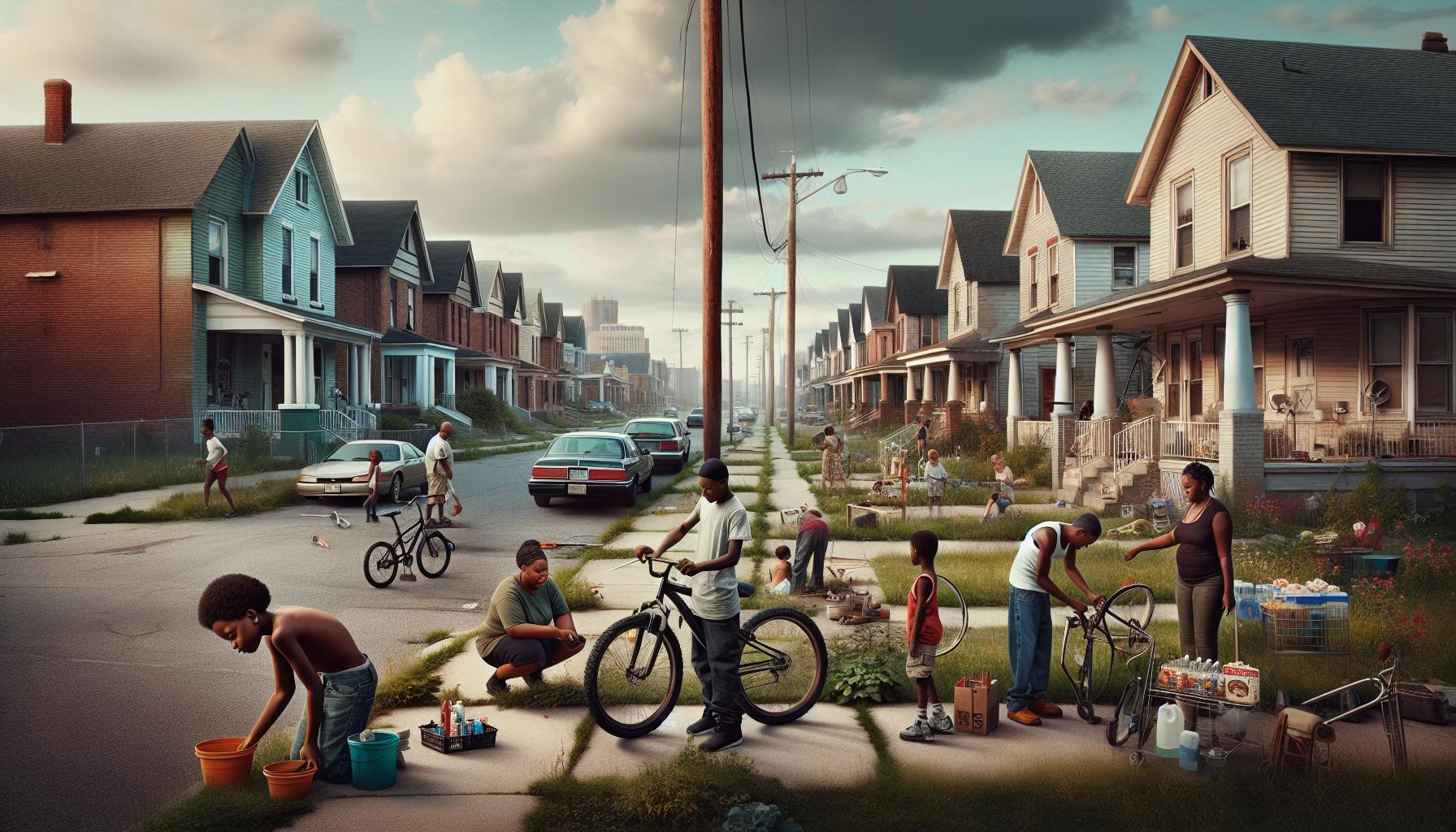
The Realities of Daily Life in Detroit
Many residents describe daily life in Detroit as a blend of resilience and opportunity. This city, often steeped in narratives of decline, has a thriving community spirit that uplifts those who call it home. Whether it’s connecting with neighbors at local events or partaking in revitalization efforts, the sense of belonging is a powerful aspect of life here. Strong communal ties often help individuals navigate challenges, turning daily interactions into meaningful engagements.
Housing and Community Feel
Detroit is known for its diverse housing options that reflect the city’s rich history and cultural tapestry. Many neighborhoods, such as Corktown, Midtown, and Greektown, offer distinct lifestyles. For example, Corktown showcases a historical charm with a mix of old and new, attracting a younger, creative crowd. Meanwhile, residents in established neighborhoods may enjoy a quieter atmosphere with close-knit communities. This diversity allows newcomers to find a place that suits their needs-whether they prefer a bustling urban vibe or a family-friendly environment.
Transportation Methods
While public transportation options have improved with initiatives like the QLine streetcar, many residents still find that having a car is essential for convenience. Commuters often highlight the importance of planning their routes, as public transit might not reach certain neighborhoods effectively. However, the evolving landscape of car-sharing services and bike-friendly routes is making it easier for those who prefer sustainable transportation.
The community’s commitment to engagement fosters an atmosphere of support and innovation. Residents regularly share resources online, from local job opportunities to neighborhood safety alerts, demonstrating a collective effort to improve their environment. Making connections through social media platforms or community boards amplifies this spirit, allowing residents to participate in initiatives that promote safety, education, and cultural vibrancy.
As Detroit continuously evolves, the realities of daily life reflect a dynamic city where residents embrace challenges while working towards sustainability and greater opportunities. Despite any lingering issues, the sense of hope and collective effort creates an environment ripe for growth and belonging.
Cost of Living: What You Need to Know
Living in Detroit reveals a landscape of affordability that contrasts sharply with many major U.S. cities. The cost of living here is often highlighted by residents as one of the city’s most attractive features. For instance, the price of housing ranges significantly, allowing for a variety of choices that match different budgets. According to current estimates, the median home price in Detroit hovers around $60,000, a stark contrast to cities like New York or San Francisco, where median prices can exceed $500,000. Renters also find relief, with average monthly rents in neighborhoods like Corktown and Midtown ranging from $800 to $1,500, making it feasible for young professionals, families, and students.
What to Consider
When evaluating the cost of living, it’s crucial to consider not just housing but also essential expenses like utilities, transportation, and food. Here’s a breakdown of average costs that residents frequently mention:
- Utilities: Expect to pay about $150 monthly for basic utilities (electricity, heating, cooling, water, and garbage).
- Transportation: While many residents opt for cars, public transport is available, with bus fares around $2 per ride. Monthly passes can save money for frequent commuters.
- Groceries: Average grocery costs can range from $300 to $500 per month for a single person, depending on dietary choices.
For those looking into assistance programs, Detroit offers various options that can alleviate costs. Programs like Section 8 provide rental assistance to eligible low-income individuals, ensuring they can access housing without sacrificing basic needs. Participation in these programs often requires an application that checks eligibility based on income levels and family size.
Finding Your Balance
Navigating the financial landscape effectively means balancing income against these expenses. With the city’s evolving job market, many residents are finding promising opportunities in sectors like technology, healthcare, and manufacturing-often enhanced by local initiatives aimed at attracting businesses. Additionally, the presence of community resources, including food banks and job training programs, supports those in need, helping to create a more equitable environment.
As Detroit continues to develop, the cost of living remains a critical focal point for current and prospective residents. By understanding the nuances of daily expenses and available assistance, individuals can make informed decisions and thrive in this resilient city.
Neighborhoods to Explore: Best Areas to Live
Detroit’s neighborhoods are as diverse and vibrant as its residents, each offering unique experiences and opportunities that cater to various lifestyles and preferences. Living in these areas often comes with distinctive community vibes and amenities that enrich the daily lives of their inhabitants. For anyone considering a move or looking to gain insight into which neighborhood might best suit their needs, here’s a closer look at some of the top areas to explore.
Corktown is one of Detroit’s oldest neighborhoods, known for its charming architecture and a growing arts scene. Residents appreciate the blend of historic and modern, with cafes, galleries, and local breweries sprouting up alongside iconic, older buildings. The area also boasts proximity to the city center, making it a popular choice among young professionals seeking a balance of work and leisure.
Midtown is another standout location, often celebrated for its cultural institutions and lively atmosphere. The Detroit Institute of Arts and the Museum of Contemporary Art are just a couple of the cultural highlights here. Midtown offers a rich tapestry of dining options, parks, and community events that cater to families and individuals alike. With many amenities within walking distance, it encourages a lifestyle that embraces both activity and relaxation.
For those seeking a quieter setting, the neighborhoods of West Village and Indian Village might be ideal. These areas are known for their beautiful tree-lined streets and historic homes, providing a peaceful retreat while still being accessible to urban amenities. Residents often underscore the strong sense of community here, with neighborhood gatherings and local shops fostering a close-knit environment.
Lastly, if you’re interested in a neighborhood that’s rapidly transforming, check out the North End. Historically overlooked, this area is experiencing revitalization efforts that are turning it into a promising hub for new businesses and community initiatives. Local art installations and food programs are just beginning to attract attention, making it an exciting place for those who want to be part of a positive change within the city.
Exploring these neighborhoods can provide valuable insight into what life in Detroit can offer. Whether you’re drawn to cultural vibrancy, community focus, or an evolving landscape, understanding the unique characteristics of each area can help you make an informed decision about where to settle down.
Education Opportunities: Schools and Programs
Detroit’s educational landscape is as diverse as its neighborhoods, offering a range of opportunities for families and individuals eager to further their education. The city is home to several public, charter, and private schools that cater to different educational needs, along with community colleges and universities that provide pathways to higher education.
Many residents praise the strong emphasis on community involvement in local schools, particularly through initiatives that involve parents and neighborhood organizations. For instance, programs such as the Detroit Public Schools Community District (DPSCD) focus on collaboration with local communities to improve educational outcomes. Schools often host events that welcome families, providing transparent communication about academic standards and offering extracurricular activities that enhance student engagement.
In terms of higher education, Detroit features institutions like Wayne State University, the University of Detroit Mercy, and Marygrove College, each contributing to a vibrant academic culture. These universities offer programs that not only prepare students for the job market but also provide community education initiatives that support lifelong learning. Many Detroit residents take advantage of scholarship programs and financial aid options, which help mitigate costs and ensure that higher education is accessible. Community colleges such as Wayne County Community College District also offer flexible programs and vocational training designed to meet the needs of the local job market.
Additionally, various nonprofits and educational organizations, such as the Detroit Regional Chamber and Teach for America, work to enhance educational opportunities by providing resources and mentoring programs aimed at students in high-need areas. This focus on education is reflective of the city’s commitment to fostering a knowledgeable workforce and addressing prevalent challenges faced by its residents.
In summary, the educational opportunities in Detroit are multifaceted, with a community-oriented approach that encourages participation and support from residents. With ample options available for primary, secondary, and post-secondary education, Detroit continues to work towards empowering its youth and providing pathways for success.
Job Market Insights: Employment Trends
In recent years, the job market in Detroit has shown promising signs of recovery and growth, reflecting the city’s ongoing transformation. Once heavily reliant on the automobile industry, Detroit is now diversifying its employment landscape, with sectors such as technology, healthcare, and creative industries emerging as vital contributors to economic revitalization. According to local analyses, Detroit’s unemployment rate is consistently lower than the national average, showcasing an optimistic trajectory that many residents actively discuss on platforms like Reddit.
Many locals emphasize the significance of the tech sector’s growth, often citing new startups and established companies like Google and Amazon expanding their presence in the area. The city has developed a reputation as an innovation hub, attracting talent and investment. Networking events, hackathons, and tech incubators have flourished, providing opportunities for residents to connect, collaborate, and build their skills. The Michigan Economic Development Corporation further supports this growth through various grant and funding programs aimed at encouraging entrepreneurship and innovation.
Key Industries Driving Employment
- Technology: The rise of tech startups and increased investment from major corporations have created a plethora of job opportunities in software development, data analysis, and digital marketing.
- Healthcare: With institutions such as Henry Ford Health System and Detroit Medical Center, the healthcare sector remains a significant employment source, especially for roles in nursing, administration, and medical technology.
- Manufacturing: While traditional auto manufacturing still plays a role, there’s a notable shift towards advanced manufacturing and automation, necessitating a workforce skilled in new technologies.
For those seeking employment, online platforms like Indeed, LinkedIn, and local job boards are essential resources. Prospective job seekers should regularly update their resumes and leverage networking events to connect with potential employers. Additionally, many residents recommend considering vocational training or certification programs available through community colleges, which can enhance qualifications and improve job prospects.
As the job market continues to evolve, it’s also essential for residents to maintain awareness of new trends and opportunities. Engaging with local workforce development programs can provide access to valuable resources, guidance, and job placement services. With community support and an eye on the ever-changing job landscape, many Detroiters express a sense of hope and determination about their professional futures.
Transportation: Getting Around Detroit
Navigating Detroit can be a unique experience filled with both challenges and opportunities. Residents often emphasize that understanding the transportation landscape is crucial for efficient commuting and enjoying the city. Whether you’re a lifelong local or a newcomer, establishing a solid grasp of your options can greatly enhance your daily life.
One of the most talked-about aspects of transportation in Detroit is the public transit system. The Detroit Department of Transportation (DDOT) provides bus services that cover a significant portion of the city. However, many residents express that while the coverage is reasonable, wait times can be lengthy, and routes sometimes feel outdated. For comprehensive city travels, the SMART Bus service extends beyond the city’s borders, connecting suburbs with the urban core, which can be especially useful for those who commute for work.
Ride-Sharing and Alternative Options
Ride-sharing services like Uber and Lyft have become integral to the local transportation mix. Many residents report that these services are convenient alternatives when public transport isn’t viable, particularly late at night or in areas with limited bus access. In addition to ride-sharing, the growing presence of e-scooters and bike-sharing programs provides flexible solutions for short-distance travel. These options not only help avoid the hassle of parking but also contribute to reducing traffic congestion.
Car Ownership Considerations
For those who prefer to drive, having a car in Detroit offers freedom and accessibility. However, it comes with its own set of considerations. Residents often note that while parking is generally available, it can be costly in popular areas, and navigating through certain neighborhoods might present challenges due to construction or road conditions. Therefore, it’s advisable to stay updated on local traffic patterns and roadwork through apps or community boards.
Maintaining a positive attitude toward commuting can help residents thrive, especially in a city that is continually evolving. Engaging with upcoming transportation projects or joining local forums can keep you informed and provide a sense of community. Many Detroiters find that sharing experiences and tips about getting around not only empowers them but also fosters connections among neighbors, creating a more cohesive and supportive environment for everyone.
Community Engagement: Connecting with Locals
Detroit is a city rich in diversity and community spirit, and the opportunities for residents to connect with one another are abundant. Engaging with locals can lead to a deeper understanding of the city’s culture, history, and ongoing transformation. From community events to neighborhood organizations, several avenues foster connections among Detroiters.
One popular method of community engagement is through local events. Festivals, farmers’ markets, and art fairs regularly occur throughout the year, creating spaces where people can mingle and share their experiences. These gatherings not only celebrate Detroit’s vibrant culture but also provide ideal opportunities for newcomers to meet neighbors and forge friendships. For those who prefer a more structured way to get involved, local community centers and nonprofits frequently host volunteer opportunities that cater to various interests, from environmental initiatives to educational programs. Volunteering is a powerful way to meet like-minded individuals while contributing positively to the local landscape.
Social media platforms, especially local Reddit communities, have become essential tools for fostering local engagement. The Detroit subreddit serves as a digital town square, where residents exchange information, recommend local businesses, or share experiences about life in the city. Participating in online discussions or attending meetups organized through these forums can help individuals feel more connected and invested in their neighborhoods.
Furthermore, joining neighborhood associations and participating in local governance can help residents voice their concerns and contribute to community decision-making. Many areas have resident councils that meet regularly to discuss development projects, safety initiatives, and community improvement ideas. These gatherings empower residents to share their insights and work collaboratively towards enhancing their living environments.
Ultimately, connecting with locals in Detroit can significantly benefit both newcomers and long-term residents. By taking advantage of community events, engaging in local conversations, and partaking in governance, individuals can build lasting relationships and contribute to the city’s resilience and growth.
Safety Concerns: Crime Rates and Responses
When it comes to understanding life in Detroit, safety concerns often surface as a significant topic among residents. The city has its share of challenges regarding crime rates, but many Detroiters also highlight the positive changes and community efforts aimed at addressing these issues. In recent years, crime statistics show a decline in violent crime, which encourages a sense of hope among residents. Engaging in neighborhood watch programs and community policing initiatives creates partnerships that empower locals to take an active role in safeguarding their neighborhoods.
Many residents share experiences of heightened visibility and responsiveness from local law enforcement. Programs like Detroit 311 provide a direct line for citizens to report non-emergency issues and foster quicker responses to community concerns. Moreover, the city has implemented various outreach initiatives aimed at building trust and cooperation between police and community members. Such initiatives not only enhance safety but also promote a sense of belonging within the community.
To enhance personal safety, residents often recommend taking advantage of public resources such as crime mapping tools available through city websites. These resources allow citizens to stay informed about crime trends and make educated decisions about which neighborhoods to explore or consider for living. Practical steps for individuals include participating in community safety meetings and utilizing neighborhood apps, where locals share information and look out for each other.
Understanding the nuances of safety in Detroit requires an open-minded approach, recognizing both the challenges and the active efforts of citizens and law enforcement. By focusing on community engagement and utilizing available resources, residents are finding ways to create safer environments and foster resilience.
Cultural Vibe: Arts, Music, and Events
Detroit pulses with an undeniable energy that reflects its rich arts, music, and events scene. The city’s cultural vibrancy is a tapestry woven from its diverse history and community spirit, making it a unique place for residents and visitors alike. From world-renowned music genres like Motown to contemporary art installations that reflect social issues, Detroit is a hub of creativity that continuously evolves while honoring its roots.
Art enthusiasts will be captivated by the Detroit Institute of Arts, which houses an extensive collection of works, including pieces from Diego Rivera and other American artists. Outdoor public art spaces, like the Detroit Riverwalk and the murals scattered across neighborhoods, bring creativity into everyday life, inviting people to engage and reflect. Additionally, the city’s burgeoning art scene is on display during events such as the Detroit Design Festival, which showcases local talent and promotes innovative design thinking.
Music is another heartbeat of Detroit’s cultural vibe. You’ll find live performances in venues ranging from intimate bars to grand theaters. The Detroit Symphony Orchestra and the Fox Theatre regularly feature outstanding performances that cater to various musical tastes. The city’s annual events, like the Detroit Jazz Festival and Mo Pop Festival, attract artists from around the country, creating a melting pot of musical genres that resonates with residents. Local favorites such as the annual Grand Prix also celebrate the city’s racing history, blending motorsports with spectacular entertainment.
The vibrancy of Detroit extends to its community events, which play a significant role in bringing residents together. From neighborhood festivals to farmers’ markets, these gatherings not only showcase local talent but also foster community spirit and collaboration. Engaging in these cultural offerings not only enriches personal experiences but also strengthens connections among residents, creating a supportive environment that underpins the city’s resilience.
Don’t miss out on exploring these cultural gems. Whether you’re attending a local art show or enjoying live music at a summer festival, you’ll find that Detroit offers a welcoming atmosphere that thrives on creativity, unity, and a shared love for the arts.
Housing Options: Renting vs. Buying in Detroit
In the heart of the Motor City, housing options offer a diverse range, perfect for individuals considering their living situation. Residents often share experiences about the affordability of renting compared to the investment of buying in Detroit. Depending on your lifestyle and financial goals, choosing between renting and buying can significantly shape your experience in the city.
Renting in Detroit remains an attractive option for many. Monthly rents can range widely depending on the neighborhood, with averages around $800 to $1,500 per month for a one-bedroom apartment in desirable areas. Many residents appreciate the flexibility renting provides, especially for those new to the city or who prefer to avoid maintenance responsibilities associated with homeownership. For those on lower incomes, resources like Section 8, a federal program that offers rental assistance, are available to help qualified individuals afford housing. The waitlist for this program can be long, so it’s essential to apply early and stay updated on application openings.
On the other hand, buying a home in Detroit presents an exciting opportunity for long-term investment, especially given the rising property values in some neighborhoods. The median home price in the city is about $60,000, significantly lower than the national average, making it accessible for new homeowners. Areas like Midtown and Corktown have seen revitalization and investment, providing potential buyers with a solid return on investment. However, prospective buyers should be mindful of the additional costs involved, such as property taxes, maintenance, and home insurance.
For those weighing both paths, here’s a simple comparison:
| Factor | Renting | Buying |
|---|---|---|
| Monthly Costs | Typically lower, around $800 to $1,500 | Higher upfront costs, mortgages, around $400 to $1,200+ monthly |
| Flexibility | High, easy to relocate | Low, less mobility due to investment |
| Maintenance | Landlord’s responsibility | Homeowner’s responsibility |
| Equity | No equity built | Equity increases over time |
| Long-term Investment | Not applicable | Potential for appreciation |
Deciding whether to rent or buy will ultimately depend on your personal circumstances, financial readiness, and future plans. Engaging with local community groups, such as those on platforms like Reddit, can provide valuable insights and support as you navigate this decision. By participating in discussions, you may find answers to your questions, advice from long-time residents, and even leads on local properties while connecting with the spirit of community that defines Detroit.
Hidden Gems: Local Spots You Can’t Miss
Detroit is a city rich in culture and hidden treasures just waiting to be discovered. Whether you’re a lifelong resident or new to the area, the charm of local spots often lies in their ability to surprise and delight. From unique eateries to vibrant art spaces, here are some must-visit hidden gems that reflect the spirit of the Motor City.
One standout location is Belle Isle Park, an island park in the Detroit River that features beautiful landscapes, a zoo, and stunning views of the city skyline. It’s a perfect spot for outdoor enthusiasts, offering activities like hiking, biking, and picnicking. The park’s Belle Isle Aquarium, one of the oldest aquariums in the United States, is a delightful stop where visitors can learn about diverse aquatic life.
Another gem is the Detroit Institute of Arts (DIA), renowned for its impressive collection, including Diego Rivera’s murals and a stunning array of American and European art. Admission is often free for Detroit residents, making it an affordable outing. Nearby, the Corktown neighborhood boasts eclectic restaurants and bars like the historic Mike’s Pizza Bar, where locals gather to enjoy delicious slices in a relaxed atmosphere.
For those seeking unique shopping experiences, the Detroit Historical Museum not only offers insights into the city’s past but also has a charming gift shop that features locally made goods. Additionally, Sidney’s is a small but captivating vintage store where you can find everything from retro clothing to art prints that capture the essence of Detroit.
Don’t overlook Greektown, home to a lively mix of Greek restaurants, shops, and the impressive Greektown Casino. The area comes alive at night with music and festivities, showcasing Detroit’s rich cultural tapestry. For a more local experience, visit The Motown Museum to delve into the city’s musical heritage and the origins of iconic artists like Marvin Gaye and The Supremes.
Each corner of Detroit reveals stories and experiences that reflect the resilience and creativity of its residents. Embrace the journey of discovering these hidden gems, and let the local community guides you along the way. Whether you’re looking for a relaxing day in nature, an inspiring art experience, or a taste of Detroit’s vibrant culture, there’s no shortage of spots to explore that will leave a lasting impression.
Q&A
Q: What do Detroit residents say about the city’s public transportation system?
A: Residents generally find Detroit’s public transportation to be limited compared to other major cities. The Detroit Department of Transportation (DDOT) and SMART provide bus services, but many locals recommend having a personal vehicle for better accessibility. Consider researching bus routes and schedules on local transit websites for navigating the city effectively.
Q: How is the job market in Detroit for new graduates?
A: New graduates in Detroit often find opportunities in sectors like healthcare, technology, and manufacturing. Networking through local universities or professional groups can significantly improve job prospects. Utilize platforms like LinkedIn and local job boards to connect with potential employers and gain insights into industry trends.
Q: What are the pros and cons of living in Detroit according to Reddit users?
A: Reddit users frequently highlight the affordable cost of living and vibrant arts scene as pros of living in Detroit. However, concerns about crime rates and urban blight are significant cons. Engaging in local community forums can provide diverse perspectives and real-time updates about life in the city.
Q: What neighborhoods in Detroit are recommended for families?
A: Families often prefer neighborhoods like Royal Oak, Ferndale, and Grosse Pointe, known for quality schools and safe environments. Check community resources or Reddit threads for firsthand experiences and recommendations from local families regarding schools and amenities.
Q: How do Detroit residents view the city’s cultural offerings?
A: Many Detroit residents appreciate the city’s cultural diversity, especially in music, art, and food. Events like the Detroit Jazz Festival and local art festivals receive strong praise. Engaging with local cultural centers or social media groups can keep you informed about upcoming events and hot spots.
Q: What should newcomers know about Detroit’s weather?
A: Newcomers should be prepared for harsh winters with heavy snowfall and cold temperatures, while the summers are typically warm and humid. Investing in appropriate clothing for winter and exploring local activities can help make any season enjoyable.
Q: Are there community engagement opportunities for new residents in Detroit?
A: Yes, many newcomers can engage through volunteer opportunities, local meetups, and community events. Platforms like Meetup.com or local Facebook groups offer ways to connect with residents and participate in community improvement initiatives.
Q: What’s the advice from Detroit residents on housing options?
A: Residents often recommend weighing the pros and cons of renting versus buying. Renting usually offers more flexibility, while buying can be a better long-term investment given the city’s lower property prices. Consider exploring neighborhoods thoroughly before making a decision. For detailed guidance, refer to the housing section of the main article.
The Way Forward
As we wrap up our exploration of what living in Detroit really means through the eyes of its residents, it’s clear that the city offers a unique blend of challenges and opportunities. Whether you’re considering relocating or simply curious about the local experience, the insights gathered from Reddit discussions can help you navigate your journey. If you’re interested in more detailed guides on housing options like Section 8 programs or neighborhood comparisons, check out our articles on affordable housing resources and the best Detroit neighborhoods for first-time buyers.
Don’t hesitate-share your thoughts in the comments below or let us know if you have unanswered questions. Subscribe to our newsletter for the latest tips and insights, and explore our site further for expert advice on living in Detroit and community resources to support your move. Remember, every step you take toward informed decision-making can make a significant difference in your Detroit experience. Let’s keep the conversation going!